How To Stay Cool Without AC: Expert Tips For 2025
Beat the heat and slash your energy bills with these practical, no-AC strategies for a cooler home this summer.
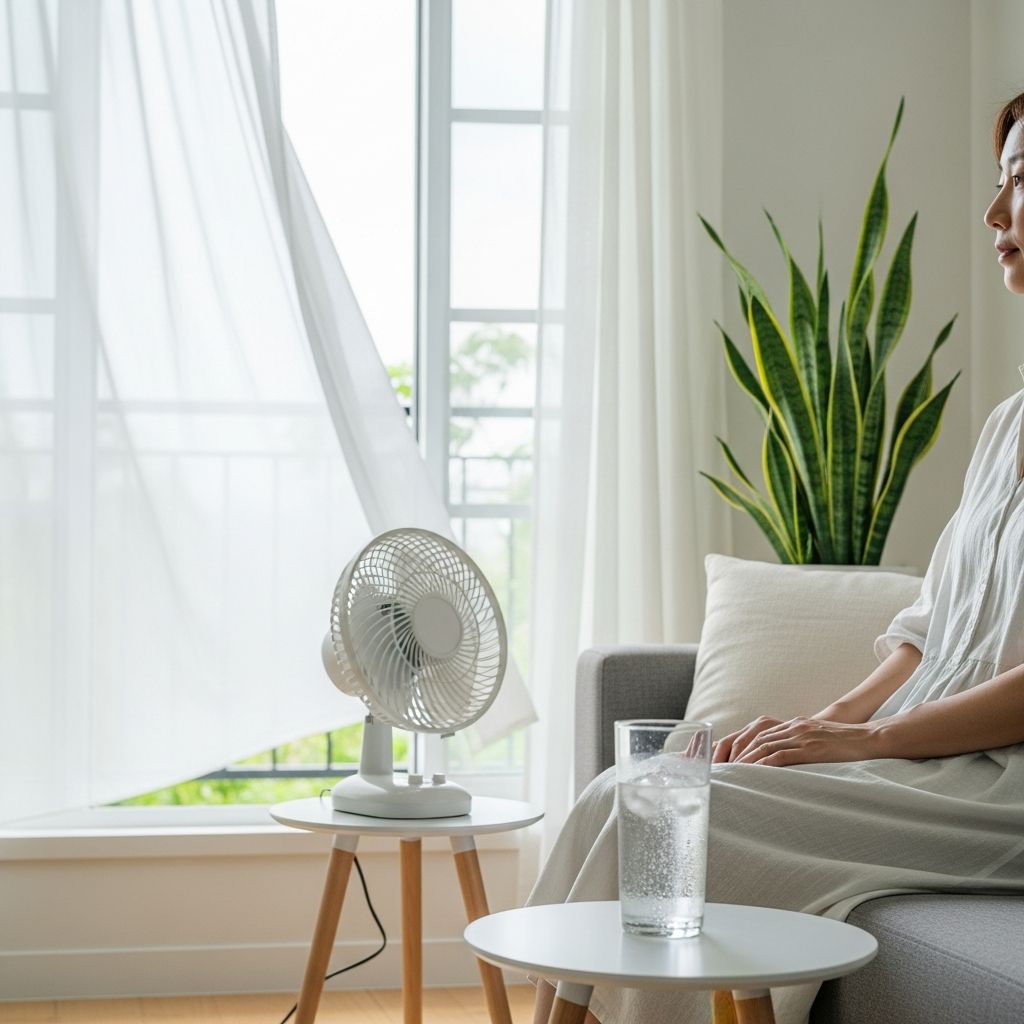
High summer temperatures can make life uncomfortable, especially without air conditioning. But you don’t need to crank up the AC—and rack up energy bills—to stay cool. This guide shares practical, low-cost strategies to beat the heat at home, drawing from energy-saving experts and real-world tested methods. These tips focus on passive cooling, smart habits, and simple hacks to maintain comfort while cutting costs.
Why Skip the AC When Possible?
Air conditioning accounts for a significant portion of summer energy use, often 20-50% of household electricity bills. By using natural cooling techniques, you can reduce reliance on AC, lower utility costs, and even extend the life of your unit if you have one. Methods like night ventilation and shading can drop indoor temperatures by 5-10 degrees without electricity. These approaches are especially useful in regions with cooler nights or during short heat waves.
Master Nighttime Ventilation
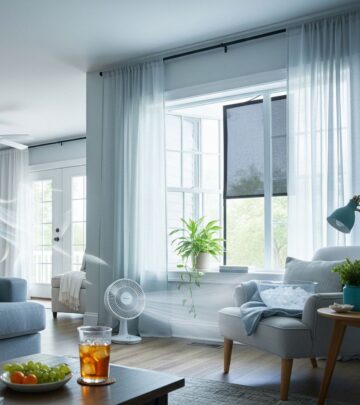
One of the simplest ways to cool your home is by leveraging cooler evening air. Open windows at night to create cross-breezes that flush out hot air, a technique known as night-flush ventilation.
- Open all windows and doors in the evening when outdoor temperatures drop below indoor levels.
- Use box fans in windows: Place one facing outward in one window to exhaust hot air, and another facing inward in an opposite window to pull in cool air. Close off other rooms to create a vacuum effect for maximum airflow.
- Start this before bedtime and continue overnight for the best results. In tests during 120-degree heat waves, this method significantly lowered indoor temps without power.
- Close everything up by morning (around 8-10 AM) before the sun heats things up again.
This passive strategy can make your home feel refreshed by morning, reducing daytime heat buildup.
Block Out the Sun with Window Coverings
Windows are major heat gain sources, letting in up to 30% of a home’s solar heat. Close blinds, curtains, or shades during peak sun hours to reflect heat away.
- Opt for blackout curtains, reflective blinds, or thermal shades on south- and west-facing windows.
- Install exterior shades like awnings or pergolas over west windows to block rays before they enter.
- For renters, use affordable reflective window film or aluminum foil as a temporary barrier.
These steps can keep interiors up to 10 degrees cooler, per energy efficiency guides.
Optimize Your Fans for Maximum Cooling
Fans don’t lower air temperature but create wind chill on skin and circulate air effectively. Use them strategically to enhance comfort.
- Set ceiling fans to counterclockwise (summer) mode to push air down.
- Position box fans for cross-ventilation: Exhaust hot air out one side, draw cool air in the other.
- DIY swamp cooler: Place a pan of ice or frozen water jugs in front of a fan. The blowing air over ice creates cooler breezes.
- Avoid fans in unoccupied rooms—they waste energy.
In extreme heat, frozen wet washcloths or towels in front of fans provide quick relief.
Minimize Indoor Heat Sources
Appliances and cooking generate substantial heat. Shift these activities to cooler times or outdoors.
- Cook on the grill or use a smoker instead of oven/stovetop. Plan salads, no-cook meals, or slow-cooker recipes on low.
- Run dishwashers, washers, and dryers at night. Air-dry laundry outside to eliminate dryer heat.
- Unplug electronics and lights when not in use—standby power adds warmth.
Outdoor kitchens or shaded cooking areas keep heat outside entirely.
Stay Cool Personally with Simple Hacks
Focus on body cooling when home strategies aren’t enough. These low-effort tricks drop core temperature fast.
- Cold showers or baths: A quick cool rinse evaporates sweat and chills you for hours.
- Wet cloths or gel pads: Apply damp towels to pulse points (wrists, neck, forehead, elbows). Freeze pillowcases or sheets for bedtime chill.
- Dress light: Wear loose cotton or linen clothes; go barefoot or use cooling socks.
- Hydrate smartly: Drink room-temp water; press a cold bottle to neck or elbows.
These methods are vital for sleep and daily comfort, especially for vulnerable groups like kids or elderly.
Long-Term Cooling Investments
For ongoing savings, consider permanent upgrades.
| Method | Benefits | Cost Range |
|---|---|---|
| Shade trees or vines | Blocks sun, cools via evapotranspiration | $20-200 per tree |
| Insulation & air sealing | Prevents heat infiltration | $500-2000 |
| Dehumidifier | Reduces muggy feel | $150-300 |
| Window films | Rejects solar heat | $30-100 |
Planting trees west of your home provides natural shade long-term. Efficiency upgrades like sealing drafts amplify all other tips.
Sleep Cool Without AC
Hot nights disrupt rest. Combine room and body cooling for better sleep.
- Use thin cotton/linen sheets chilled in the freezer beforehand.
- Position fans for airflow; elevate them for better circulation.
- Sleep low: Heat rises, so basements or ground floors stay cooler.
- Block daytime heat buildup to ease into cooler evenings.
A fan blowing over ice near bed mimics AC white noise and chill.
Frequently Asked Questions (FAQs)
Q: How much can these tips lower my indoor temperature?
A: Combined methods like ventilation and shading can reduce temps by 5-15°F, depending on climate and home setup.
Q: Are fans better than AC for health?
A: Fans aid sweat evaporation, which cools the body naturally. They’re safer for short-term use but not for extreme heat alerts.
Q: What’s the best fan setup for one window?
A: Exhaust fan outward; open another distant window or door for intake. Seal other areas for efficiency.
Q: Can I use these in humid climates?
A: Yes, but add dehumidifiers. Focus on ventilation during dry nights and personal cooling.
Q: How do I cool a room fast?
A: Ice-fan combo, wet cloths on pulse points, and cold shower work quickest.
Implement these strategies during heat waves or daily to stay comfortable affordably. Track your energy bills to see savings—many report 20-30% reductions.
References
- Summer Guide to Energy Savings & Comfort — Efficiency Vermont. 2023. https://www.efficiencyvermont.com/blog/how-to/summer-guide-to-energy-savings-comfort
- How we survived 120 degrees WITHOUT air-conditioning — Melissa K. Norris (YouTube). 2021-07-14. https://www.youtube.com/watch?v=3WWDSK6nHhI
- How to Stay Cool Without AC — Energy Texas. 2024. https://www.energytexas.com/blog/how-to-stay-cool-without-using-your-ac
- Tips for sleeping in hot weather without AC — HealthPartners. 2023. https://www.healthpartners.com/blog/tips-for-sleeping-without-air-conditioning/
- How To Cool a Room With No Air Conditioning — The Happy Sleeper. 2023. https://www.thehappysleeper.com/blog/how-to-cool-a-room-with-no-ac
Similar Articles








Read full bio of medha deb