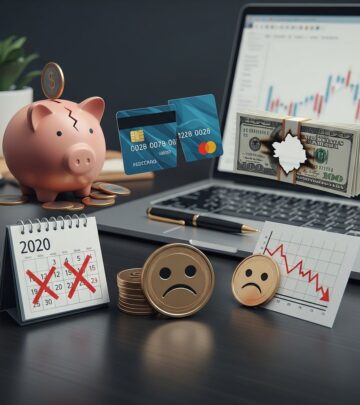
How to Stay Calm During a Market Fluctuation
Master strategies to keep your cool and protect your investments when market volatility strikes, avoiding costly panic decisions.

Market fluctuations can trigger intense fear, tempting investors to sell at the worst possible moment. Staying calm preserves wealth by avoiding impulsive decisions and adhering to a disciplined, long-term strategy.
Recent economic headlines often amplify anxiety with warnings of recessions, trade wars, or corrections, pushing even seasoned investors to consider hiding money under the mattress. However, history shows that markets recover from downturns, rewarding those who remain invested. Pulling out during a dip locks in losses, while patient investors capture rebounds. This article outlines actionable steps to maintain composure, drawn from psychological insights and proven financial practices.
Resist the Urge to Panic Sell
The instinct to “cut losses” during downturns is common but destructive. Selling low guarantees permanent losses, missing the inevitable recovery. Instead, recognize that temporary paper losses are part of investing’s natural cycle. Long-term data confirms markets trend upward despite periodic volatility.
Emotional reactions stem from loss aversion, where losses feel twice as painful as equivalent gains. To counter this, remind yourself that markets have survived wars, pandemics, and recessions, consistently rebounding over time. Investors who held through the 2000 dot-com bust and 2008 financial crisis saw full recoveries and growth.
- Historical Perspective: S&P 500 has delivered average annual returns of about 10% since 1926, including dividends, despite numerous crashes.
- Avoid Timing Traps: Market timers underperform buy-and-hold strategies by missing key recovery days.
Ignore the Daily Noise: Limit Portfolio Checks
Obsessively monitoring investments fuels action bias, the psychological urge to act despite evidence showing inaction is often wiser. Constant news consumption and daily peeks amplify fear, leading to buys high and sells low.
Hiding your head in the sand isn’t avoidance—it’s strategic. Schedule reviews quarterly or monthly to rebalance assets without emotional interference. This routine provides necessary data while preventing knee-jerk reactions. For example, set calendar reminders for end-of-quarter checks, focusing on allocation rather than headlines.
| Check Frequency | Pros | Cons |
|---|---|---|
| Daily | Timely awareness | Triggers panic sells |
| Weekly | Moderate updates | Still emotion-driven |
| Quarterly | Long-term focus | Ideal for most |
During high-volatility periods like trade tensions, reduce checks further. Bryn Mawr Trust emphasizes that volatility reflects market digestion of new information, creating opportunities for patient investors.
Trust Historical Market Trends
Past performance isn’t a guarantee, but long-term trends offer powerful reassurance. Markets inevitably recover, with downturns becoming buying opportunities for the prepared. Studying charts from past corrections reveals that recoveries often exceed prior peaks.
Consider major events: Post-1929 crash, the Dow regained highs by 1954; after 1987 Black Monday, it doubled in four years. Recent examples include the COVID-19 drop in 2020, followed by a rapid surge. These patterns underscore that enduring volatility leads to growth.
- Markets rise ~70% of years historically.
- Bear markets average 14 months; bull markets last years.
- Staying invested beats cash over decades.
Contextualize current dips against this backdrop. Scary headlines fade, but compounding returns endure for those who stay the course.
Accept Volatility as Normal
Many investors unrealistically expect endless uptrends, making any dip feel catastrophic. Volatility is inherent, driven by economic cycles, geopolitics, and sentiment. Expecting several downturns over a career normalizes them, reducing shock.
Trade tensions and tariffs, for instance, create ripples but rarely derail long-term growth. Diversified portfolios weather these storms better, as asset classes respond differently.
Create a Volatility Plan in Advance
Pre-committing to a downturn strategy overrides fear. A volatility plan outlines responses before panic sets in, leveraging rationality over emotion.
Key elements:
- Check Schedule: Limit to scheduled intervals.
- Rebalancing Rules: Adjust allocations if deviated by 5-10%.
- Buying Strategy: Invest fixed amounts during dips (dollar-cost averaging).
- Emergency Buffer: Maintain 6-12 months expenses in cash.
Proactive plans turn volatility into advantage. Decide now to buy more shares when prices fall, rather than flee.
Engage with a Financial Advisor
Professional guidance contextualizes events, aligning actions with goals. Advisors reassess risk tolerance, diversify, and spot opportunities amid chaos. Their experience navigating past volatility provides calm perspective.
Regular check-ins prevent isolation-fueled mistakes. Discuss tariffs’ portfolio impact or adjust for life changes without emotional overhauls.
Prioritize Diversification and Risk Management
A balanced portfolio mitigates swings. Spread across stocks, bonds, international assets, and alternatives. Revisit allocation calmly—avoid drastic shifts mid-downturn.
Maintain emergency funds and avoid leverage. These safeguards enable riding out storms without forced sales.
Stay Committed to Long-Term Goals
Investing is a marathon. Short-term noise shouldn’t derail goals like retirement or education funding. If objectives haven’t changed, neither should your strategy.
Panic changes lock in underperformance. Studies show market timing fails; consistent investing wins.
Practical Daily Habits for Composure
- Meditate or exercise to manage stress.
- Focus on controllable factors: savings rate, contributions.
- Journal investment rationale for reminders.
- Read uplifting long-term success stories.
Frequently Asked Questions (FAQs)
What should I do if markets drop 10%?
Stick to your plan: review allocation quarterly, avoid selling, consider buying if underweight stocks. Volatility is temporary; recoveries are the norm.
Is now a good time to invest new money?
Yes, via dollar-cost averaging—invest fixed amounts regularly to buy more shares cheaply during dips.
How long do market recoveries take?
Average bear market lasts 14 months; full recovery often 2-4 years, but varies. Historical trends favor staying invested.
Should I change my risk tolerance during volatility?
Assess calmly with an advisor, not reactively. True tolerance emerges in stress; adjust gradually.
What’s the biggest mistake investors make?
Selling low out of fear, missing rebounds. Patience and discipline yield superior returns.
By implementing these strategies, investors transform fear into fortitude. Market fluctuations test resolve but reward the steady. Focus on what you control, trust the process, and emerge stronger.
References
- The Importance of Staying Calm During Market Volatility — Bryn Mawr Trust. 2023-05-15. https://www.bmt.com/news-insights-events/the-importance-of-staying-calm-during-market-volatility/
- How to Stay Calm During a Market Fluctuation — Wise Bread. 2019-08-20. https://www.wisebread.com/how-to-stay-calm-during-a-market-fluctuation
- Historical Market Returns Data — S&P Dow Jones Indices. 2025-01-01. https://www.spglobal.com/spdji/en/indices/equity/sp-500/#data
- Investor Behavior and Market Timing Study — Dalbar QAIB Report. 2024-06-01. https://www.dalbar.com/
- Long-Term Capital Market Assumptions — Vanguard Research. 2025-03-15. https://advisors.vanguard.com/insights/article/longtermcapitalmarketsassumptions
Similar Articles








Read full bio of Sneha Tete