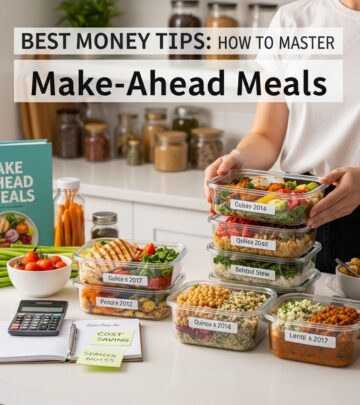
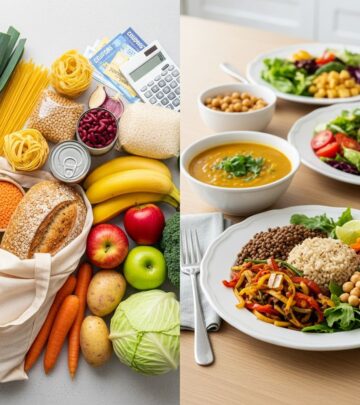
How To Start Meal Planning: 7 Easy Steps For Savings
Master meal planning to slash grocery bills, cut food waste, and reclaim your time with simple, effective strategies for busy households.
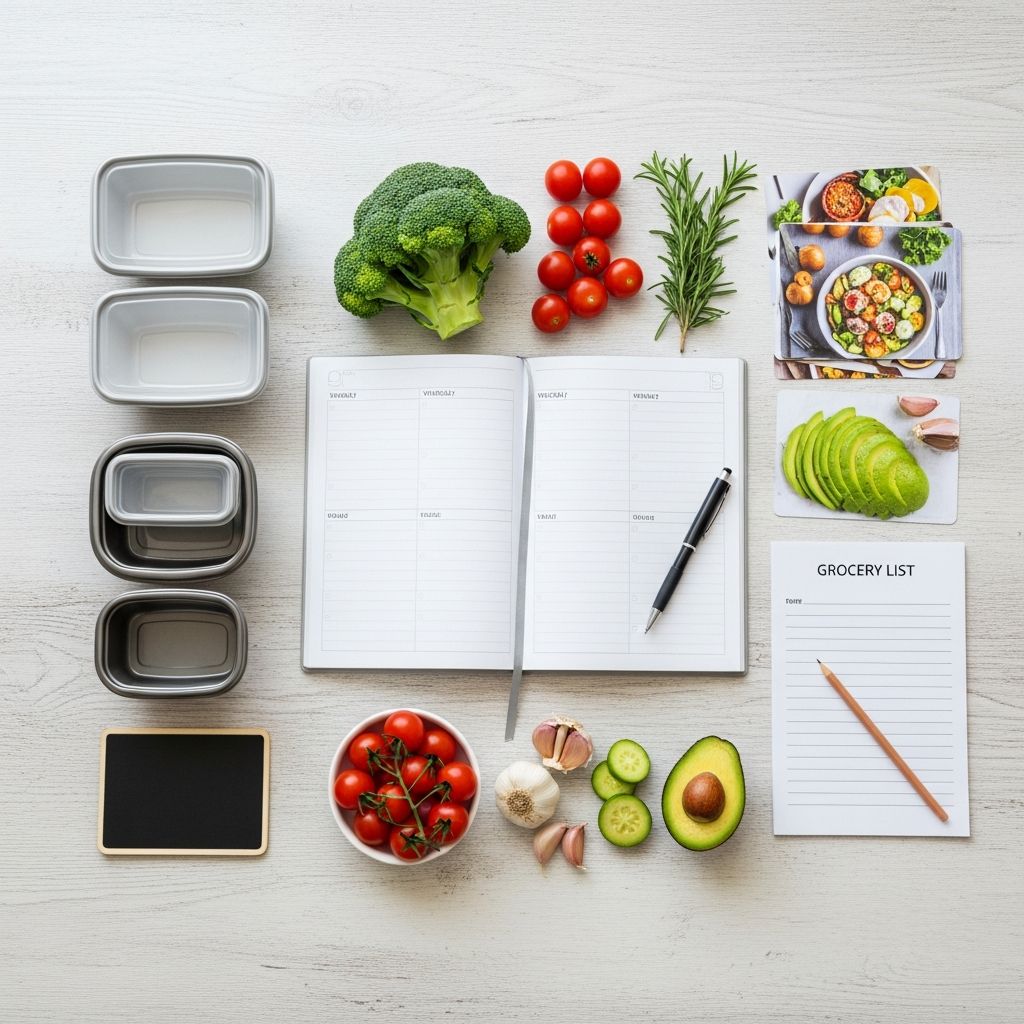
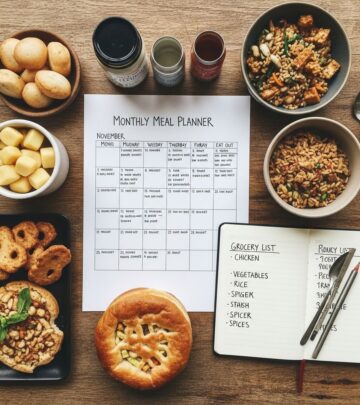
Meal planning is a game-changer for anyone looking to save money, reduce food waste, and simplify daily routines. By mapping out your meals in advance, you create a structured grocery list, avoid impulse buys, and ensure nutritious eating without the stress of last-minute decisions. This approach not only cuts costs but also promotes healthier habits and frees up precious time.
Why Meal Planning Saves Money
One of the biggest wins from meal planning is the direct impact on your wallet. American households spend an average of $3,000 annually on eating out, but planning ahead curbs this by prioritizing home-cooked meals and using leftovers strategically. You’ll buy only what you need, preventing the common pitfall of overspending on groceries that spoil unused.
Meal prepping amplifies savings by controlling portions and focusing on bulk buys of sale items. Purchasing ingredients on sale and cooking in batches minimizes costs from takeout and unplanned trips, often reducing per-serving expenses to as low as $3.92 compared to $12.75 for ready-made meals. The USDA estimates $161 billion in annual food waste, much of which meal planning eliminates by using perishables first and repurposing leftovers.
- Minimize waste: Plan around items already in your pantry or fridge to avoid duplicates.
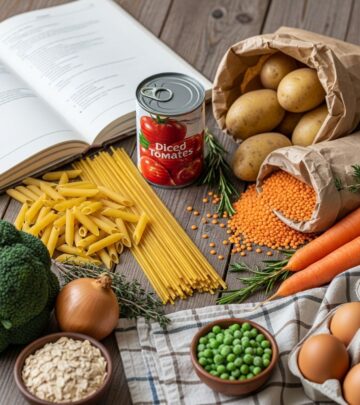
- Bulk buying power: Stock up on deals for staples like grains and proteins, lowering per-unit costs.
- Avoid takeout traps: Pre-planned lunches from dinner leftovers save hundreds monthly.
Strategic budgeting starts with evaluating weekly spending via apps, then tailoring meals to cost-effective ingredients like seasonal produce.
Health Benefits of Meal Planning
Beyond finances, meal planning boosts nutrition by ensuring balanced meals with whole grains, lean proteins, and vegetables. It reduces reliance on processed foods high in sodium and sugars, helping maintain portion control and steady energy levels. Michigan State University Extension notes that planning saves calories while decreasing waste, leading to more nutritious daily intake.
By prepping versatile components like chopped veggies or batch-cooked grains, you tailor diets to specific needs, avoiding unhealthy convenience options. Families benefit too— involving everyone in choices ensures meals get eaten, further cutting waste.
| Benefit | How Meal Planning Helps | Impact |
|---|---|---|
| Nutritional Balance | Include varied food groups | Meets daily nutrient needs |
| Portion Control | Pre-portion meals | Prevents overeating, aids weight management |
| Reduced Processed Foods | Prioritize whole ingredients | Lower sodium/sugar intake |
Time-Saving Strategies with Meal Planning
Meal planning reclaims hours lost to recipe hunting or daily cooking. Batch cooking—preparing large quantities of versatile items like roasted veggies or proteins—cuts kitchen time dramatically. Tools like slow cookers or Instant Pots allow ‘set it and forget it’ meals, freeing you for other tasks.
Dedicate one session weekly to chop veggies, portion snacks, or cook grains. This ensures grab-and-go lunches and dinners, slashing daily prep by half. Planning leftovers intentionally turns one meal into several, optimizing efficiency.
- Batch cooking: Make staples for multiple meals.
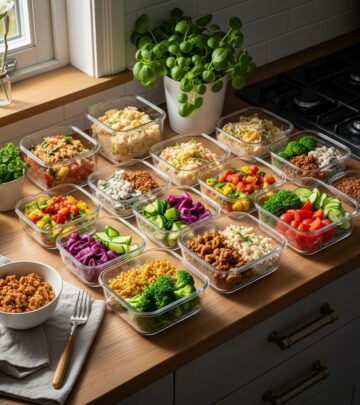
- Prep containers: Store portions to avoid daily cooking.
- Family involvement: Shared prep builds buy-in and speeds process.
How to Create a Meal Plan: Step-by-Step
Starting is simple. Follow these steps to build your first plan:
- Assess inventory: Check fridge, pantry, and freezer for usable items to avoid duplicates.
- Set goals: Decide meals (breakfast, lunch, dinner, snacks) and dietary needs.
- Brainstorm ideas: Choose 5-7 recipes using sales flyers and seasonal produce.
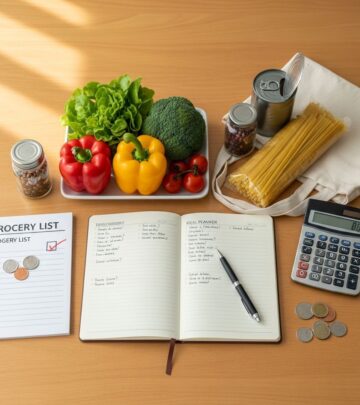
- Build grocery list: Itemize exact needs; stick to it for impulse control.
- Shop smart: Compare stores, use apps for deals, opt for generics.
- Prep and execute: Batch cook, label containers with dates.
- Review and adjust: Track what works for next week.
Align with USDA Food Plans like Thrifty or Low-Cost for budget benchmarks at varying cost levels.
Tools and Apps for Meal Planning
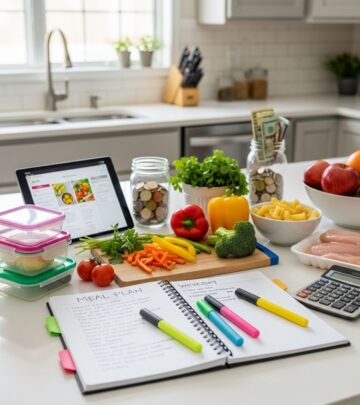
Leverage free or low-cost tools to streamline planning. Apps generate lists from recipes, track sales, and suggest meals based on inventory.
- Budget trackers: Monitor spending and set grocery limits.
- Sale apps: Find local discounts on proteins or produce.
- Recipe services: Affordable plans at $6/month with pre-made lists ($1.38/week savings).
- Containers and gadgets: Quality storage extends freshness; slow cookers save active time.
Stock pantry staples during extra-budget weeks for quick assemblies.
Meal Planning Tips for Beginners
Ease in with these hacks:
- Theme nights: Meatless Monday, Taco Tuesday for variety without overwhelm.
- Seasonal focus: Cheaper, tastier produce in season.
- Freeze extras: Prolong life of batches to avoid waste.
- Flexible swaps: Use sale proteins interchangeably.
- Leftovers remix: Transform night one into lunch or new dish.
Start small—plan just dinners first—then expand. Track waste to refine future lists.
Common Meal Planning Mistakes to Avoid
Steer clear of pitfalls for success:
- Overly ambitious plans: Stick to simple recipes initially.
- Ignoring sales: Always check flyers first.
- No flexibility: Build in swap options for life’s curveballs.
- Forgetting inventory: Leads to waste and extra spending.
- Skipping reviews: Adjust based on what your family eats.
Sample Weekly Meal Plan on a Budget
Here’s a thrifty 7-day plan for a family of four, emphasizing bulk and leftovers (approx. $100/week):
| Day | Breakfast | Lunch | Dinner |
|---|---|---|---|
| Monday | Oatmeal w/ fruit | Leftovers | Chicken stir-fry (bulk cook) |
| Tuesday | Yogurt parfait | Stir-fry leftovers | Bean tacos |
| Wednesday | Smoothie | Taco salads | Roasted veggie pasta |
| Thursday | Eggs & toast | Pasta leftovers | Lentil soup (freeze extras) |
| Friday | Oatmeal | Soup | Fish & rice (sale item) |
| Saturday | Pancakes | Leftovers | Veggie stir-fry |
| Sunday | Yogurt | Freezer meal | Batch salad wraps |
Grocery focus: Chicken ($10 bulk), beans ($2), seasonal veggies ($20), grains ($15), eggs/dairy ($15), fruits ($10), misc ($28).
Frequently Asked Questions (FAQs)
What is meal planning?
Meal planning involves deciding meals ahead, creating a grocery list, and prepping to save money, time, and waste.
How much money can meal planning save?
Up to thousands yearly by cutting takeout ($3,000 avg) and waste ($161B nationally), with per-meal costs dropping to $3-4.
Is meal planning healthy?
Yes—it promotes balanced nutrition, portion control, and whole foods over processed options.
What’s the best meal planning app for beginners?
Budget apps, sale trackers, or services like Cook Smarts ($6/mo) for ready lists.
How do I meal plan with a family?
Involve them in choices and prep to ensure buy-in and reduce uneaten food.
References
- Benefits of a Meal Plan — Cook Smarts. Accessed 2026. https://www.cooksmarts.com/cooking-guides/meal-planning-for-everyone/benefits-of-a-meal-plan/
- Does Meal Prepping Save Money: A Cost-Effective Analysis — SouzaFit. Accessed 2026. https://souzafit.com/blogs/resources/does-meal-prepping-save-money
- How meal planning can save you money — Ibotta. Accessed 2026. https://home.ibotta.com/blog/lifestyle/how-meal-planning-can-save-you-money
- Meal planning can improve health and reduce food waste — Michigan State University Extension (canr.msu.edu). Accessed 2026. https://www.canr.msu.edu/news/meal_planning_can_improve_health_and_reduce_food_waste
- USDA Food Plans — USDA Food and Nutrition Service (fns.usda.gov). Accessed 2026. https://www.fns.usda.gov/research/cnpp/usda-food-plans
Similar Articles








Read full bio of Sneha Tete