How To Start Investing $1: 4 Best Investments To Try
Discover practical ways to grow even a single dollar through smart investing strategies and beginner-friendly platforms.
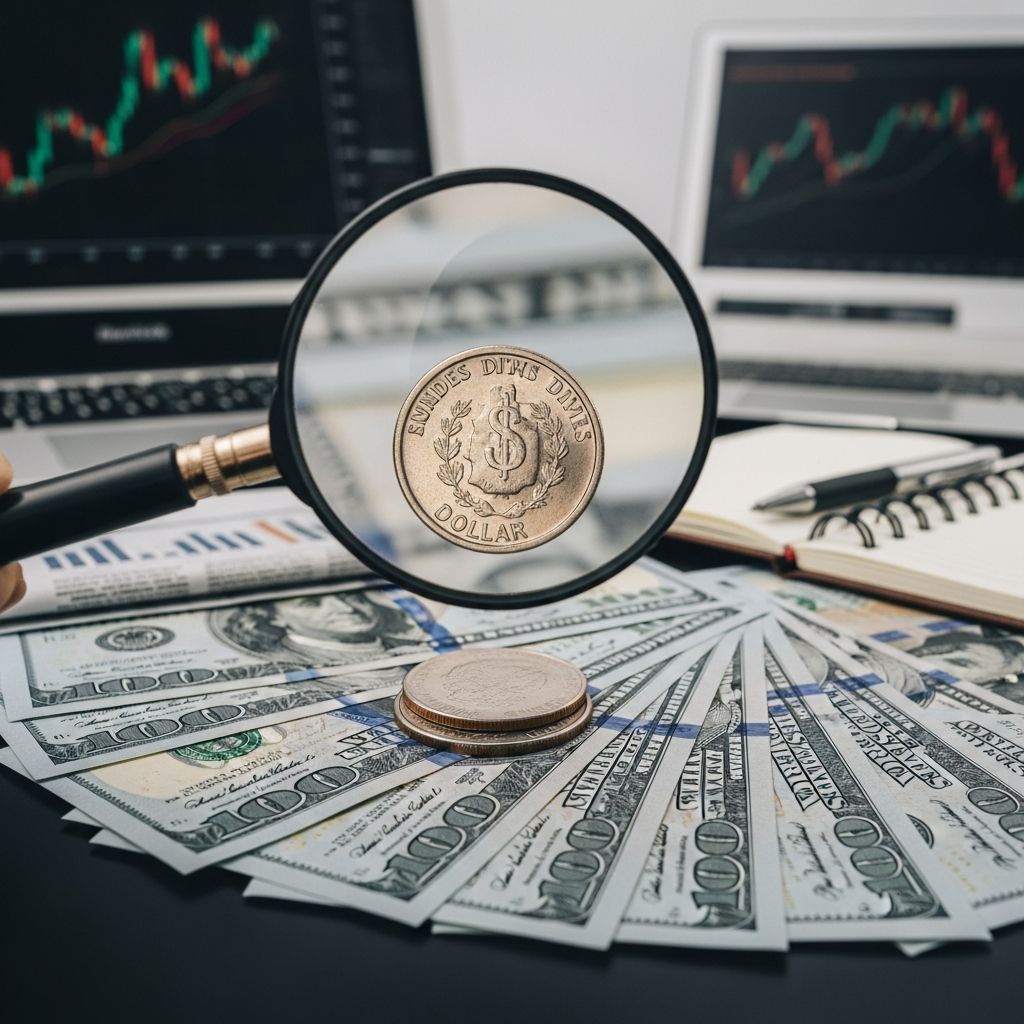
Every dollar counts when building wealth, and even $1 can kickstart your investing journey. Modern platforms allow fractional share investing, making it possible to own pieces of high-value stocks without large sums. Experts recommend starting small, automating contributions, and focusing on diversified, low-cost index funds for long-term growth.
Why Invest Even $1?
Investing combats inflation and grows your money over time. While savings accounts offer low returns that may lag behind rising costs, stock market investments historically provide positive returns—94% chance over 10 years and 99% over 20 years for broad indexes like the S&P 500. Starting with $1 builds the habit of consistent investing, leveraging compound interest. For example, investing $10 weekly at 6% annual return could grow to $7,200 in 10 years, with $2,000 from interest alone.
Relationships matter, but so does financial growth. As noted by finance experts, low-risk options like CDs may yield negative real returns after inflation, making equities essential for preserving purchasing power.
Prerequisites Before Investing
Before diving in, ensure financial readiness:
- Build an emergency fund: Save 3-6 months of expenses in a high-yield savings account.
- Pay off high-interest debt: Prioritize debts over 7% interest, as they outpace typical investment returns.
- Define goals: Retirement, home purchase, or general wealth? This shapes your strategy.
With these in place, $1 becomes a seed for growth rather than a gamble.
Best Platforms for Investing $1
Brokerages now support fractional shares, letting you invest in pricier stocks like Amazon with minimal amounts. Choose based on fees, ease of use, and features.
| Platform | Minimum Investment | Key Features | Best For |
|---|---|---|---|
| Robinhood | $1 | Fractional shares, no commissions, round-ups | Beginners, mobile users |
| Fidelity | $1 | Fractional shares, robo-advisor, zero fees on ETFs | Long-term investors |
| Acorns | $5 (but round-ups start small) | Automatic spare change investing | Micro-investors |
| Vanguard | $1 (fractional ETFs) | Low-cost index funds | Cost-conscious |
| Webull | $0 | Fractional shares, extended trading | Active traders |
Robo-advisors like Betterment or Wealthfront manage portfolios for you starting at $1-$10, using algorithms for diversification.
Top Investments for Beginners Starting Small
Focus on low-risk, diversified options. Robert R. Johnson, Finance Professor at Creighton University, advocates broad index funds mirroring the S&P 500 or Dow Jones for easy diversification.
- Exchange-Traded Funds (ETFs) and Index Funds: Track markets like S&P 500. Low fees (0.03%-0.10%), high historical returns (7-10% annually).
- Money Market Funds or CDs: Liquid, low-risk for short-term. U.S. Treasury bills offer safety but minimal growth.
- Fractional Shares of Blue-Chip Stocks: Buy slivers of Apple, Microsoft via apps.
- Robo-Advisor Portfolios: Automated mix of stocks, bonds, ETFs tailored to risk.
Avoid individual stocks initially due to volatility; diversify to mitigate risks.
Step-by-Step Guide to Invest Your First $1
- Choose an account type: Taxable brokerage for flexibility, IRA/401(k) for retirement tax perks, 529 for education.
- Open and fund account: Link bank, deposit $1. Many apps verify instantly.
- Select investments: Search for VTI (total stock ETF) or SPY (S&P 500). Buy fractional share.
- Automate: Set recurring $1-5 deposits. Use round-up features for spare change.
- Monitor sparingly: Review quarterly, rebalance annually. Avoid daily checks to prevent emotional decisions.
Compound interest amplifies small starts: $1 monthly at 7% grows to $152 in 10 years, $1,220 in 30.
Strategies to Grow Beyond $1
Scale up wisely:
- Dollar-Cost Averaging: Invest fixed amounts regularly, buying more shares when prices dip.
- Reinvest Dividends: Boosts compounding in index funds.
- Increase Contributions: Aim for 10-15% of income long-term.
- Diversify Assets: 60% stocks, 40% bonds for moderate risk; adjust by age.
Mobile apps simplify: Connect accounts for automatic round-ups, turning coffee change into investments.
Risks and How to Manage Them
All investing carries risk. Markets fluctuate, but time reduces it—hold long-term. Mitigate with:
- Diversification across assets.
- Avoid timing the market; automate instead.
- Understand fees: Choose no-commission brokers.
- Stay informed via SEC.gov or FINRA.org resources.[gov1]
Real-World Examples
Investor Jane starts with $1 in an S&P 500 ETF via Fidelity. Adding $5 weekly, after 5 years at 8% average return: ~$1,500 portfolio. Another uses Acorns round-ups: $20/month spare change grows to meaningful sums passively.
Frequently Asked Questions (FAQs)
Q: Can I really invest just $1?
A: Yes, platforms like Robinhood and Fidelity offer fractional shares with no minimum beyond $1.
Q: What’s the safest investment for beginners?
A: Broad index ETFs or funds tracking the S&P 500, per finance professors.
Q: How soon can I see returns?
A: Focus on 10+ years; short-term volatility is normal, but long-term odds favor growth (99% positive over 20 years).
Q: Should I use a robo-advisor?
A: Ideal for hands-off beginners; they diversify automatically starting at low amounts.
Q: What about crypto or Bitcoin with $1?
A: Possible via apps, but highly volatile—treat as speculative, not core strategy.
Final Thoughts on Starting Small
Investing $1 proves accessibility: consistency trumps amount. Automate, diversify, and let time work. Track progress yearly, scaling as income grows. Your first dollar today could seed financial independence tomorrow.
References
- Investing for Beginners: How to Start and Grow Your Money — The Penny Hoarder. 2023. https://www.thepennyhoarder.com/investing/beginners-guide-to-investing/
- How to Invest Even if You Have No Idea Where to Start — The Penny Hoarder. 2023. https://www.thepennyhoarder.com/investing/how-to-invest/
- Investor Bulletin: Robo-Advisors — U.S. Securities and Exchange Commission (SEC). 2023-06-01. https://www.sec.gov/oiea/investor-alerts-and-bulletins/ib_roboadvisers
- Historical Returns for the S&P 500 — New York University Stern School of Business. 2025. https://pages.stern.nyu.edu/~adamodar/New_Home_Page/datafile/histretSP.html
- Beginner’s Guide to Asset Allocation — U.S. Securities and Exchange Commission (SEC). 2024. https://www.investor.gov/introduction-investing/investing-basics/investment-products/mutual-funds-and-exchange-traded-2
- Treasury Bills — U.S. Department of the Treasury. 2026-01-10. https://home.treasury.gov/policy-issues/financing-the-government/quarterly-refunding/treasury-bills
Similar Articles








Read full bio of medha deb