Composting At Home: Easy Methods For Small Spaces
Learn how to start composting without a yard and transform food waste into gardening gold.
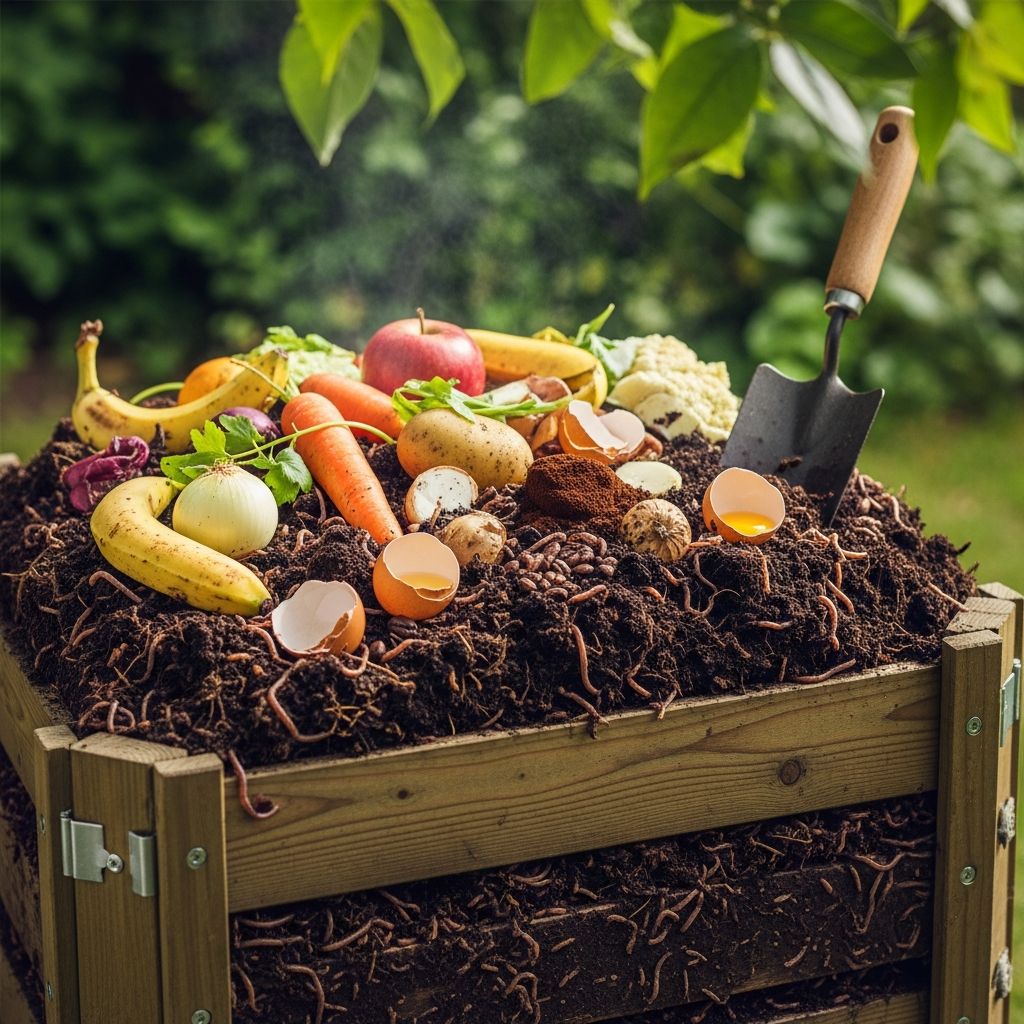
No Yard? No Problem: You Can Still Compost at Home
You don’t need sprawling acreage to have a fruitful compost pile. Whether you’re living in a small apartment, a tiny house, or have limited outdoor space, composting is an achievable and rewarding practice that can significantly reduce your household waste while creating valuable nutrients for future gardening projects.
Why Start Composting?
Composting offers multiple benefits that extend beyond environmental consciousness. By composting, you divert organic waste from landfills where it would decompose and release methane, a potent greenhouse gas. Instead, your food scraps and yard waste transform into nutrient-rich soil amendment that enhances garden productivity. From a financial perspective, composting reduces your reliance on purchased fertilizers and soil amendments, saving money over time. Additionally, a well-maintained compost pile can cut down on your food waste by allowing fruit and vegetable scraps to go back into the earth, rather than rotting on a trash heap.
Understanding Composting Basics
Composting is a natural decomposition process where microorganisms break down organic materials into humus, a dark, crumbly, nutrient-rich substance that improves soil structure and fertility. The process requires three essential elements: carbon-rich materials (known as “browns”), nitrogen-rich materials (known as “greens”), and moisture. Browns include materials like dried leaves, straw, and shredded paper, while greens encompass grass clippings, vegetable scraps, and coffee grounds.
The ideal ratio for composting is approximately two parts green materials for every one part brown material. This balanced mixture provides the necessary nutrients and carbon for microorganisms to thrive while preventing the pile from becoming too compact or too wet.
Composting Methods for Small Spaces
Indoor Composting
If you live in an apartment or have very limited outdoor space, indoor composting solutions make the practice feasible. Several methods work well indoors:
- Vermicomposting (Worm Composting): Using a container with red wiggler worms, vermicomposting is quiet, odor-free when managed properly, and ideal for apartment living. The worms process food scraps into castings—a premium soil amendment.
- Bokashi Composting: This fermentation method uses special bran inoculated with microorganisms to break down food scraps (including meat and dairy) in a sealed bucket, eliminating odors.
- Countertop Composters: Electric composters accelerate decomposition using heat and grinding, producing finished compost in hours or days rather than months.
Outdoor Composting in Small Spaces
If you have a balcony, patio, or small yard, several outdoor options suit limited space:
- Tumbling Composters: These barrel-shaped containers sit on stands and allow you to rotate the drum to mix contents, speeding decomposition.
- Stationary Bins: Compact plastic or wooden bins fit in corners and under eaves, requiring minimal space while containing compost neatly.
- Stackable Systems: Tiered composters allow you to manage multiple batches while using vertical space efficiently.
What to Compost and What to Avoid
Excellent Composting Materials
Everything from your coffee grounds to celery ends can find their way into your compost bin. Safe materials include:
- Fruit and vegetable scraps
- Coffee grounds and tea bags
- Grass clippings and yard trimmings
- Shredded newspaper and cardboard
- Sawdust and wood chips
- Plant-based food waste
- Horse manure (which provides significant energy for the composting process)
Materials to Avoid
Protect your compost from contamination and odor problems by avoiding:
- Meat, fish, and bones (except in bokashi systems)
- Dairy products and oils
- Pet waste
- Diseased plants
- Glossy or colored paper
- Treated wood or coal ash
- Liquids (particularly in winter composting, as any moisture attempts to rob heat from the pile)
The Composting Process: Step by Step
Step 1: Choose Your Container and Location
Select a composting method that fits your living situation. For outdoor composting, choose a location that receives partial shade and has good drainage. Ensure proper ventilation if composting indoors, particularly in greenhouses, as carbon dioxide, a byproduct of composting, can be a breathing hazard.
Step 2: Layer Your Materials
Begin with a coarse brown layer (leaves or straw) at the bottom to promote air circulation. Alternate layers of browns and greens, maintaining the two-to-one ratio. If your pile seems too wet, add more brown materials; if it seems too dry, add greens or lightly mist with water.
Step 3: Monitor Moisture and Temperature
Your compost pile should feel like a wrung-out sponge—moist but not waterlogged. As decomposition accelerates, the pile’s interior temperature rises, sometimes reaching 140-160°F (60-71°C). This heat indicates active microbial activity.
Step 4: Turn When Possible
Turning your compost pile promotes microbial activity and accelerates decomposition. Microbes aren’t mobile, so mixing the pile redistributes organisms throughout the food source. Turn when you can, especially on warmer days. If using a tumbling composter, rotate the drum weekly.
Step 5: Harvest When Ready
Finished compost appears dark, crumbly, and earthy-smelling, resembling rich potting soil. This typically takes 2-6 months depending on your method and management. Use it to amend garden beds, container soil, or potted plants.
Winter Composting Considerations
Cold weather presents challenges for composting, but it’s not impossible. In winter, pile size matters significantly—compost piles less than one cubic yard in volume tend to freeze solid with minimal activity. Maintain adequate pile size to preserve heat. The best insulator is more compost; larger piles retain heat better in their cores.
Avoid covering piles with impermeable plastic tarps, as these create anaerobic environments and kill beneficial microbial activity. Instead, trust in your pile’s size and allow natural processes to continue. While frozen piles may not actively decompose, you can continue adding materials; come spring, decomposition will resume.
In winter, be selective with materials. Avoid anything liquid, as moisture robs heat from the pile. Horse manure provides exceptional energy for winter composting, helping piles stay hot throughout cold months. Sawdust also helps manage moisture levels during winter composting. Minimize ash additions, using no more than a two-gallon pail for the entire winter season, as ashes raise pH quickly and can inhibit microbial activity.
Maximizing Your Composting Success
Troubleshooting Common Problems
If your compost smells like ammonia or is slimy, add more brown materials to balance nitrogen. If decomposition seems slow, add more greens or turn more frequently. If pests appear, stop adding food scraps temporarily and ensure you’re not including meat or dairy. For outdoor piles in winter, use a spade fork (pitchfork with a shovel handle) to help break up frozen materials.
Optimizing Compost Quality
The finished compost quality depends on your input materials. A diverse mix of materials creates better-balanced compost. Shredding large pieces before adding accelerates decomposition. After three weeks of composting, till your soil and spread a layer of manure mixed with compost about half a foot deep across the whole garden when planting.
Using Your Finished Compost
Once your compost is ready, the possibilities expand beyond gardening. Use it to enrich indoor potted plants, start a vegetable or herb garden, or share with friends and family. Finished compost suppresses plant diseases, improves soil water retention, and reduces the need for chemical fertilizers. Even apartment dwellers can use small amounts in container gardens, bringing gardening productivity to balconies and patios.
Composting and Food Waste Reduction
Composting works best as part of a comprehensive food waste reduction strategy. Plan meals for the week and make a grocery list to prevent overbuying. Buy frozen produce instead of fresh when you’re unsure about consumption. Use your freezer to extend the life of meats, bread, and vegetables. Store items where you can see them to ensure you use them before they spoil. Keep your fridge clean and organized to prevent items from getting lost.
For scraps you do generate, consider repurposing before composting. Ripe bananas make banana bread, soft strawberries blend into smoothies, and chicken bones create nutritious stock. Coffee grounds enrich soil naturally, and citrus peels freshen garbage disposals. Only after exploring these options should materials enter your compost bin.
Getting Started Today
Beginning a composting practice requires minimal investment and knowledge. Start with a small container or designated area, add your first layers of materials, and observe the magical transformation. Within weeks or months, you’ll have created nutrient-rich soil amendment from materials you previously discarded. Whether you’re apartment-dwelling or suburban, composting brings environmental responsibility and financial savings within reach.
Frequently Asked Questions
Q: How long does composting take?
A: The timeline depends on your method. Active pile management with regular turning produces finished compost in 2-3 months, while passive composting takes 6-12 months. Electric composters produce results in hours or days.
Q: Can I compost in winter?
A: Yes, though the process slows significantly. Maintain adequate pile size (at least one cubic yard), avoid adding liquids, and take advantage of warmer days to turn the pile. Frozen piles can continue receiving additions; decomposition resumes in spring.
Q: Will my compost smell bad?
A: Properly maintained compost smells earthy, not offensive. Bad odors indicate too much nitrogen (greens) or moisture. Add browns and increase airflow to resolve the issue.
Q: Can I compost meat and dairy?
A: Traditional aerobic composting methods cannot accommodate meat and dairy due to odor and pest concerns. Bokashi fermentation systems can process these materials.
Q: Do I need a large yard?
A: No. Vermicomposting, bokashi, and countertop composters work excellently in apartments and small spaces.
Q: What’s the best tool for winter composting?
A: A spade fork—a pitchfork with a shovel handle—is ideal for breaking up frozen materials. Skip tumbling composters for winter, as they’re difficult to rotate when contents freeze.
References
- How to compost in cold weather — Bangor Daily News. 2025-11-13. https://www.bangordailynews.com/2025/11/13/homestead/homestead-how-to/how-to-compost-cold-weather-joam40zk0w/
- How to Reduce Food Waste: 16 Smart and Easy Tips — The Penny Hoarder. https://www.thepennyhoarder.com/save-money/how-to-reduce-food-waste/
- 10 Ways to Save Money and the Environment — The Penny Hoarder. https://www.thepennyhoarder.com/save-money/save-money-and-the-environment/
- How To Plant a Cheap Garden, According to Gardeners — The Penny Hoarder. https://www.thepennyhoarder.com/save-money/cheap-garden/
Similar Articles








Read full bio of medha deb