How To Spot A Hotel Booking Scam: 8 Essential Red Flags
Protect your vacation budget and peace of mind by learning to identify and avoid fraudulent hotel booking websites that mimic legitimate sites.
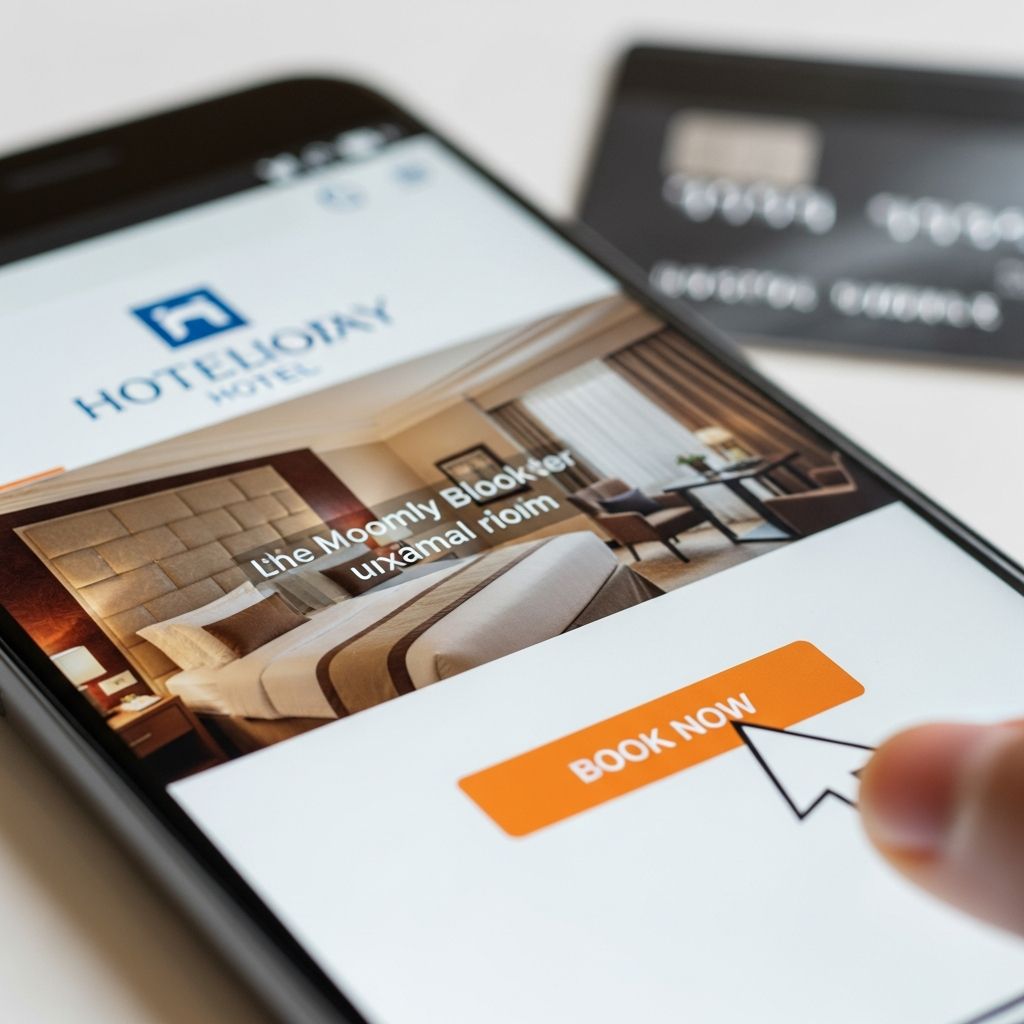
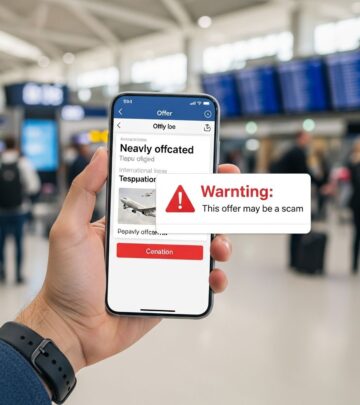
The internet has revolutionized travel planning, allowing independent research, itinerary creation, and direct hotel bookings without relying on travel agents. However, this convenience comes with risks: the American Hotel & Lodging Association (AHLA) estimates 55 million hotel booking scams target consumers annually. Rogue third-party sites mimic legitimate hotel pages using stolen images, logos, and similar URLs to deceive searchers. These frauds can result in stolen payments, inflated rates, lost loyalty points, or no reservation at all, potentially ruining vacations.
Understanding scam tactics is crucial. Fraudsters create sites that rank high in searches, tricking users into thinking they’re booking directly with hotels. Victims may pay upfront for non-existent rooms or share personal data leading to identity theft. Even savvy travelers fall victim, as noted by the Better Business Bureau (BBB). This guide covers key red flags, verification steps, and protective strategies to book safely.
Recognize Rogue Booking Websites
Rogue sites are designed to impersonate official hotel or trusted booking platforms. They use copyrighted photos, trademarked logos, and URLs like ‘hiltonimperialdubrovnik-deals.com’ that appear legitimate in searches for ‘Hilton Imperial Dubrovnik’.
- Mirrored Design: Exact copies of hotel layouts, but subtle differences like poor grammar, low-res images, or mismatched fonts reveal fakes.
- Search Engine Hijacking: These sites optimize to appear alongside real ones, often promising ‘exclusive’ deals.
- Phony Confirmation: You receive an email, but the hotel has no record upon arrival.
AHLA surveys show 6% of online bookers unwittingly use imposters, equating to 15 million fraudulent bookings and $1.3 billion in losses yearly—far higher than prior estimates.
Book Directly With the Hotel When Possible
For chain hotels, navigate straight to the official site like Hilton.com or Marriott.com to avoid third-party traps.
- Enter the hotel name directly into the brand’s URL rather than search engines.
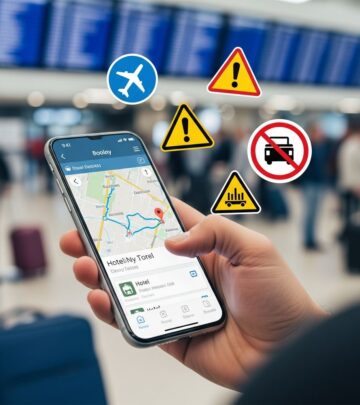
- Verify the domain: Official sites end in .com for the chain, not add-ons like ‘-booknow’ or country codes unrelated to the location.
- Expect loyalty perks, accurate rates, and direct support unavailable via fakes.
Example: Searching ‘Hilton Imperial Dubrovnik’ yields imposters; always cross-check by typing ‘hilton.com’ and searching internally.
Be Wary of Unknown Third-Party Booking Sites
Established platforms like Expedia, Travelocity, or Priceline are generally safe and offer savings. Unknown sites, however, warrant caution.
| Legitimate Sites | Scam Red Flags |
|---|---|
| Well-known brands with BBB accreditation | Obscure names, no reviews |
| HTTPS secure, clear contact info | Misspelled URLs, no phone |
| Transparent policies | Vague terms, pressure to book fast |
Before booking, check BBB.org for complaints and read independent reviews on sites like TripAdvisor. If uneasy, call the hotel directly to confirm. Fidelity Bank advises scrutinizing URLs for misspellings and ensuring HTTPS.
Deals That Are Too Good to Be True
Scammers lure with unrealistically low prices, especially during peak seasons or events.
- Price Comparison: If a rate undercuts official sites by 50%+, investigate. Real deals exist, but extremes signal fraud.
- Urgency Tactics: ‘Only 1 room left!’ or ‘Flash sale ends soon!’ pressure hasty decisions without verification.
- **Seasonal Mismatch:** Bargain rates for sold-out periods are classic bait.
Always compare across official channels. Caleb’s story illustrates: He booked a ‘deal’ via a fake site, paid, got a fake confirmation, and arrived to no room.
Read the Fine Print on Payment and Cancellation
Scrutinize terms before submitting card details.
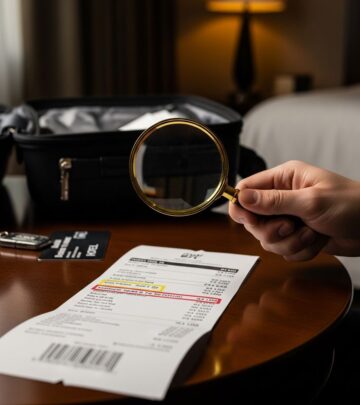
- Upfront Payment: Legit hotels often authorize cards but charge on arrival or checkout. Demands for full prepayment, especially non-refundable, are risky.
- Cancellation Policies: Understand fees and windows. Chains vary, so confirm directly.
- Hidden Fees: Watch for surprise ‘resort’ or ‘service’ charges not on official quotes.
BBB recommends questioning any deviation from norms, like immediate full charges. Use credit cards for bookings—they provide superior dispute rights over debit or wires.
Verify Your Reservation
Post-booking, confirm with the hotel via official phone or email from their site—not the booking confirmation’s reply-to.
- Call and provide name/dates; ask for booking number.
- Check for mismatches like wrong room type, causing on-site issues.
- If no record, dispute immediately.
Hotels may accommodate if available but at walk-in rates, or refund only if they received funds—which fakes prevent.
What Happens If You’re Scammed
Act swiftly to minimize damage.
- Contact Your Bank/Card Issuer: Report fraud to freeze charges and initiate disputes.
- Report to FTC: File at ReportFraud.ftc.gov; notify local police and state AG via NAAG.org.
- Alert the Hotel: They may assist or blacklist the site.
- Warn Others: Share experiences on review sites.
Victims like Felicia Johnson faced higher rates and cancellation penalties from bogus sites, underscoring urgency. Credit card protections often recover funds.
Frequently Asked Questions (FAQs)
Q: How common are hotel booking scams?
A: AHLA reports 55 million incidents yearly, with 15 million rogue bookings costing $1.3 billion.
Q: Are third-party sites always unsafe?
A: No, reputable ones like Expedia are fine; verify unknowns via BBB and reviews.
Q: What if the site looks identical to the hotel’s?
A: Check URL, call the hotel, and book directly to confirm.
Q: Should I pay upfront for deals?
A: Avoid unless from trusted sources; prefer charge-on-arrival.
Q: How to spot fake confirmations?
A: Always verify directly with the hotel, not via the email.
Additional Prevention Tips
Beyond basics:
- Use virtual credit cards or services like Privacy.com for one-time numbers.
- Enable transaction alerts on cards.
- Search ‘[hotel name] + scam’ for reports.
- Book through apps with verified reviews.
Travel safely: Vigilance ensures enjoyable trips without financial pitfalls.
References
- How to Spot a Hotel Booking Scam — Wise Bread. Accessed 2026. https://www.wisebread.com/how-to-spot-a-hotel-booking-scam
- Hotel Booking Scam: How to Avoid Fake Reservations — Fidelity Bank. 2025-10-20. https://www.bankwithfidelity.com/resources/education/fraud-cybersecurity-awareness/detail.html?title=hotel-booking-scam-how-to-avoid-fake-reservations
- Hotel Booking Scams A Much Bigger Problem Than Previously Known — U.S. House of Representatives (Rep. Frankel). 2015-10-12. https://frankel.house.gov/news/documentsingle.aspx?DocumentID=430
Similar Articles








Read full bio of medha deb