How to Spend Almost Nothing on Gifts This Year
Discover smart, budget-friendly strategies to give meaningful gifts without breaking the bank this holiday season.

The holiday season often brings financial pressure with gift expectations mounting. Fortunately, creative strategies allow you to give thoughtfully without spending much, focusing on resourcefulness, reuse, and personal touches.
Make a List and Check It Twice
Start by creating a detailed gift list for all recipients, noting their interests, needs, and past gifts received. This prevents duplicate or unwanted items and helps prioritize low-cost options. Categorize by relationship—family, friends, colleagues—and set a zero-spend goal per person where possible.
- Track birthdays, anniversaries, and holidays in a digital or paper planner.
- Observe hints throughout the year: a coworker mentions needing kitchen tools, or a friend admires your homemade jam.
- Assign themes like ‘edible’ or ‘useful’ to guide zero-cost ideas.
This organization saves time and money by avoiding impulse buys during peak shopping madness.
Regift With Care
Regifting—passing on unused items you’ve received—extends their life cycle while cutting costs. Select items in excellent condition, like unopened candles, books, or gourmet foods, and ensure no sender connections overlap.
- Store regiftables in a dedicated box, labeled by occasion.
- Personalize with a handwritten note tying it to the recipient’s tastes.
- Avoid regifting personalized or sentimental items to prevent awkwardness.
Done discreetly, regifting reduces waste and landfill contributions, aligning with sustainable living.
Handmade Gifts From the Heart
DIY gifts carry sentimental value far exceeding their minimal cost. Use household supplies for crafts that showcase effort over expense.
- Candles: Melt old candles into jars with essential oils for scents.
- Preserves: Jar homemade jams, pickles, or sauces from garden produce.
- Baked Goods: Cookies, bread, or flavored salts in reusable tins.
- Personalized Items: Knitted scarves, custom playlists, or framed photos.
These gifts foster connections; recipients appreciate the time invested. Source free recipes from public domain cookbooks or family traditions.
Use What You Already Have
Inventory your home for gift-worthy items: excess toiletries, books, fabrics, or tools. Repurpose effectively to declutter while gifting.
| Item Category | Gift Ideas | Cost |
|---|---|---|
| Kitchen | Spices, utensils, recipe cards | $0 |
| Closet | Scarves, jewelry, accessories | $0 |
| Bookshelf | Read books, magazines | $0 |
| Bathroom | Lotions, soaps (unused) | $0 |
This approach promotes minimalism, freeing space and funds.
Shop the After-Holiday Sales
Post-holiday clearances offer 50-75% discounts. Buy next year’s gifts during Boxing Day or Black Friday aftermath.
- Target wrapping supplies, ornaments, and generic items like toys or candles.
- Store in labeled bins by recipient type.
- Combine with cashback apps for extra savings (if minimal spending occurs).
Planning ahead eliminates December rushes, securing deals proactively.
Arbitrage Your Own Stuff
Sell unneeded items on platforms like eBay or Facebook Marketplace, directing proceeds to a ‘gift fund.’ This tidies your home painlessly.
- Photograph and list gently used clothes, books, electronics.
- Price competitively for quick sales.
- Reinvest 100% into thoughtful, low-cost gifts.
It’s a win-win: declutter and fund gifting without new spending.
Maintain a Gift Closet or Pantry
Dedicate space for ongoing gift storage. Stock with sales finds, handmade items, and regifts.
- Use under-bed bins or pantry shelves.
- Rotate stock to avoid expiration.
- Label for easy access during events.
This ensures you’re always prepared, reducing last-minute spends.
Give the Gift of Time or Skills
Non-material gifts like services transcend monetary value.
- Babysitting nights, home-cooked meals, or errand runs.
- Lessons in gardening, cooking, or tech skills.
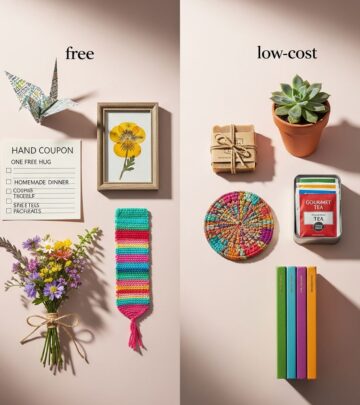
- Custom coupons for massages, car washes, or pet-sitting.
These strengthen bonds; print coupons on scrap paper for charm.
Creative Wrapping Solutions
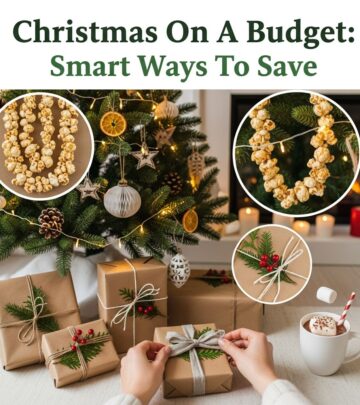
Skip pricey paper; reuse newspapers, maps, fabric scraps, or brown kraft.
- Embellish with ribbons from old clothes or pinecones.
- Use jars, tins, or boxes as dual-purpose packaging.
- For fancy items, layer in cereal boxes as protective ‘jewelry.’
Eco-friendly wrapping saves $20-50 per season and adds uniqueness.
Pre-Shop for Next Year
During visits home, snag sales for future holidays. Wrap immediately for seamless execution.
- Focus on evergreen items like socks, games, or consumables.
- Hide in guest rooms or off-site storage.
- Avoid perishables unless climate-controlled.
This hack minimizes shipping and travel burdens.
Experience Gifts Over Things
Opt for shared activities: picnic lunches, movie nights, or hikes. These create memories without clutter.
- Host potlucks where your contribution is zero-cost.
- Plan free local events like museum free days.
Surveys show experiences yield longer-lasting happiness than objects.
FAQs
What if recipients expect store-bought gifts?
Communicate openly about your frugal approach, emphasizing thoughtfulness. Most appreciate creativity over cost.
How do I avoid regifting disasters?
Keep meticulous records of origins and repackage neutrally. Trust your instincts on suitability.
Can kids participate in zero-spend gifting?
Yes—assign crafts like painted rocks or drawings. It teaches value beyond money.
What’s the biggest savings tip?
Combine gift closets with after-sales shopping for compounded discounts over years.
Does this work for non-holidays?
Absolutely—apply to birthdays, anniversaries for year-round savings.
References
- Consumer Expenditure Survey: Holiday Spending Patterns — U.S. Bureau of Labor Statistics. 2024-10-15. https://www.bls.gov/cex/
- Frugal Living Guide: Sustainable Gifting — Federal Trade Commission (Consumer Education). 2023-12-01. https://consumer.ftc.gov/
- The Psychology of Gift-Giving — American Psychological Association. 2022-11-20. https://www.apa.org/monitor/2022/12/psychology-gift-giving
- Household Debt and Credit Report: Spending Trends — Federal Reserve Bank of New York. 2025-01-10. https://www.newyorkfed.org/microeconomics/hhdc.html
- Minimalism and Financial Well-Being — Journal of Consumer Research (Oxford University Press). 2023-05-12. https://doi.org/10.1093/jcr/ucad015
Similar Articles








Read full bio of Sneha Tete