Check Endorsement Guide: How to Sign Over Checks
Master check endorsement: Learn proper signing techniques, endorsement types, and avoid common mistakes.

Understanding Check Endorsement: A Complete Guide
When you receive a check, depositing or cashing it requires more than simply walking into a bank. The process begins with endorsement—the act of signing the back of the check to authorize its processing. This fundamental banking procedure protects both you and the financial institution by confirming that you are the legitimate recipient of the funds. Understanding the proper way to endorse a check is essential for any account holder, whether you receive checks regularly or only occasionally.
Check endorsement serves as your seal of approval, transferring responsibility and authorization to the bank to process the payment. However, many people overlook critical details during this process, leading to delays, rejections, or security risks. This comprehensive guide walks you through everything you need to know about signing over checks, the different types of endorsements, and how to handle common problems.
The Basic Steps for Endorsing a Check
Properly endorsing a check involves several straightforward but important steps. Following these procedures ensures your check processes smoothly without complications or delays.
Step 1: Verify the Check Information
Before you even think about endorsing the check, examine the front side carefully. Confirm that your name appears correctly in the “Pay to the Order Of” field. Check that the date is current or in the past (never a future date, as postdated checks present problems). Verify that the numerical amount and the written-out amount match—if they don’t, the written amount is what the bank considers final. Additionally, ensure the check is signed by the payer. If the signature line is blank, the check cannot be processed, and you’ll need to ask the payer to sign it or issue a replacement check.
Step 2: Identify Who Must Sign
Determine whether the check is made out to one person or multiple payees. This matters significantly for the endorsement process. If the payee line reads “John and Jane Smith,” both individuals must endorse the check. However, if it reads “John or Jane Smith,” only one person needs to sign. Understanding this distinction prevents rejection at the bank and ensures compliance with the payer’s intent.
Step 3: Sign the Back in the Correct Location
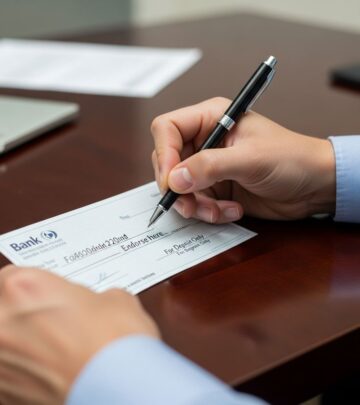
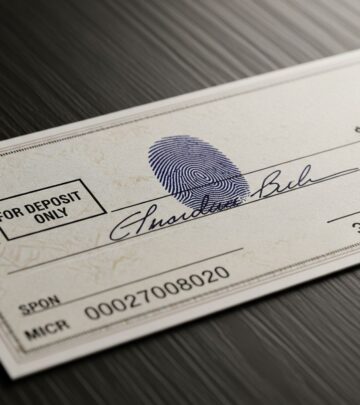
Flip the check over and locate the endorsement box at the top of the back side. You’ll see text that reads “Endorse Here” followed by blank lines, and below that, another box stating “Do Not Write, Stamp, or Sign Below This Line.” Sign your name in cursive within the designated endorsement area. Use only blue or black ink from a pen—never pencil, markers, crayons, or other colors. Ensure your signature matches the name as it appears on the payee line. If your name is misspelled on the check, sign it first with the incorrect spelling, then sign directly below with the correct spelling. This prevents the bank from rejecting the check due to signature discrepancies.
Step 4: Choose Your Endorsement Type
After signing, you may add additional information based on the type of endorsement you’re using. Different endorsement types provide varying levels of security and flexibility, which we’ll explore in detail in the following section.
Types of Check Endorsements
There are several ways to endorse a check, each serving different purposes and offering different levels of protection. Understanding these options allows you to choose the method best suited to your situation.
Blank Endorsement
A blank endorsement is the simplest form—you simply sign your name on the back of the check in the endorsement area with no additional instructions. This is the most common endorsement type and is typically used when you’re depositing the check in person at a bank branch or ATM, where the teller or machine allows you to specify whether you want to deposit or cash the check. However, blank endorsements carry security risks. If the check is lost or stolen after you’ve signed it, anyone can cash it or deposit it without authorization. For this reason, only use blank endorsements when you’re immediately depositing the check.
Restrictive Endorsement
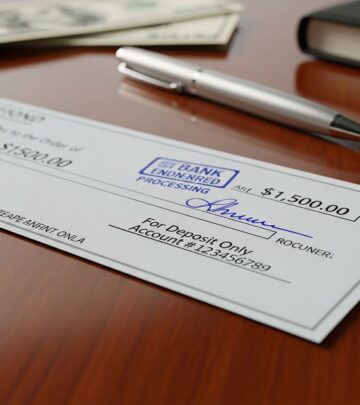
A restrictive endorsement provides enhanced security by limiting how the check can be used. The most common restrictive endorsement is “For Deposit Only,” which you write above your signature in the endorsement box. This restriction ensures the check can only be deposited into an account bearing your name—it cannot be cashed or partially withdrawn. After writing “For Deposit Only,” sign your name below these instructions, keeping everything within the endorsement box boundaries. This method is ideal when you’re mailing a check to your bank or using mobile deposit, as it protects against theft or misuse if the check goes missing in transit.
Third-Party Endorsement
Occasionally, you may need to sign a check over to another person. This is called a third-party or “Pay to the Order Of” endorsement. To execute this endorsement, write “Pay to the Order of [Person’s Name]” in the endorsement area, then sign your name directly below. The person whose name you’ve written must then sign below your signature before depositing the check. However, it’s important to note that not all banks accept third-party checks due to fraud concerns, and some impose restrictions on this practice. Always contact your bank before attempting to deposit a third-party check to confirm their policy.
Business Endorsement
When a check is made payable to a business, the endorsement process differs slightly. An authorized signatory on the business account must handle the endorsement. Write the exact business name as it appears in the “Pay to the Order Of” line, sign your name, add your title (such as “Owner” or “Accountant”), and note any restrictions like “For Deposit Only.” Some businesses use an endorsement stamp instead of handwriting, which can streamline the process for high-volume check deposits.
Fiduciary Endorsement
When you’re signing a check on behalf of someone else in a fiduciary capacity—such as a guardian, executor, or power of attorney—a specialized endorsement is required. Sign your name, then write your title and the name of the person you represent. For example: “John Smith, Guardian for Jane Doe” or “Sarah Johnson, Executor of Robert Johnson’s Estate.” This endorsement protects both the bank and the person you represent by clearly indicating you’re acting in an official capacity, not as a personal transaction.
Common Problems with Check Endorsements
Despite being a straightforward process, several issues commonly arise during check endorsement that can delay or prevent check processing. Understanding these problems helps you avoid them.
Signature Mismatches
One of the most frequent problems occurs when your endorsement signature doesn’t match your signature on file with the bank. Banks maintain signature samples for verification purposes. If your endorsement signature appears drastically different—perhaps you signed in print instead of cursive, or your handwriting looks significantly different—the bank may reject the check. To prevent this, sign your name exactly as it appears in your bank records, using the same style and flourishes.
Incorrect Pen Choices
Using the wrong writing instrument can cause check processing problems. Many people reach for pencils, which can fade or be erased, creating security and verification issues. Others use red ink, invisible ink, markers, or crayons—none of which are acceptable to banks. Always use blue or black pen with permanent ink. This ensures legibility, security, and compliance with banking standards.
Misspelled Names
If your name is misspelled on the check, don’t simply sign it with the correct spelling. Instead, sign it first exactly as it appears on the check (even if misspelled), then sign it again directly below with the correct spelling. This dual-signature approach protects you legally and ensures the bank accepts the check while maintaining a clear record of the discrepancy.
Writing in the Wrong Area
The back of a check has specific zones. The top area is the endorsement section where you should sign and make notations. The bottom area, clearly marked “Do Not Write, Stamp, or Sign Below This Line,” is reserved for bank processing. Writing outside the proper endorsement box or in the restricted area can cause the check to be rejected or delayed. Always keep all your writing—signature, “For Deposit Only,” and any other notations—within the designated endorsement box at the top of the check’s back side.
Missing Signatures on Multiple Payees
When a check is made out to multiple people with “and” between their names, all must sign. Many people overlook this requirement and attempt to deposit a check with only one signature when two are required. Before endorsing, carefully read the payee line. If you’re one of two required signatories, ensure the other person also signs before you attempt to deposit the check.
Attempting to Cash Restrictively Endorsed Checks
If you’ve endorsed a check “For Deposit Only,” you cannot cash it—you can only deposit it into your bank account. Attempting to cash a restrictively endorsed check will be rejected at the teller window or ATM. If you need to cash the check instead, you’ll need a new, unendorsed copy from the payer.
Special Considerations for Different Deposit Methods
The deposit method you choose may affect endorsement requirements and procedures.
In-Person Bank Deposits
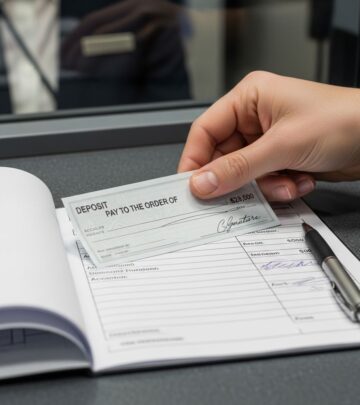
When depositing in person at a bank branch, you can typically use a blank endorsement or speak with a teller about your preference to deposit or cash the check. The teller can verify your identity and ensure proper processing. Always bring identification and be prepared to provide any additional information the bank requests.
ATM Deposits
ATM deposits require endorsement, typically with either a blank endorsement or “For Deposit Only” notation. Some ATMs prompt you to confirm that you’re depositing the check or provide other instructions. Follow the machine’s on-screen guidance carefully to ensure successful processing.
Mobile Deposit
Mobile deposit through your bank’s app requires endorsement and often requires adding “For Mobile Deposit” to your signature area, though this varies by bank. Some banks require you to check a box in the app confirming the mobile deposit after photographing the check. After completing the transaction, store the endorsed check securely until you confirm the deposit has posted to your account.
Bank Policies and Third-Party Check Restrictions
Banks maintain varying policies regarding check endorsements, particularly for third-party checks. Many banks have become more restrictive in accepting third-party checks due to increased fraud concerns. Some financial institutions no longer accept them at all, while others allow them only for deposited checks (not cashed checks) and require both the original payee and the third party to be present with identification.
Before attempting to sign a check over to another person, contact your bank to understand their specific policies. This prevents disappointment and ensures you have alternative payment methods available if needed. Additionally, some banks place hold periods on third-party checks longer than regular checks, delaying access to funds.
Security Best Practices for Check Endorsement
Protecting yourself from check fraud requires attention to detail during the endorsement process. Endorse checks only when you’re ready to deposit or cash them, not before. For mailed deposits, use a restrictive “For Deposit Only” endorsement. For checks received digitally or through check writing apps, follow the platform’s security guidelines. If you receive a check that’s already endorsed to you by someone else, verify the chain of endorsements makes sense and that all signatures are legitimate before depositing it.
Frequently Asked Questions About Check Endorsements
Q: What happens if I lose a check after signing it?
A: If you’ve used a blank endorsement, anyone who finds it can potentially cash it or deposit it. This is why restrictive endorsements like “For Deposit Only” are safer. If you lose an endorsed check, contact your bank immediately to report it and place a stop payment order if it hasn’t already cleared.
Q: Can I endorse a check to multiple people?
A: Signing a check over to multiple people becomes complicated and many banks won’t accept it. It’s better to suggest that the original payee handle the deposit and transfer funds accordingly if multiple people need to receive the payment.
Q: Do I need to endorse a check for direct deposit?
A: No. Direct deposit doesn’t require physical check endorsement. Instead, you provide your banking information directly to the payer, and they arrange electronic transfer.
Q: What should I do if I made a mistake while endorsing?
A: Don’t cross out or use correction fluid. Contact the payer and request a new check, or contact your bank to ask if they’ll accept the check despite the error. Some banks are flexible, but many won’t process checks with endorsement corrections.
Q: Is a digital signature acceptable for check endorsement?
A: For physical checks, no—you must use pen and ink. However, for checks processed through mobile deposit apps or electronic check systems, the app’s signature capture technology is acceptable as it complies with electronic signature standards.
Q: Can my spouse endorse a check made out to me?
A: No. Only the person whose name appears on the payee line can endorse the check. Your spouse cannot legally sign on your behalf unless they have power of attorney or a similar legal authority.
References
- How to Endorse a Check — PNC Insights. 2024. https://www.pnc.com/insights/personal-finance/spend/how-to-endorse-a-check.html
- How to Endorse a Check: 6 Important Steps — Regions Bank. 2024. https://www.regions.com/insights/personal/article/how-to-endorse-a-check
- How to Endorse a Check — Chase Personal Banking. 2024. https://www.chase.com/personal/banking/education/basics/how-to-endorse-a-check
- How to Properly Endorse a Check and Reduce Fraud — KeyBank Security. 2024. https://www.key.com/about/security/endorsing-a-check.html
- How to Endorse a Check: 5 Easy Steps — Citizens Bank Learning. 2024. https://www.citizensbank.com/learning/how-to-endorse-a-check.aspx
- How to Sign Over a Check — Citi Personal Banking Guide. 2024. https://www.citi.com/banking/personal-banking-guide/basic-finance/how-to-sign-over-a-check
- How Do I Endorse a Check for Deposit? — Armed Forces Bank. 2024. https://www.afbank.com/article/how-do-i-endorse-a-check-for-deposit
Similar Articles








Read full bio of medha deb