How to Shop Online Without a Credit Card
Discover secure alternative payment methods for online shopping beyond traditional credit cards.
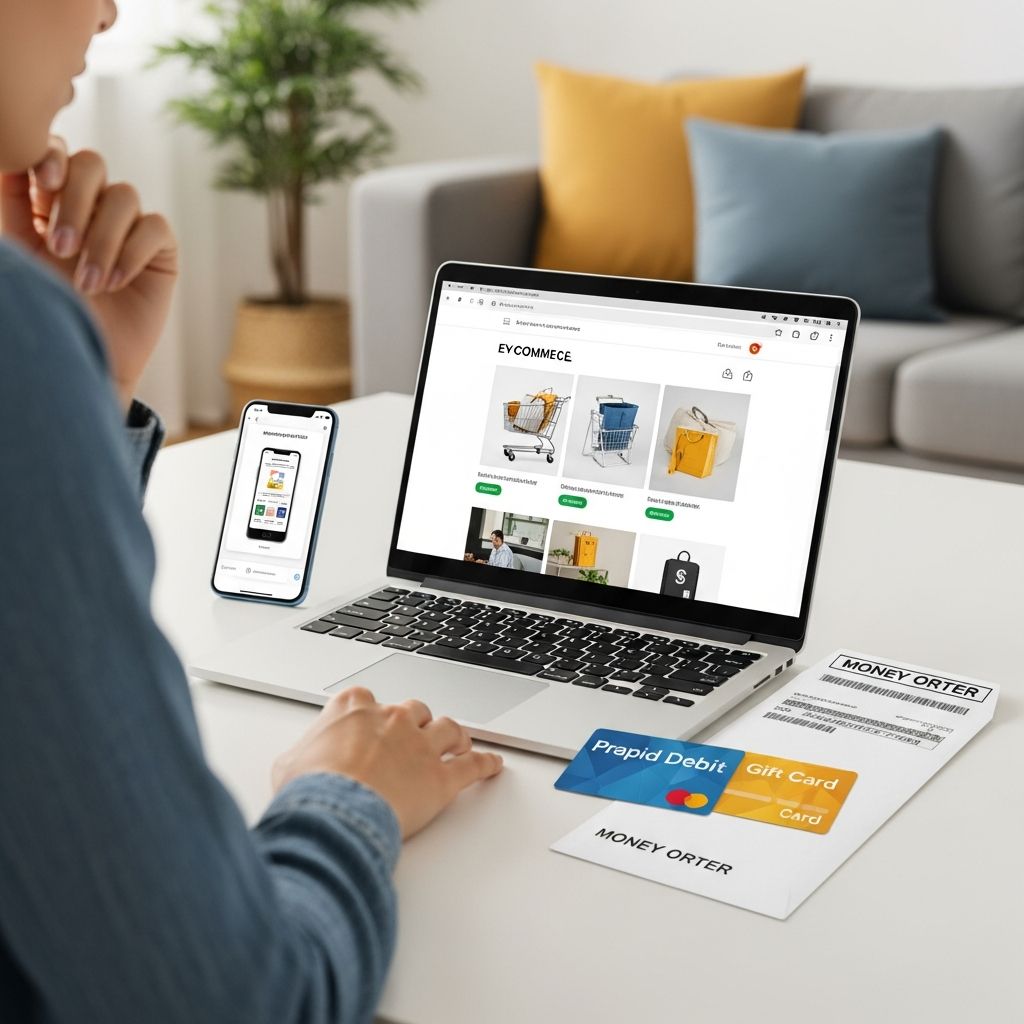
In today’s digital marketplace, credit cards have long been considered the standard method for making online purchases. However, not everyone has a credit card, and some prefer not to use one due to security concerns, debt management goals, or simply personal preference. The good news is that there are numerous legitimate alternatives available that allow you to shop online safely and conveniently without relying on a traditional credit card. Whether you’re concerned about data breaches, want to limit your spending, or simply lack access to credit, understanding these options can expand your online shopping capabilities significantly.
Understanding Your Online Payment Options
The evolution of digital payment technology has created a diverse ecosystem of payment solutions designed to meet various consumer needs. From mobile payment platforms to virtual card numbers, these alternatives offer different levels of security, convenience, and accessibility. Each method has its own set of advantages and limitations, making it essential to understand which option works best for your specific situation and shopping habits.
Digital Wallets and Mobile Payment Platforms
Digital wallets have revolutionized the way consumers make online purchases by providing a secure, convenient layer between your financial information and merchants. These platforms use advanced encryption and tokenization technology to protect your sensitive data while enabling quick and easy transactions.
Google Pay
Google Pay stands out as one of the most popular digital wallet solutions available today. To use Google Pay, you’ll need to input a debit or credit card into the platform, but the service utilizes tokenization to hide your card information from merchants. This means your private information is not revealed to other parties as you make purchases. Google Pay stores payment information directly on your phone for easy access and doesn’t require processing fees or bank transfers when funded with a virtual credit card number, making it one of the more cost-effective options available. However, setup can be time-consuming, and it’s currently only available for contactless payments. Additionally, iPhone users cannot use Google Pay on their devices, though Apple offers its own equivalent payment solution.
Apple Pay
Apple Pay functions similarly to Google Pay but is exclusively available for Apple device users. The platform provides a secure way to make purchases using your iPhone, iPad, or Apple Watch. Apple Pay also uses tokenization to protect your financial information, ensuring merchants never see your actual card details during transactions.
Samsung Pay
Samsung Pay offers comparable functionality to Apple Pay for Android users with Samsung devices. It provides the same security benefits and convenience of mobile payment processing, allowing quick and secure transactions at compatible retailers.
Virtual and Masked Credit Cards
Virtual credit cards, also known as masked credit cards, represent an innovative security solution for online shopping. These temporary card numbers are issued by payment service providers and come complete with a unique card number and security code. The virtual card is untraceable to your original information, providing an additional layer of anonymity and protection against fraud.
Capital One cardholders can access virtual cards through the Capital One Mobile app and website, as well as through Google Pay on Chrome and the Eno browser extension. Virtual card numbers allow you to make online purchases without sharing your actual credit card number with stores. These are particularly helpful when paying for subscription services, saving payment methods with regularly visited online retailers, or making one-time purchases on unfamiliar websites.
The beauty of virtual cards lies in their flexibility and security. When you use a virtual card, all charges appear on your regular credit card account statements, and you continue to earn the same rewards or cash back as you would with your physical card. Virtual cards are now available to anyone with eligible Capital One, American Express, Discover, or select Visa cards.
Peer-to-Peer Payment Platforms
Peer-to-peer payment applications have become increasingly popular for online transactions, offering a different approach to purchasing from online retailers who accept these payment methods.
PayPal
PayPal remains one of the most widely accepted online payment platforms globally. You can link your bank account, debit card, or add funds directly to your PayPal account to make online purchases securely. PayPal doesn’t require a bank account to open, as you can use a prepaid debit card or link your bank account information to receive and make payments. This flexibility makes PayPal an excellent option for those without traditional banking relationships.
Venmo
Venmo offers another peer-to-peer payment option that doesn’t require a bank account to open. While primarily designed for transfers between friends and family, some online retailers have begun accepting Venmo as a payment method, expanding its utility for online shopping.
Cash App
Cash App provides a secure way to make online payments using your mobile device. The platform uses a tag name that you create when signing up, so only your tag name displays when sending payments rather than your personal information. While others can’t see your information through the app, be aware that Cash App itself can access this data. Pros of using Cash App include no personal data shared through the app interface, though it does have restrictive daily spending limits and has been susceptible to security breaches.
Zelle
Zelle operates as a peer-to-peer platform backed by some of the nation’s largest banks. It allows users to send and receive funds from friends, family, and others directly from their bank account. Zelle is remarkably easy to use and boasts quick transaction times since there’s no need to wait for ACH transfers; once a payment is sent, it lands in the recipient’s account within minutes.
Prepaid Cards and Gift Cards
Prepaid payment options offer a straightforward approach to online shopping without exposing your financial information.
Prepaid Debit Cards
Prepaid debit cards function similarly to traditional debit cards but operate on a prepaid basis. These cards are issued by banks and financial institutions, but you’re not borrowing money from them. Instead, when you make a purchase, you’re spending your own money that you’ve already loaded onto the card. The advantage of prepaid debit cards is that you can use them both online and offline. However, depending on the card type, you may need to enter personal information, and setup can be somewhat hassle-filled. Importantly, you should avoid reloadable debit cards, as these require more personal information and defeat the purpose of remaining anonymous.
Digital Gift Cards
Purchasing an online gift card and then using it for online payments is another popular way to avoid sharing credit card information. Most major stores offer these types of cards, which can be purchased in-store or online and then used for purchases on their websites. Gift cards offer complete anonymity and enable immediate payments. However, they aren’t always accepted at all retailers, and using this method repeatedly can become tedious.
Paysafecard
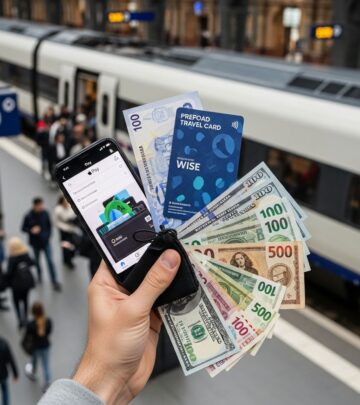
Similar to prepaid cards, a Paysafecard functions as a cash voucher distributed by vendors. To keep your personal data hidden, you should purchase these with cash and preload the card with specific denominations like $10, $20, $50, or $100. You can even link multiple cards to pay for larger purchases. There is no way to trace the Paysafecard back to you as long as you paid for it with cash. The main advantages include being a completely anonymous payment method, though drawbacks involve limited vendor acceptance, inferior customer support, and a non-transparent fee structure.
Buy Now, Pay Later Services
Modern financing options have introduced a new category of payment methods that allow consumers to spread purchases over time.
Many services now offer financing payment options where users pay a small amount of the total price upfront and pay off the balance at a later time. Affirm and Klarna are just a couple of companies starting to offer these types of payments. These services allow you to shop from many retailers without requiring full upfront payment.
However, it’s important to understand the drawbacks. Buy now, pay later tools add debt to your financial circumstances, and these services are susceptible to security breaches. For example, Klarna suffered a data breach that affected almost 10,000 users. Additionally, available payment terms are often limited. Google Pay now offers buy now and pay later options, allowing you to choose providers like Affirm, Klarna, or Zip based on your preferences.
Alternative Shopping Methods
Beyond digital payment platforms and card alternatives, several other approaches can facilitate online shopping without a credit card.
Cash on Delivery
Some online retailers offer the option to pay with cash upon delivery. This method allows you to order items online and pay for them when they arrive at your doorstep, providing a traditional approach to online shopping that doesn’t require any form of electronic payment.
Online Bank Transfers
Some websites offer payment through online bank transfers, which allows you to transfer funds directly from your bank account to the merchant’s account when making a purchase. This method provides a direct connection between your bank and the retailer without involving credit cards.
Comparison of Payment Methods
| Payment Method | Security Level | Ease of Use | Acceptance | Best For |
|---|---|---|---|---|
| Digital Wallets (Google/Apple Pay) | High | Easy | Widespread | Quick mobile purchases |
| Virtual Credit Cards | Very High | Moderate | Broad | Protecting sensitive information |
| Prepaid Debit Cards | High | Easy | Very Widespread | Budget control |
| Gift Cards | High | Easy | Limited to specific retailers | Shopping at preferred stores |
| Paysafecard | Very High | Moderate | Limited | Maximum anonymity |
| PayPal | High | Easy | Very Widespread | General online shopping |
| Peer-to-Peer Apps (Venmo, Cash App) | Moderate to High | Easy | Growing | Informal transactions |
| Buy Now, Pay Later | Moderate | Easy | Growing | Large purchases over time |
Security Considerations for Online Shopping
Regardless of which payment method you choose, security should be a primary concern. When evaluating safe online payment methods, consider the following factors:
Data Encryption
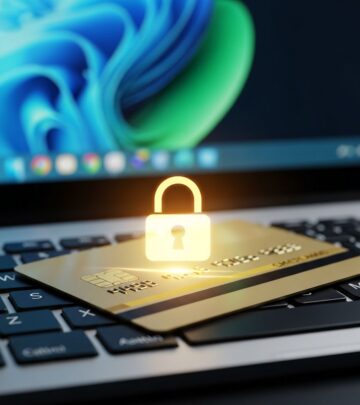
Ensure that any payment platform you use employs end-to-end encryption to protect your financial information during transmission. Digital wallets and virtual card services typically employ this technology as standard practice.
Tokenization Technology
Tokenization replaces sensitive data like credit card numbers with replacement data sets called tokens, keeping your actual financial information safe while you shop. This technology is used by most major digital wallet providers.
Two-Factor Authentication
Choose payment services that offer two-factor authentication, adding an extra layer of security to your account by requiring multiple forms of verification before transactions can be completed.
Fraud Protection
Look for services that offer buyer protection and fraud monitoring to safeguard against unauthorized transactions.
Tips for Choosing the Right Payment Method
Selecting the best payment method depends on several factors specific to your situation:
– Consider which retailers you shop from most frequently and which payment methods they accept- Evaluate your privacy preferences and how much anonymity you require- Assess your budget control needs and whether prepaid options suit your spending patterns- Review the security features and protections offered by each platform- Consider the setup complexity and learning curve for each method- Think about transaction fees and whether the service charges for certain operations- Evaluate customer service quality in case issues arise
Frequently Asked Questions
Q: Can I shop on all websites without a credit card?
A: While most major retailers now accept alternative payment methods, not all websites support every payment option. Larger retailers and digital marketplaces typically accept multiple payment methods including digital wallets, PayPal, and prepaid cards. Smaller retailers may have more limited options. Always check the payment options available before beginning your purchase.
Q: Are virtual credit cards safe?
A: Yes, virtual credit cards are generally considered very safe. They use unique card numbers that can’t be traced back to your actual account, and if a merchant’s database is compromised, the virtual card number has limited value to hackers since it’s tied to specific restrictions and limited use.
Q: Do I need a bank account to use PayPal?
A: No, you don’t necessarily need a bank account to use PayPal. You can link a prepaid debit card or add funds to your PayPal account directly to make and receive payments, making it accessible even without traditional banking.
Q: Which digital wallet is most widely accepted?
A: PayPal is among the most widely accepted digital payment platforms globally, accepted by millions of merchants. Google Pay and Apple Pay are also widely accepted, particularly at major retailers and for contactless payments. Acceptance varies by region and retailer type.
Q: Are there fees associated with prepaid cards?
A: Many prepaid cards charge fees for activation, reloading, balance inquiries, or transactions. However, some retailers offer free or low-fee prepaid cards. Always review the fee structure before purchasing a prepaid card to understand the total cost of using that payment method.
Q: What should I do if I experience fraud with an alternative payment method?
A: Contact the payment service provider immediately to report any suspicious activity. Most reputable services offer fraud protection and can dispute unauthorized transactions. Document everything and follow their specific procedures for disputing charges or recovering funds.
Q: Can I use multiple payment methods for a single purchase?
A: Some retailers allow you to split payments between multiple payment methods at checkout, though this isn’t universally available. Many traditional e-commerce platforms require a single payment method per transaction. Check your retailer’s specific policies during checkout.
Q: Are buy now, pay later services safe?
A: While many buy now, pay later services use encryption and security measures, they have experienced data breaches. Additionally, these services create debt obligations. Only use them from reputable providers and carefully review terms before committing to any financing agreement.
Conclusion
Shopping online without a credit card is not only possible but increasingly convenient thanks to the diverse payment alternatives available in today’s digital economy. Whether you prefer the security of virtual credit cards, the convenience of digital wallets, the anonymity of prepaid options, or the simplicity of peer-to-peer payment apps, there’s a solution that fits your needs and preferences. By understanding the features, benefits, and limitations of each payment method, you can make informed decisions that protect your financial information while enjoying the convenience of online shopping. Take time to evaluate which options work best for your specific situation, and don’t hesitate to use multiple methods depending on your specific purchasing needs.
References
- 10 Ways to Pay Online Without Sharing Your Credit Card — IronVest. 2024. https://ironvest.com/blog/how-to-pay-online-without-credit-card/
- How To Shop Online Without A Credit Card? — BusinessGuide360.com. 2024-10-08. https://www.youtube.com/watch?v=N79BQeOMV8U
- Virtual Credit Cards for Online Shopping — Capital One. 2024. https://www.capitalone.com/learn-grow/money-management/virtual-cards-shopping-online/
- Secure, Fast, and Convenient Online Payment — Google Pay. 2024. https://pay.google.com/about/pay-online/
Similar Articles








Read full bio of Sneha Tete