How to Shop for Food Once a Month and Save Big
Master monthly grocery shopping to slash your food bill by hundreds while keeping meals delicious and nutritious for the whole family.
Transforming your grocery shopping routine from frequent, impulse-driven trips to a single, strategic monthly haul can dramatically reduce your food expenses. Many families have successfully cut their monthly grocery bills by several hundred dollars by adopting this approach, focusing on planning, bulk purchases, and efficient cooking.
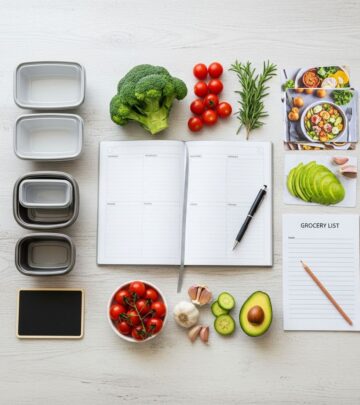
Plan Your Meals First
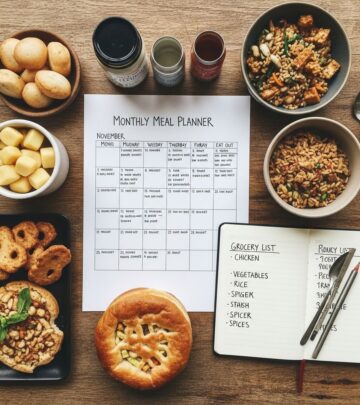
The foundation of successful once-a-month shopping is meticulous
meal planning
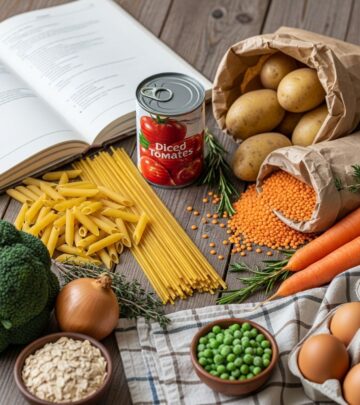
. Start by mapping out all your dinners, lunches, and even breakfasts for the entire month. For a family of four, this might mean planning 23 dinners, prioritizing recipes that share common ingredients to maximize bulk buying opportunities.Go through your selected recipes—whether from cookbooks, websites, or memory—and compile a comprehensive ingredient list. Opt for dishes that reuse staples like rice, beans, lentils, pasta, and frozen vegetables. This not only simplifies shopping but leverages economies of scale, such as buying large sacks of rice or multiple cans of tomatoes.
- Choose versatile recipes: Stir-fries, casseroles, soups, and pasta dishes that adapt to available ingredients.
- Incorporate seasonal produce for freshness and cost savings.
- Plan for variety to prevent meal fatigue, alternating proteins like beans, tofu, eggs, and frozen fish.
Pro tip: Include “stretchers” like hearty salads or grain bowls that can incorporate leftovers, ensuring nothing goes to waste.
Make a Master Shopping List
With meals planned, create a detailed
master shopping list
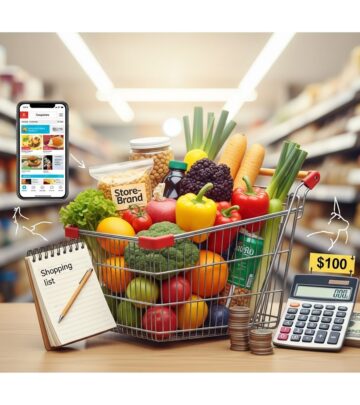
categorized by store aisles or sections: produce, dairy, pantry staples, frozen goods, and bulk items. Double-check quantities by reviewing recipes to avoid overbuying perishables.Organize the list digitally or on paper for efficiency. Use apps or spreadsheets to tally totals and track prices from past shops. This list becomes your bible—stick to it religiously to prevent impulse buys that derail your budget.
| Category | Items | Estimated Quantity |
|---|---|---|
| Pantry Staples | Rice, pasta, beans, lentils | 20 lbs rice, 10 lbs pasta, 20 cans beans |
| Dairy/Eggs | Greek yogurt, eggs, cheese | 6 tubs yogurt, 5 dozen eggs |
| Produce | Avocados, bell peppers, onions | 20 avocados, 3-packs peppers |
| Frozen | Vegetables, fruits, fish | 10 bags mixed veggies |
This sample table illustrates a balanced list for a month’s worth of meals, adjustable based on family size and preferences.
Choose the Right Stores
Not all stores are equal for bulk monthly shopping. Research and rotate between discount chains, supermarkets, and warehouse clubs to hit the best prices. Stores like Aldi excel for basics—eggs at 70 cents a dozen, unbeatable Greek yogurt, and cheap avocados—while Wegmans offers organic peanut butter jars and tofu packs.
- Aldi: Ideal for produce, dairy, and staples; no-frills pricing saves 30-50%.
- Warehouse clubs (Sam’s, BJ’s): Bulk dry goods, frozen items.
- Upscale markets: Specialty items not available elsewhere.
Scout sales flyers weekly, even if shopping monthly, to time your big trip. Factor in gas costs and travel time when selecting stores.
Set a Realistic Budget
Budgeting is key to success. For a family of two adults, one child, and one baby, allocate $350 for the monthly bulk shop covering non-perishables and frozen foods. Reserve $150 for mid-month fresh produce runs like milk and berries, which spoil quickly.
Track expenses in real-time using a notebook or app. Adjust based on household size: singles might aim for $150-200, larger families $500+.
- Monthly bulk: 70% of budget (pantry, frozen).
- Weekly fresh: 30% (dairy, delicate produce).
- Buffer: 10% for surprises.
Stock Up on Non-Perishables and Freezables
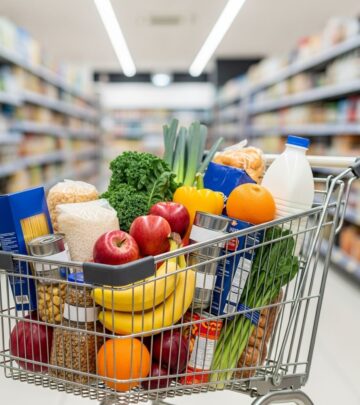
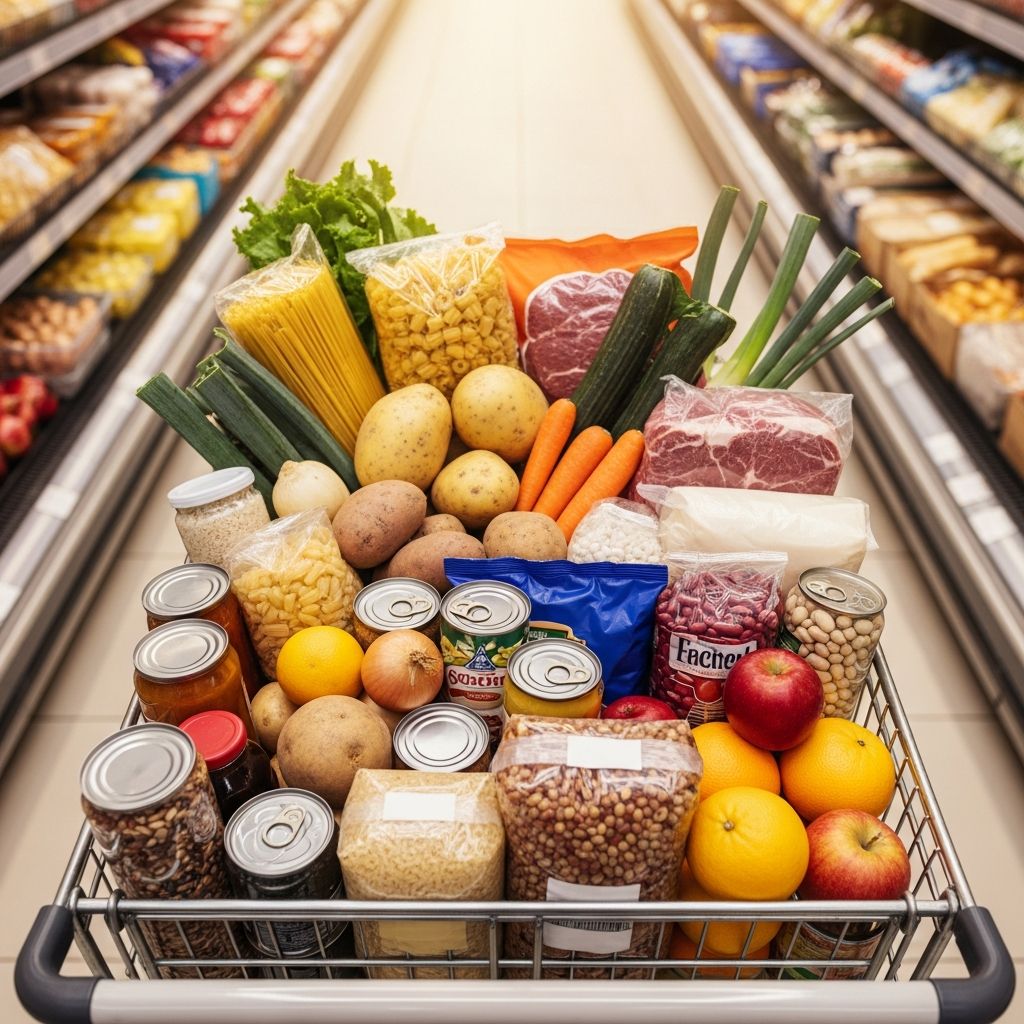
Focus 80% of your cart on items with long shelf lives: canned goods, dry pasta, rice, oats, frozen vegetables, and meats (if applicable). These form the backbone of your meals and can roll over if unused.
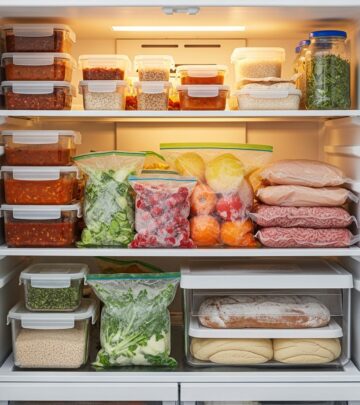
Vegetarians thrive here with lentils, beans, tofu, and nuts. Meat-eaters: portion and freeze bulk buys, thawing as needed. Invest in freezer bags and containers to maximize space.
Examples from real shops: Six tubs of Greek yogurt, huge peanut butter jars, three-packs of tofu—all at fraction-of-cost prices.
Cook and Prep Immediately
Upon returning, resist the urge to procrastinate.
Batch cook
staples like rice, beans, sauces, and chopped veggies. This “assembly cooking weekend” saves time later and prevents spoilage.- Put away perishables first.
- Cook bulk bases (grains, proteins).
- Portion meals into containers for grab-and-go ease.
- Label and date freezer items.
This method turns potential overwhelm into efficiency, ensuring you use every item by month’s end.
Handle Perishables and Fresh Needs
Mid-month trips are minimal: just milk, bread, berries. Buy only what’s needed for 3-5 days to minimize waste. Grow herbs or frequent farmers’ markets for ultra-fresh deals.
Tips for Meat Eaters
Limited freezer space? Calculate meat needs and incorporate into weekly shops. Freeze in meal-sized portions; thaw overnight in the fridge. Opt for cheaper cuts like chicken thighs or ground turkey.
Overcoming Common Challenges
Meal fatigue: Rotate cuisines weekly—Mexican one week, Asian the next.
Kid pickiness: Involve them in planning familiar favorites.
Budget creep: Pre-commit cash only for the shop.
Spoilage: Monitor inventory weekly.
Real Results and Adjustments
Families report saving $200-500 monthly. Track your first shop closely, then refine. As prices fluctuate, revisit store strategies.
Frequently Asked Questions (FAQs)
Q: Is once-a-month shopping realistic for families with kids?
A: Yes, with planning. Focus on kid-friendly staples and quick-assembly meals. Mid-month fresh runs handle picky eaters’ needs.
Q: What if I don’t have a big freezer?
A: Prioritize dry goods and cans. Limit meat; use weekly shops for proteins.
Q: How do I avoid boredom with the same meals?
A: Build variety into your plan—swap spices, veggies, or cuisines weekly.
Q: Are discount stores like Aldi reliable for quality?
A: Absolutely; many prefer their fresh, affordable options.
Q: Can this work for special diets like vegetarian or gluten-free?
A: Perfectly suited—bulk beans, grains, and frozen produce shine here.
References
- USDA Thrifty Food Plan, 2025 — U.S. Department of Agriculture. 2025-01-01. https://www.fns.usda.gov/research/thrifty-food-plan
- Consumer Price Index for Food, 2025 — U.S. Bureau of Labor Statistics. 2025-12-01. https://www.bls.gov/cpi/
- Family Economics Research — Federal Reserve Bank of St. Louis. 2024-06-15. https://fred.stlouisfed.org/
- Household Food Waste Guidelines — EPA Sustainable Management of Food. 2024-03-20. https://www.epa.gov/smm
- National Retail Food Prices Database — USDA Economic Research Service. 2025-02-10. https://www.ers.usda.gov/data-products/
- Food Cost and Availability Report — World Bank. 2024-11-05. https://www.worldbank.org/en/topic/agriculture
Similar Articles








Read full bio of medha deb