How To Shop: A Beginner’s Guide To Smart Grocery Savings
Master essential shopping skills for beginners: smart budgeting, savvy strategies, and money-saving tips to shop wisely without waste.

Shopping is a fundamental life skill, yet many beginners struggle with overspending, waste, and poor planning. This guide provides practical, actionable strategies to shop efficiently, save money, and make informed decisions whether at the grocery store, online, or in retail settings. Drawing from proven frugal living principles, you’ll learn to create effective shopping lists, plan meals, buy in bulk wisely, compare prices, and curb impulse purchases.
Why Smart Shopping Matters
Effective shopping isn’t just about buying what you need—it’s about maximizing value, minimizing waste, and aligning purchases with your budget. According to consumer spending data from financial literacy resources, unplanned buys account for up to 30% of grocery expenses for average households. By adopting structured habits, beginners can cut costs by 20-45% without sacrificing quality or variety. This guide covers core techniques used by frugal experts, focusing on everyday essentials like groceries while extending to general retail.
Creating an Effective Shopping List
A shopping list is your first line of defense against impulse buys. Without one, shoppers often spend 25% more due to in-store temptations. Start by inventorying your pantry, fridge, and household supplies to avoid duplicates.
Streamline Your List with These Tips
- Add items immediately when they run out: Keep a running list on your phone or a notepad in the kitchen. This prevents forgetting essentials and reduces last-minute trips.
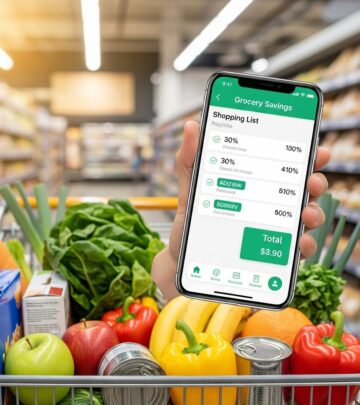
- Use a spreadsheet or app: Tools like Google Sheets or apps (e.g., AnyList) categorize items (produce, dairy, staples) for quick reference. Update weekly based on meals planned.
- Plan meals first: Base your list on 3-7 days of meals. For example, if Tuesday is pasta night, list pasta, sauce, and veggies. This cuts waste and ensures balanced nutrition.
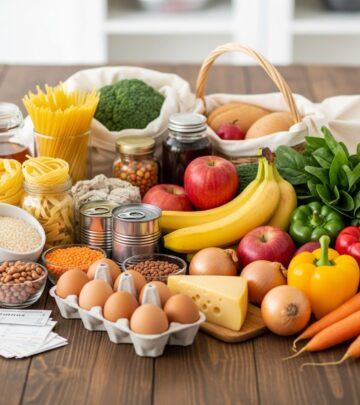
- Determine staples: Stock non-perishables like rice, oil, spices, and canned goods that last months. Buy these in bulk but only if usage justifies it.
- Buy in bulk selectively: For households of 1-2, avoid massive quantities of perishables. Opt for family packs of meats or grains if you freeze portions.
Pro tip: Shop the perimeter of stores first for fresh items, then hit aisles for staples. This mimics a European daily shop: small, frequent trips for fresh goods keep things simple and reduce spoilage.
Shopping for Groceries Cheaply Without a Tedious List
Not everyone loves rigid lists. If daily shopping works for you, embrace it like a ‘lazy’ European shopper—stop by a local market on your way home for that night’s meal. Focus on basics: keep salt, pepper, oils, vinegar, eggs, and milk stocked. Rotate fresh proteins, veggies, and grains around them.
Key Strategies for Low-Effort Savings
- Redefine ‘meal’: Breakfast could be last night’s leftovers. Flexibility saves time and money—no strict rules needed.
- Avoid large quantities: Don’t buy 10lbs of chicken if it spoils. Small stores or markets offer deals on fresh items without overwhelming choices.
- Shop small and local: Neighborhood grocers, farmers’ markets, or ethnic stands beat big-box prices on produce by 20-30%. Walk if possible to save gas and build community ties.
- Hunt deals daily: Stores like Aldi (up to 45% cheaper) or local spots with wine/produce combos offer surprises like $4 crab meat.
- Bulk for non-perishables: Costco excels for TP, detergent, rice—but skip if space-limited.
In small living spaces, prioritize multi-use items. Test new foods now (e.g., tofu) before family obligations complicate things.
Meal Planning and Preparation Basics
Meal planning ties directly to your list. Beginners should start simple: theme nights like Meatless Monday or Taco Tuesday. Use this table for a sample weekly plan for 2 people:
| Day | Main Meal | Key Ingredients | Prep Time |
|---|---|---|---|
| Monday | Stir-fry veggies + rice | Rice, mixed veggies, soy sauce | 20 min |
| Tuesday | Pasta primavera | Pasta, tomatoes, herbs | 25 min |
| Wednesday | Chicken salad | Chicken, greens, dressing | 15 min |
| Thursday | Lentil soup | Lentils, carrots, onion | 40 min |
| Friday | Fish tacos | Fish, tortillas, cabbage | 20 min |
| Weekend | Leftovers/Flex | Varies | N/A |
Batch-cook staples like rice or soups on Sundays. Freeze portions to extend freshness. This approach reduces eating out by planning ‘windfalls’ like tax refunds into grocery boosts.
Bulk Buying: What to Buy, Store, and Save
Bulk buying shines for longevity items but requires planning. Ideal for families; singles should split packs with friends or freeze.
- What to buy: Grains (rice, oats), nuts, spices, toiletries, frozen meats, canned goods.
- Avoid: Produce, bread, dairy unless freezable.
- Storage tips: Airtight containers for dry goods; vacuum-seal meats; label freezer bags with dates.
- Savings math: Bulk often 20-50% cheaper per unit, but factor transport/storage costs.
Shop around warehouses like Costco, but compare unit prices. For small spaces, focus on high-turnover items.
Price Comparison and Shopping Around
Never pay full price. Compare online/offline:
- Groceries: Apps like Flipp aggregate sales; check Aldi vs. traditional stores.
- Online: Use Google Shopping or Amazon for baselines, then hit 3-5 sites. Strip trackers for clean URLs.
- In-store: Unit prices (per oz/lb) reveal true value. Shop sales cycles: produce mid-week, meats end-of-week.
Limit to 2-3 stores to avoid ‘shopping fatigue.’
Avoiding Impulse Buys and Overspending
Impulse accounts for major leaks. Strategies:
- Shop with purpose: Set a 24-hour rule for non-essentials.
- Document spending: Track via apps to spot patterns.
- Reduce via small changes: Cloth towels over paper; generic brands.
- Budget windfalls: Refunds to savings, not splurges.
Shop hungry? No—eat first. Smaller carts help too.
General Retail Shopping for Beginners
Beyond groceries: Compare 3 quotes for big buys; use cash for budgets. Online? Read reviews, check returns. Thrift/resale for clothes saves 70%.
Frequently Asked Questions (FAQs)
Q: Do I need a strict grocery list?
A: No—daily shops for fresh items work if you stock basics and plan loosely.
Q: Is bulk buying worth it for singles?
A: Yes for non-perishables; freeze/share perishables to avoid waste.
Q: How do I compare prices online?
A: Use aggregator sites, check unit prices, and limit to 3-5 retailers.
Q: What’s the best way to reduce grocery bills?
A: Meal plan, shop sales/markets, buy generic, and track spending.
Q: Can small local stores save money?
A: Often yes—fewer choices mean fewer temptations, plus deals on fresh goods.
References
- Grocery Shopping for the Cheap and Lazy — Wise Bread. 2010-approx. https://www.wisebread.com/11-ways-to-shop-for-food-cheaply-without-a-tedious-grocery-list
- 7 Tips for Streamlining Your Shopping List — Wise Bread. 2010-approx. https://www.wisebread.com/7-tips-for-streamlining-your-shopping-list
- Bulk Buying Basics: What to Buy, How to Store, and Money Saving Tips — Wise Bread. 2010-approx. https://www.wisebread.com/bulk-buying-basics-what-to-buy-how-to-store-and-money-saving-tips
- Financial Literacy Month: Save Money on Groceries — Money Management International. 2023-approx. https://www.moneymanagement.org/blog/financial-literacy-month
- 12 Best Websites for Learning About Money — Policygenius. 2023-approx. https://www.policygenius.com/personal-finance/news/the-best-personal-finance-websites/
Similar Articles








Read full bio of Sneha Tete