How To Sell Your Old Stuff On Facebook: Step-By-Step Guide
Clear clutter and earn cash by selling unwanted items on Facebook groups and Marketplace effectively.
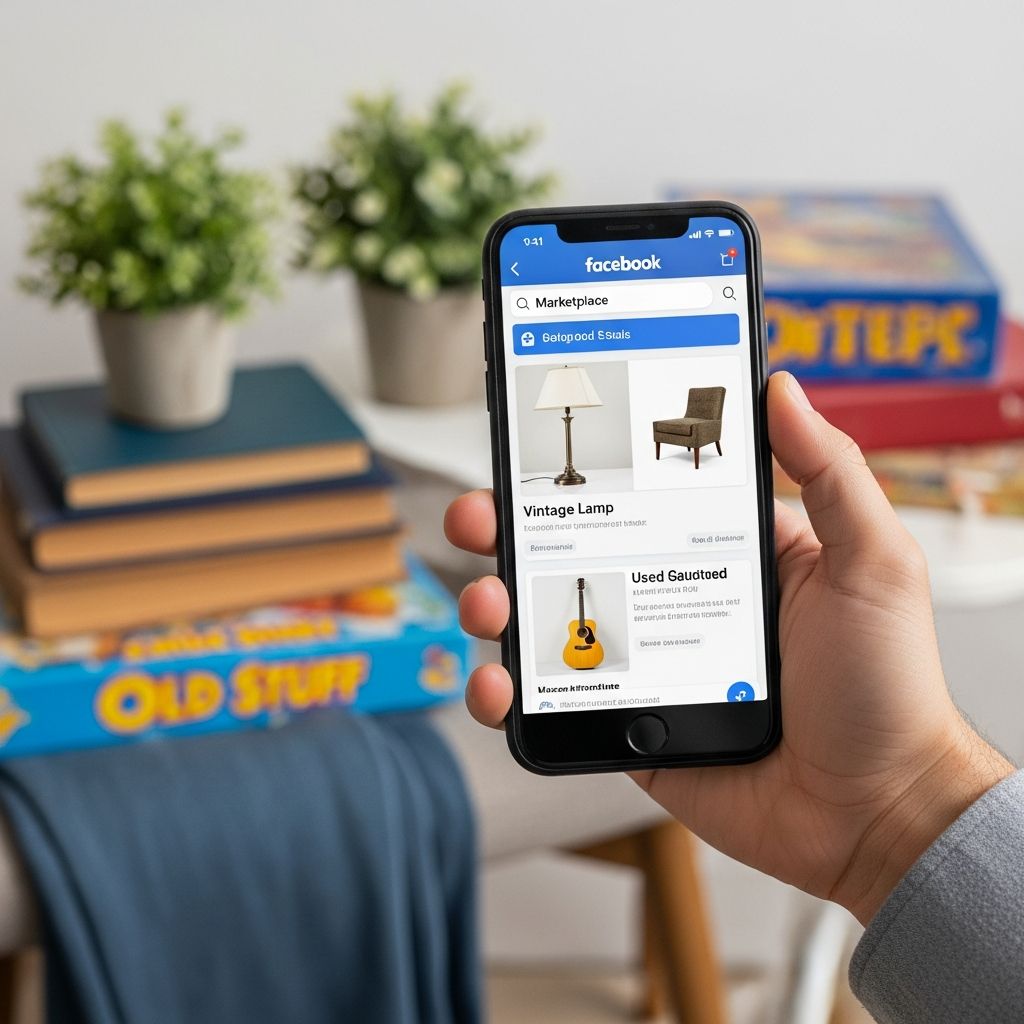
Facebook offers a powerful, fee-free platform to sell unwanted items locally through dedicated buy/sell groups and Marketplace, outperforming competitive sites like Craigslist or eBay in safety and convenience. Most transactions occur within local communities, fostering trust among nearby buyers and sellers while helping you declutter and earn extra cash efficiently.
Why Sell on Facebook?
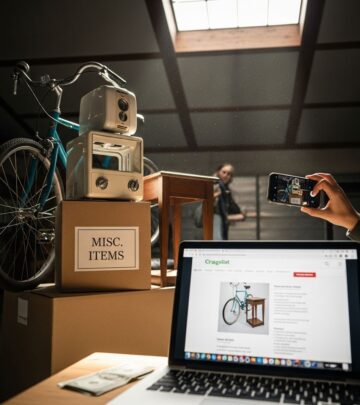
Traditional platforms like Craigslist carry safety risks and heavy competition, while eBay charges high fees that eat into profits. Facebook changes this by leveraging social connections: groups are often hyper-local (city or state-level), increasing the chance you’ll recognize or know mutual friends of buyers. No listing fees mean you keep 100% of sales, and repeat business builds from positive local interactions. In a growing trend, sellers report quicker sales than eBay, with less price undercutting than desperate listings elsewhere.
Facebook’s algorithm boosts visibility through shares and likes among friends’ networks, reaching wider local circles effortlessly. Unlike apps or classifieds outside Facebook’s ecosystem, official groups enforce rules for safer dealings. We’ve seen successes with bulky items like furniture that ship poorly, sold statewide via trusted forums.
Finding the Right Buy/Sell Groups
Start with Facebook’s search bar: enter your city plus “buy sell,” “for sale,” or specifics like “baby items [your area]” for targeted results. Populated areas yield more groups; refine by item type (e.g., “farming tools Seattle”) to avoid broad pools. Groups like “Buy Sell Trade [City Name]” dominate, focusing on local pickups for comfort and logistics.
Avoid third-party apps mimicking listings—they bypass Facebook’s rules and protections. Popular groups include yard sale pages in small towns, expanding reach via community shares. Search variations like “Marketplace [Neighborhood]” uncover niche spots for high-value goods.
Joining a Group
Not all groups are public; request to join and await admin approval. High-end groups (jewelry, vehicles, firearms) demand invitations or existing friendships for security. Once accepted, check the pinned “Notes” tab or “About” section for rules on posting, buyer interactions, and post-sale protocols.
- Read rules first: They dictate photo limits, pricing requirements, and deletion timelines post-sale.
- Answer any join questions honestly to speed approval.
- Observe active posts to match group style (e.g., clear photos, honest descriptions).
Pro tip: Facebook reveals mutual connections—use this to vet buyers for expensive items.
Posting Your Items for Sale
Craft listings that stand out: Use high-quality, well-lit photos from multiple angles, showing flaws transparently to build trust. Include brand names, dimensions, condition details, and your asking price upfront.
| Element | Best Practices | Why It Works |
|---|---|---|
| Photos | 5-10 clear shots; clean background; no filters | Buyers decide 90% visually; poor pics kill sales |
| Title | “[Brand] [Item] [Condition] – $XX” | Searchable and scannable |
| Description | Key specs, usage history, flaws; think buyer mindset | Reduces questions; sets expectations |
| Price | Slightly high for negotiation; research comps | Attracts serious inquiries |
Post in multiple relevant groups without spamming—follow each’s frequency rules. Mark as “available” and delete promptly after sale to maintain credibility. For bulky items, note pickup-only and preferred meet spots.
Pricing Your Items Right
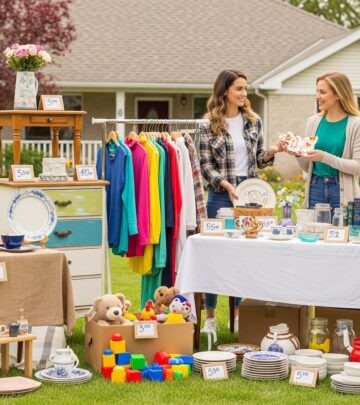
Research similar sold listings in the group for competitive pricing—avoid underpricing that tanks market rates. Price 20-50% below retail for used goods, leaving haggle room. Tools like Facebook’s search history show recent sales; factor local demand (e.g., baby gear peaks seasonally). Bundles (e.g., lot of toys) boost value and clear inventory faster.
- High-demand niches: Kids’ items, tools, furniture sell quickest locally.
- Test prices: Start firm, drop if no bites after 48 hours.
- No fees = full profit; highlight this vs. eBay.
Dealing With Buyers
Respond promptly to messages—serious buyers move fast. Use Facebook Messenger for chats; qualify via mutual friends for safety. Arrange public meetups (police stations, malls) for cash exchanges, especially valuables.
Common scenarios:
- Flaky buyers: Confirm interest; relist if no-show.
- Hagglers: Set firm minimums; bundle deals to up-sell.
- Repeat customers: Note good ones for future sales.
Profile visibility is a risk—limit personal info and block harassers. Positive experiences outweigh negatives, with many building trusted networks.
Safety Tips for Transactions
Prioritize public, daylight meetups; bring a friend for high-value sales. Verify buyer profiles (real photos, friends list) and avoid shipping unknowns. Cash only; test bills. For Marketplace, use built-in messaging and shipping if enabled (but local preferred). Report scams to admins promptly.
- Meet in lit, populated areas like stores or stations.
- Share live location with a trusted contact.
- Don’t accept checks or apps from strangers.
- Trust instincts—if off, bail.
After the Sale
Delete listings immediately to signal availability and uphold rules. Thank buyers publicly if group-appropriate; request reviews or tags for reputation. Track earnings—many supplement income this way, flipping thrift finds. Reinvest in improvements or travel funds.
Facebook Marketplace Alternative
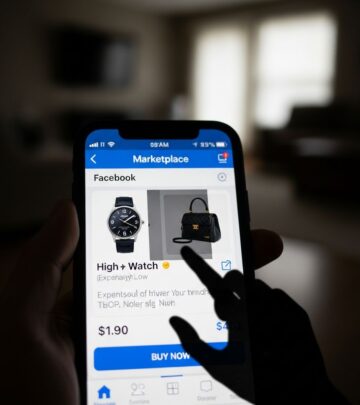
Besides groups, Marketplace suits quick local sales: List with photos, price, details; buyers message directly—no friends needed. Ideal for specialist items; supports shipping but shines locally. Combine with groups for max exposure.
Frequently Asked Questions (FAQs)
Q: Do I need Facebook friends to sell?
A: No, groups and Marketplace connect you directly; mutual friends add safety for big sales.
Q: Are there fees?
A: None for groups; Marketplace is free for local sales.
Q: What sells best?
A: Local-demand items like kids’ gear, tools, furniture—avoid shipping heavies.
Q: How to price?
A: Check comps, price to sell with haggle room; bundles help.
Q: Is it safe?
A: Yes with public meets and vetting; safer than Craigslist per users.
Q: Can I sell worldwide?
A: Groups are local-focused; Marketplace allows broader but local thrives.
Success Tips from Sellers
Sellers rave: Quick sales, no fees, community trust. Combine with Craigslist for exposure; thrift flips yield thousands. Stay active—trends grow, early adopters win.
References
- How to Sell Your Old Stuff on Facebook — Wise Bread. 2010 (evergreen advice, still relevant per ongoing comments). https://www.wisebread.com/how-to-sell-your-old-stuff-on-facebook
- 11 Unusual Ways to Sell Your Stuff — Wise Bread. N/A. https://www.wisebread.com/11-unusual-ways-to-sell-your-stuff
- How to Sell All Your Stuff and Travel the World — Wise Bread. N/A. https://www.wisebread.com/how-to-sell-all-your-stuff-and-travel-the-world
- How I make THOUSANDS OF DOLLARS on Facebook Marketplace — Lavender Clothesline (YouTube). 2024-06-02. https://www.youtube.com/watch?v=TfGfPefxfu8
- DECLUTTER and MAKE MONEY with Facebook Marketplace! — Clean My Space (YouTube). 2025-05-02. https://www.youtube.com/watch?v=-4fFD0UE3Zw
Similar Articles








Read full bio of medha deb