How to Sell Your Kids’ Stuff at a Consignment Sale
Turn your kids' outgrown clothes, toys, and gear into cash with these proven tips for success at consignment sales.
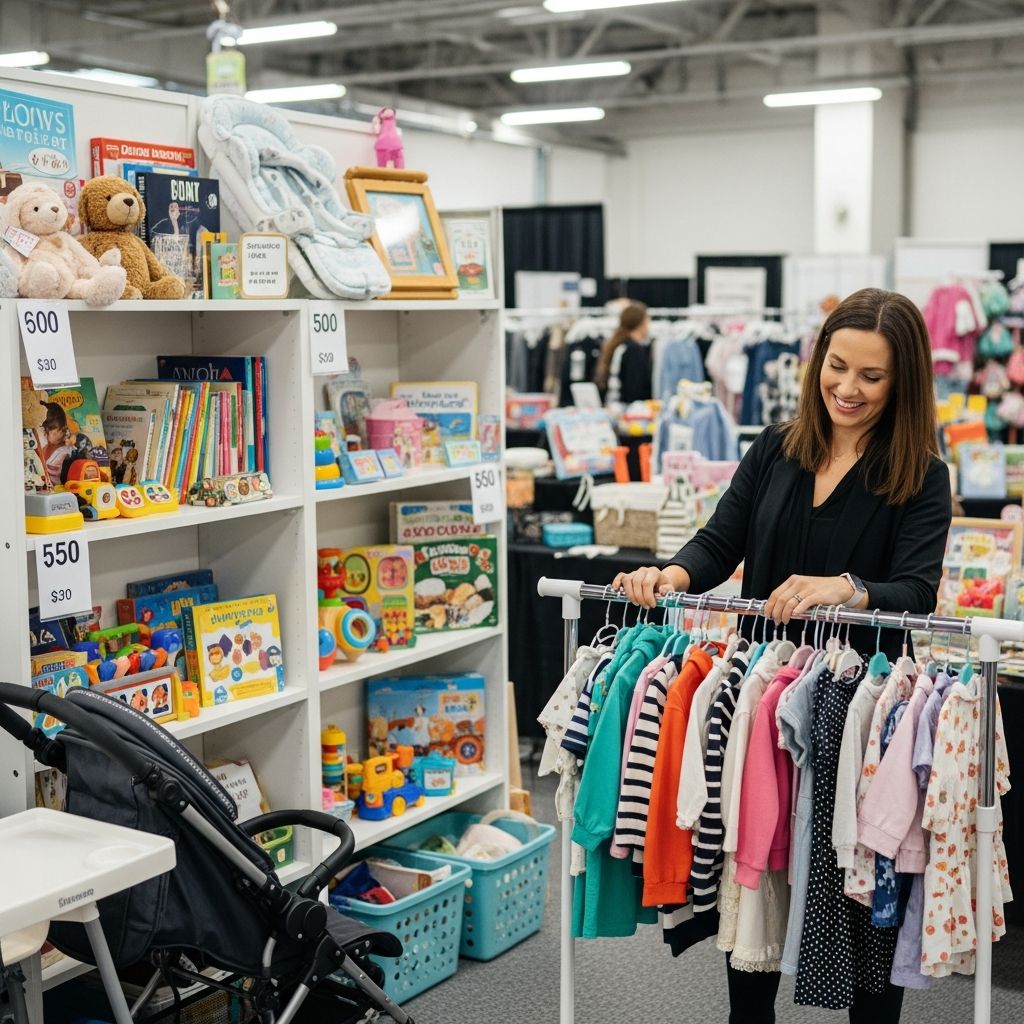
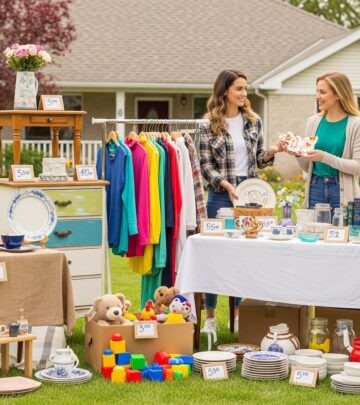
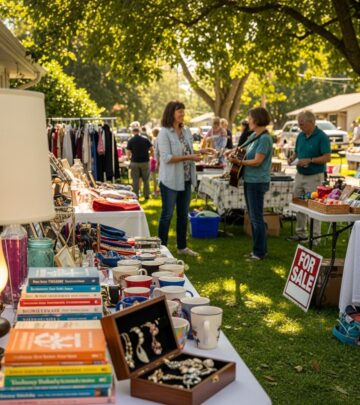
Consignment sales for children’s items offer parents a fantastic opportunity to declutter and earn money from outgrown clothes, toys, books, and gear. These events attract hundreds of bargain-hunting shoppers looking for quality secondhand items at a fraction of retail prices. With proper preparation, you can turn unused baby gear into hundreds or even thousands of dollars. This guide covers every step, from gathering items to picking up your check, drawing on proven strategies from successful consignors.
Find a Sale
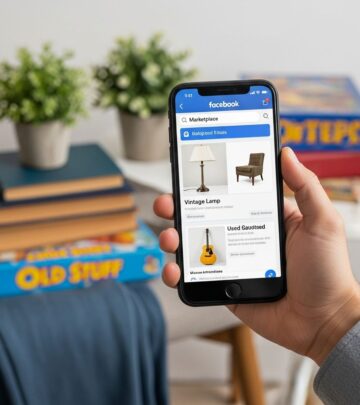
Start by locating consignment sales in your area. Search online for “children’s consignment sale” plus your city or region. Popular platforms like Facebook groups, local mom blogs, and sites such as Macaroni Kid list upcoming events. Church-hosted sales, community centers, and dedicated resale companies run these pop-up events seasonally, often twice a year—spring for summer clothes and fall for winter gear.
Review each sale’s guidelines carefully. Most require registration fees ($10–$40), have specific drop-off times, and enforce strict item condition rules. Some sales are volunteer-based, offering perks like early shopping for helpers. Sign up early, as spots fill quickly. Popular sales can have 500+ consignors and generate over $100,000 in sales.
Gather Your Items
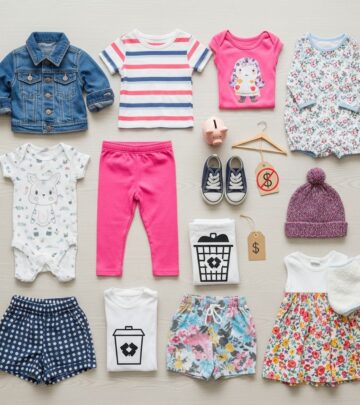
Begin collecting items well in advance—ideally months before the sale. As you do laundry, sort outgrown or rarely worn clothes into dedicated bins labeled by category: “Boys 2T Summer,” “Girls Winter Coats,” “Toys,” “Books.” This ongoing habit ensures you have a stockpile ready when sale time nears.
For toys, rotate them out of play. Box up items unused for 2–3 months; if kids don’t notice, they’re sale-ready. Match loose parts to complete sets. Inspect closets, dressers, and playrooms for forgotten gems like holiday outfits or seasonal gear. Aim for high-demand items: name-brand clothes (Gap, Carter’s, Gymboree), sturdy toys (Little Tykes, Fisher-Price), and big-ticket gear (strollers, cribs).
- Clothes: Focus on gently used, stain-free items in current sizes.
- Toys: Complete sets only; no broken pieces.
- Gear: Car seats (check expiration dates), high chairs, pack-n-plays.
Avoid off-season items like swimsuits at winter sales—they rarely sell and may be rejected.
Prepare Your Items
Cleaning is non-negotiable. Wash all clothes in hot water with Oxiclean or similar to remove stains and odors. Air-dry to prevent shrinkage. For toys, wipe down with disinfectant, install fresh batteries in electronic items, and ensure all parts work. Vacuum fabric toys and polish metal gear like high chairs.
Bundle low-value items to boost appeal: pair matching outfits, group themed books, or bag sock sets. This increases perceived value and speeds sales. For shoes, clean soles and insoles; tie pairs together with ribbon. Hang clothes by size and gender immediately after washing to maintain organization.
| Item Type | Prep Tips | Common Mistakes to Avoid |
|---|---|---|
| Clothes | Wash hot, button/zip all, hang by size | Stains, wrinkles, missing buttons |
| Toys | Clean, complete sets, bag accessories securely | Incomplete puzzles, dead batteries |
| Shoes | Clean, tie pairs, no boxes | Dirty soles, separated pairs |
| Gear | Wipe down, test functionality | Expired car seats, worn mattresses |
Price to Sell
Pricing is crucial—too high, and items linger; too low, and you leave money on the table. The standard rule: 25–40% of original retail price, adjusted for condition and brand. High-demand toys like play kitchens or Little Tykes can go for 1/3–1/2 retail. Price as a buyer: “What would I pay?”
Research similar items at prior sales or online. Most sales set minimums ($3+ per item starting 2024), so bundle cheap pieces. Popular pricing guide:
- Newborn–12M outfits: $4–$8
- Toddler clothes: $3–$6
- Shoes: $5–$12
- Toys: $5–$20
- Strollers: $30–$80
Many sales allow 10–25% discounts at checkout or half-price days. Factor this in—items priced at $6 sell well on half-off for $3.
Enter Your Inventory
Most sales use online portals (e.g., ConsignCloud or custom apps). Create detailed descriptions: not “blue shirt,” but “Gap size 4T blue dinosaur polo, like new.” Upload clear photos showing condition, stains (if any), and details. Enter everything before printing tags to avoid errors.
Group bundled items as one entry. Note brands, sizes, and flaws honestly—cashiers rely on this if tags detach.
Print and Attach Tags
Print tags on cardstock for durability. Cut them out and attach securely:
- Clothes: Safety pins (preferred over tagging guns) in seams.
- Toys/Gear: Transparent packing tape on top, never bottom.
- Shoes: Ribbon through tag holes, tying pairs.
- Bundles: Ziplock bags taped shut.
Include your consignor number, price, size, description, and care instructions. Organize tagged items in bins by size/gender for easy drop-off.
Drop Off Your Items
Arrive at your assigned time slot. Inspectors check condition, tags, and completeness—rejections happen, so over-prepare. Hang clothes on provided racks in size order. Place toys on tables, gear in designated areas. Volunteers may help, but know your inventory.
Some sales require volunteers (4–8 hours); this grants early shopping access.
Shop the Sale
If you’re a consignor (especially a volunteer), shop presale for first dibs on deals. Set a budget—it’s tempting! Many earn enough to cover shopping sprees.
Half-Price Sale (If Applicable)
Opt in unsold items for half-price public days to move leftovers. This boosts sell-through rates to 70–90%.
Pick Up Unsold Items or Donate
Retrieve unsold items post-sale (usually 1–2 days later). Donate for tax receipts—most partner with charities. Track sales via the portal for your payout (typically 60–70% of sales).
Get Paid
Checks mail 1–4 weeks later. Top sellers earn $500–$2,000 per event with 200+ items. Repeat seasonally for steady income.
Frequently Asked Questions (FAQs)
Q: What sells best at consignment sales?
A: Name-brand newborn/toddler clothes, complete toys, strollers, and car seats in excellent condition.
Q: How much can I make?
A: $200–$2,000+ depending on volume; aim for 300+ items.
Q: Do I need to volunteer?
A: Often optional but recommended for early shopping perks.
Q: What if tags fall off?
A: Detailed descriptions allow cashiers to sell anyway; use secure methods.
Q: Can I sell seasonal items?
A: Yes, but match the sale season for best results.
Consignment sales beat online marketplaces for volume and ease—no shipping hassles. Prep thoroughly, price smart, and watch clutter turn to cash!
References
- Tips for Selling Your Gently-Used Kids Items at Consignment Sales — Macaroni Kid Lowell. 2018-approx. https://lowell.macaronikid.com/articles/5825ded0dafd905530a2067c/tips-for-selling-your-gently-used-kids-items-at-consignment-sales
- How to Consign (Overview) — Coastal Kids Consignment. Recent. https://www.coastal-kids.com/manual/how-to-consign/
- Consignment Sale Pricing Reference Guide — Eastern Shore Kids Market. 2018-11. https://easternshorekidsmarket.com/wp-content/uploads/2018/11/Consignment_Sale_Pricing_Reference_Guide-use.pdf
- The ULTIMATE Guide To Kids Consignment Sales — YouTube (Cosmic Deal Heather). 2023-04-28. https://www.youtube.com/watch?v=sG3bH8rMLTY
- How to Tag — TotSwap Kids Consignment Sales. 2024-update. https://totswap.net/consign/how-to-tag/
- Consignor Prep & Guides — Twice Loved Consignment Sales. Recent. https://www.twicelovedkids.com/consignor-prep-guides/
- Tagging Your Items — Growing Kids Sale. Recent. http://www.growingkidssale.com/taggingitems.HTML
Similar Articles








Read full bio of medha deb