How To Sell Your House in 2025: Step-By-Step Guide
Master the home selling process with our comprehensive 8-step guide for 2025.
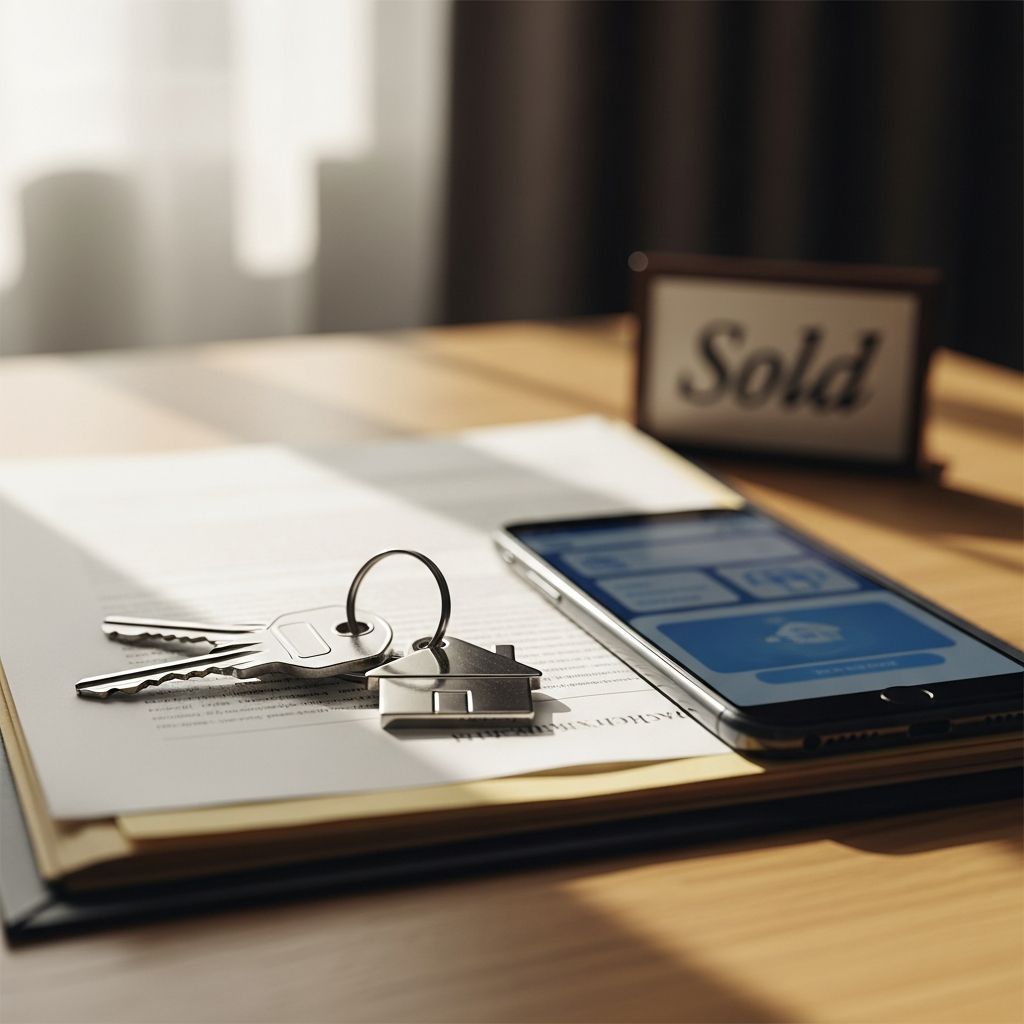
How To Sell Your House in 2025: A Step-By-Step Guide
Selling your home is one of the most significant financial transactions you’ll undertake. In today’s uncertain housing market and economic landscape, it’s essential to be prepared and take control of the factors within your power. Working with a knowledgeable real estate agent and maximizing your home’s appeal can lead to a smoother sale and more money in your pocket at closing. Whether you’re downsizing, relocating, or upgrading to a new property, this comprehensive guide will walk you through the entire home-selling process.
8 Steps to Selling a House Successfully
1. Set a Timeline for Selling Your Home
Before you list your property, establish a realistic timeline. Determine when you need to close the sale and work backward to understand how much time you have for preparation, marketing, and negotiation. Your timeline will influence many of your other decisions, including whether you should pursue a traditional sale or explore faster alternatives like cash buyers or iBuyers. Consider external factors such as market conditions, your personal circumstances, and whether you need to coordinate the sale with purchasing another property.
2. Hire an Agent Who Knows the Market
Selecting the right real estate agent is crucial to your success. Look for an agent with deep knowledge of your local market, a strong track record of sales, and excellent communication skills. A qualified agent will help you understand fair market value, prepare your home for listing, market your property effectively, and navigate the complexities of negotiations and closing. Ask potential agents about their experience, marketing strategies, and how they plan to sell your specific property.
3. Determine What to Upgrade
Not all home improvements offer equal returns when selling. Focus on strategic upgrades that add value and appeal to buyers. Consider making minor repairs and small updates that make your home more attractive without breaking the bank. High-impact improvements might include fresh paint, updated landscaping, new fixtures, or modernized bathrooms and kitchens. Work with your real estate agent to identify which upgrades will provide the best return on investment for your market.
4. Get Your Home Market-Ready
Presentation matters significantly when selling your home. Stage your property to highlight its best features and help buyers envision themselves living there. This includes decluttering, deep cleaning, depersonalizing spaces, and arranging furniture to create an open, inviting atmosphere. Consider minor cosmetic improvements such as fresh paint, updated hardware, or improved landscaping. Many buyers are seeking turnkey homes in mint condition, so investing in preparation can significantly impact both the speed of sale and the final price.
5. Price Your Home Competitively
Pricing your home correctly from the beginning is absolutely crucial. If you overprice, you’ll discourage potential buyers from even viewing your property. If you underprice, you’ll leave money on the table. Your real estate agent will prepare a comparative market analysis, examining similar homes that have recently sold in your area. Look at what comparable properties were listed for and what they actually sold for to understand your local market values. This analysis provides the foundation for setting a competitive asking price that attracts serious buyers while maximizing your proceeds.
6. Market Your Property Effectively
In today’s digital world, effective marketing is essential. Ensure your listing has professional photos and detailed descriptions. Many home searches begin online, so optimize your property’s digital presence across multiple platforms. Consider virtual tours, drone photography, and video walkthroughs. Your real estate agent should have a comprehensive marketing plan that includes digital advertising, open houses, direct outreach to other agents, and traditional marketing methods. The more visibility your property receives, the more potential buyers you’ll attract.
7. Evaluate Offers and Confirm Buyer Financials
When you receive an offer, carefully evaluate it against your timeline, needs, and expectations. Request that all buyers provide a mortgage preapproval letter. As a seller, you have the right to contact the lender directly to verify the buyer’s financial qualification. Understand the details of their financing—including down payment amount, loan program, total borrowing capacity, and any conditions required for final loan approval. This step protects you from deals that might fall through due to financing issues and ensures you’re dealing with qualified buyers.
8. Close the Sale
The closing process involves significant paperwork and legal requirements. You’ll need to sign numerous documents, including the deed transfer, title documents, and closing statements. Be prepared for legal fees and any real estate agent commissions, which will be paid at closing. Review all closing documents carefully before signing. Once everything is executed and the funds are transferred, the sale is complete and your home becomes the buyer’s property. Your agent and attorney will guide you through this final step to ensure everything proceeds smoothly.
Understanding the Home Sale Process
Key Documents You’ll Need
Selling your home requires specific documentation. Your real estate agent will handle most of these, but it’s good to understand what’s involved. Required documents typically include:
– Listing agreement or exclusive right-to-sell contract with your agent- Property disclosure documents revealing any known issues- Comparative market analysis prepared by your agent- Title report and deed information- Mortgage payoff statement- Property tax records- HOA documents if applicable- Inspection reports if you’re offering a pre-sale inspection- Appraisal documents if available
Timeline Expectations
A typical home sale process takes between 30 to 60 days from listing to closing, though this varies by market conditions and specific circumstances. Preparation and staging might require 2-4 weeks. Marketing and showing typically take 2-6 weeks. Negotiations, inspections, and appraisals generally require another 2-4 weeks. The final closing process usually takes 7-10 days. If you need to sell faster, alternative options are available but typically come with trade-offs in price.
Alternative Selling Options
Selling to Cash Homebuyers
If you need to sell quickly, cash homebuyers and iBuyers offer an alternative to traditional agent-assisted sales. These companies make cash offers and close sales rapidly—often in just a few weeks or sometimes even faster. The primary advantage is speed and convenience; you won’t need to make repairs or spend time preparing your home. However, cash offers are typically substantially lower than open-market sales. This option works well if you need to relocate immediately, require immediate cash, or lack time or resources for repairs.
Selling Your House By Owner
Some homeowners choose to sell without an agent to save on commission. However, this approach requires significant effort and expertise. You’ll be responsible for pricing, marketing, showing the property, negotiating offers, and handling all legal documentation. Success depends on your market knowledge, negotiation skills, and ability to market effectively. Most homeowners find the process complex and time-consuming, and many don’t achieve prices comparable to agent-assisted sales. Consult with legal and tax professionals if you pursue this route.
Maximizing Your Home Sale Proceeds
Strategies for Selling Faster and for More Money
Working with an experienced local real estate agent is your best strategy for achieving the highest price. Local agents understand buyer preferences, market trends, and pricing dynamics. Investing in value-adding improvements before listing can yield strong returns. Make minor repairs and cosmetic updates that appeal to the broadest buyer base. Consider offering seller concessions—such as paying a portion of buyer closing costs—to attract more offers and potentially negotiate higher prices.
Addressing Property Issues
If your property needs significant repairs, you have options. You can make repairs before selling and potentially achieve a higher price. Alternatively, you can sell as-is to a cash homebuyer who specializes in properties needing work. Some buyers prefer purchasing homes requiring renovation, especially investors and house-flippers. Your real estate agent can help you determine the best approach based on repair costs versus potential sale price reductions.
Coordinating with a Home Purchase
Buying and Selling Simultaneously
If you’re purchasing another home while selling your current property, careful planning is essential. You can typically use proceeds from your home sale to pay off your mortgage balance and closing costs. As long as your home sells for more than your outstanding mortgage balance, you can clear this debt and put money toward your new purchase. Work with your real estate agent and lender to coordinate timing and ensure your financing aligns with your expected sale closing.
Frequently Asked Questions
Q: How long does it typically take to sell a house?
A: The average home sale takes 30 to 60 days from listing to closing, though this varies significantly by market conditions, property location, and price point. Preparation typically adds 2-4 weeks before listing.
Q: What’s the best way to price my home?
A: Work with a real estate agent to prepare a comparative market analysis examining recently sold similar properties. This provides the most accurate foundation for pricing competitively while maximizing your returns.
Q: Should I make repairs before selling?
A: Make strategic minor repairs and cosmetic improvements that will likely provide good returns. For major repairs, consider whether selling as-is to an investor or cash buyer might be more profitable than fixing and selling traditionally.
Q: Can I sell my house without an agent?
A: Yes, you can sell without an agent, but you’ll be responsible for all marketing, negotiations, and legal documentation. Most homeowners achieve better results working with experienced agents.
Q: What if I still owe money on my mortgage?
A: Yes, you can absolutely sell your home with an outstanding mortgage. Your sale proceeds will pay off the remaining balance, closing costs, and agent commissions before you receive your net proceeds.
Q: How can I sell my house faster?
A: Options include working with an experienced local agent, selling to a cash homebuyer or iBuyer, making strategic improvements, offering seller concessions, and pricing competitively from the start.
Q: What documents do I need to sell my house?
A: Required documents typically include the listing agreement, property disclosures, title information, mortgage payoff statement, tax records, and inspection/appraisal reports when applicable.
Conclusion
Selling your house in 2025 requires careful planning, strategic decision-making, and professional guidance. By following these eight steps—setting a timeline, hiring the right agent, making strategic improvements, preparing your home, pricing competitively, marketing effectively, evaluating offers carefully, and navigating closing—you’ll be well-positioned to achieve the best possible outcome. Whether you’re prioritizing speed or maximum profit, there’s an approach that fits your circumstances. Work closely with experienced real estate professionals, stay informed throughout the process, and make decisions aligned with your personal goals and timeline.
References
- How To Sell Your House in 2025: A Step-By-Step Guide — Bankrate. 2025. https://www.bankrate.com/real-estate/how-to-sell-your-house/
- How To Sell A House By Owner: A Step-By-Step Guide — Bankrate. 2025. https://www.bankrate.com/real-estate/how-to-sell-house-by-owner/
- How To Sell Your House Fast, And Is It A Good Idea? — Bankrate. 2025. https://www.bankrate.com/real-estate/how-to-sell-house-fast/
- Process of Selling Your House For Cash — Bankrate. 2025. https://www.bankrate.com/real-estate/process-of-selling-house-for-cash/
- Documents Needed To Sell A House — Bankrate. 2025. https://www.bankrate.com/real-estate/documents-needed-to-sell-house/
- How to sell your house and buy a new one at the same time — Bankrate. 2025. https://www.bankrate.com/real-estate/sell-your-house-while-buying-another/
Similar Articles








Read full bio of Sneha Tete