How To Sell Your Engagement Ring For The Best Price
Learn smart, practical strategies to sell your engagement ring, understand its value, and choose the best place to sell it confidently.
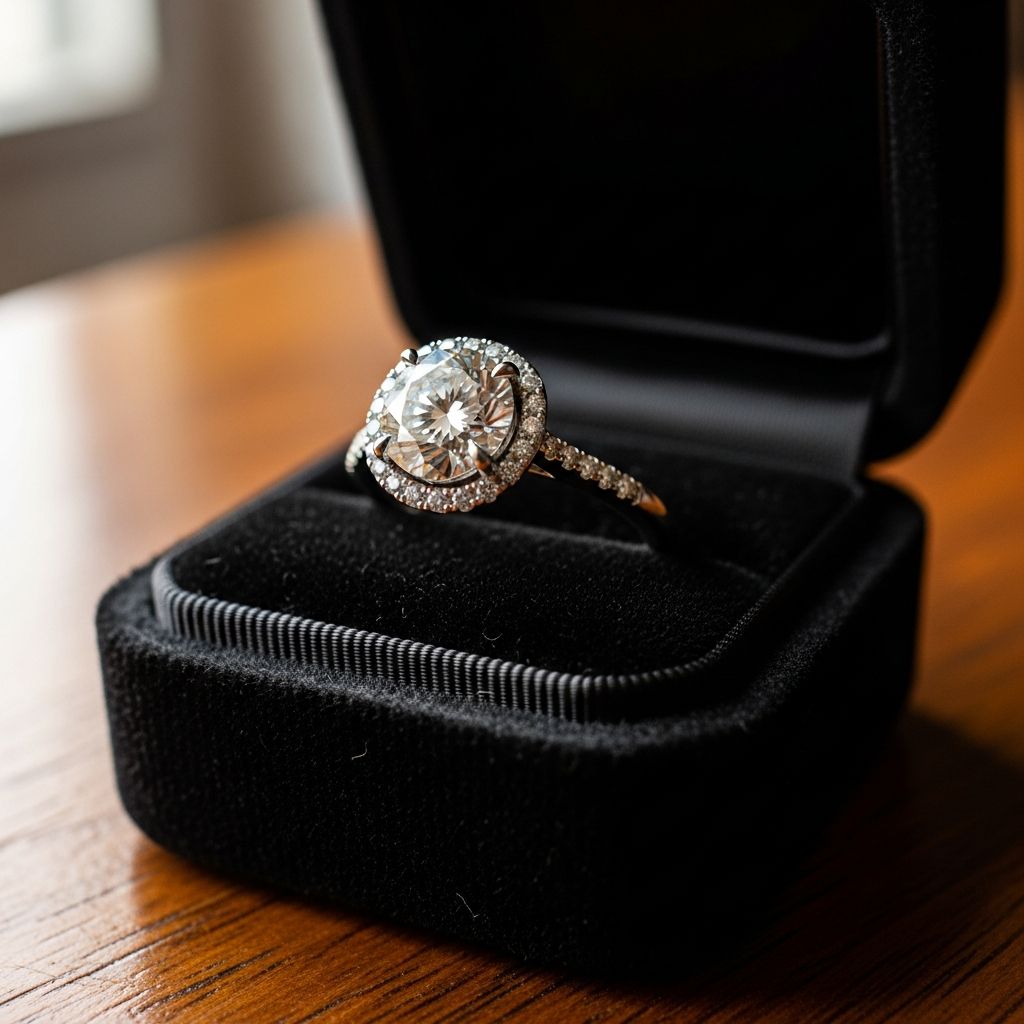
Deciding to sell an engagement ring is often emotional, but it can also be a powerful financial decision. Whether you are moving on after a breakup, updating your jewelry, or redirecting funds toward other goals, understanding how to sell your engagement ring the right way helps you protect your money and your peace of mind.
This guide walks you through what impacts your rings value, how to prepare it for sale, and seven practical places to sell an engagement ring, along with pros and cons for each option.
Before You Sell: Understand What Your Engagement Ring Is Worth
The price you originally paid for your ring and what you can sell it for now are usually very different. Diamond and jewelry resale markets typically offer much less than retail, often only a fraction of what was paid because jewelers and buyers need room for profit, overhead, and risk when they resell your ring.
To avoid disappointment and make informed choices, it helps to understand the key factors that influence your rings resale value.
The 4Cs and Other Factors That Affect Value
Most diamond engagement rings are evaluated using the 4Cs defined by the Gemological Institute of America (GIA): cut, color, clarity, and carat weight.
- Cut: How well the diamond is cut, which affects its sparkle and overall appearance.
- Color: How colorless the diamond is on a standard grading scale.
- Clarity: The presence or absence of internal or external flaws (inclusions and blemishes).
- Carat weight: The size/weight of the diamond, where larger stones are generally more valuable.
In addition to the 4Cs, buyers will also look at:
- Metal type (gold karat, platinum, etc.).
- Ring design and brand (designer or luxury brands often command higher prices).
- Condition (scratches, loose stones, missing stones, or signs of damage).
- Current market demand for diamonds and precious metals.
Retail Price vs. Resale Price
It is common to receive significantly less than the original retail price when reselling a ring. Financial educators often suggest that the resale value of a diamond ring may be a relatively small percentage of what was originally paid, because jewelry stores mark up diamonds over wholesale prices and secondhand buyers cannot pay retail-level prices.
Going in with realistic expectations will make the process less stressful and help you recognize fair offers.
Step 1: Gather All Important Ring Documentation
Before you get an offer, you will want to collect any documents that help prove the quality, authenticity, and history of your ring. Organized paperwork can increase buyer confidence and help you secure better offers.
- Original sales receipt or invoice to show what was purchased and when.
- Diamond grading report from a reputable lab such as GIA or AGS, detailing the 4Cs and other characteristics.
- Previous appraisals for insurance or estate purposes.
- Warranty or authenticity cards, especially for designer or branded rings.
- Original ring box and packaging, which can make the ring more attractive to some buyers.
If you do not have these documents, you can still sell your ring, but you may need to rely more heavily on a new appraisal or valuation to demonstrate the rings qualities.
Step 2: Get a Professional Appraisal (For Insurance & Information)
An appraisal is a detailed statement in writing that estimates the value of your ring for a specific purpose, often insurance. Professional appraisals are typically carried out by credentialed appraisers or gemologists.
Important details about appraisals:
- Insurance appraisals may show a replacement value that is higher than what you paid, and much higher than resale value.
- Appraisals can still be helpful because they document the materials, specifications, and quality of your ring.
- Look for an independent appraiser with recognized credentials from organizations such as the National Association of Jewelry Appraisers or similar professional bodies.
Use the appraisal as one data point, not as your expected sale price. Its main value is information and documentation.
Step 3: Request a Market Valuation
Unlike a formal appraisal, a market valuation focuses on what you are likely to receive if you sell the ring in the current secondhand market. Some jewelry buyers, pawnshops, and online diamond buyers will offer this as part of their buying process.
When getting a market valuation:
- Ask how the buyer calculated their offer.
- Compare offers from more than one buyer, if possible.
- Understand whether the offer is for immediate purchase, consignment, or trade-in.
Market valuations give you a realistic sense of what the ring will bring in cash right now, rather than what it would cost to replace.
Step 4: Clean Your Ring and Take High-Quality Photos
Presentation can make a noticeable difference if you plan to sell online or via a marketplace listing. Clean, clear images help potential buyers feel confident and can lead to faster sales.
- Have the ring professionally cleaned or gently clean it yourself using recommended methods for your stone and metal.
- Photograph in natural light to show sparkle and detail.
- Use a neutral background so the ring stands out.
- Take close-ups of the center stone, setting, hallmark stamps, and any brand logos.
- Include photos of documents such as grading reports or receipts, with sensitive information obscured as needed.
Even if you are selling through a jeweler, having good photos helps you compare the ring over time and keep records.
7 Ways To Sell Your Engagement Ring
Once you understand your rings characteristics and likely resale value, it is time to choose where to sell. Each option has trade-offs among price, safety, speed, and convenience.
| Place to Sell | Typical Pros | Typical Cons |
|---|---|---|
| Local jewelry stores | Safe, professional, quick offers | Offers may be lower than online buyers or private sale |
| Online diamond/jewelry buyers | Convenient, competitive quotes, insured shipping | Must ship ring; payment not instant |
| Pawnshops | Very fast cash, minimal paperwork | Often lower payouts than other options |
| Consignment with jewelers | Potentially higher sale price | Can take months; no guaranteed sale |
| Online marketplaces | Control over price; large audience | Safety risks; more work to manage sale |
| Auction houses | Good for high-end or unique pieces | Fees and commissions; may not be accepted |
| Jeweler trade-in or upgrade | Easy if you are buying another piece | Value often limited to store credit and markups |
1. Sell to a Local Jewelry Store
Many local jewelers purchase pre-owned engagement rings for resale or to reuse the stones and metals.
Pros:
- Face-to-face interaction and immediate feedback on your ring.
- Professional evaluation by someone trained in gemstones and precious metals.
- Payment is usually quick once you accept an offer.
Cons:
- Their offer must leave room for profit, so payouts may be lower than private sales.
- Not all jewelers buy used rings; you may need to visit several.
When visiting jewelry stores, bring your documentation and be prepared to compare more than one offer before deciding.
2. Work With an Online Diamond or Jewelry Buyer
Online diamond buyers and jewelry purchasing companies specialize in evaluating and buying rings from sellers across the country. Many provide insured shipping kits and certified evaluations.
Pros:
- Convenience: start the process from home.
- Insured shipping and structured evaluation processes.
- Potentially competitive offers due to larger resale networks.
Cons:
- You must be comfortable mailing your ring, even if insured.
- Offers are not instant; you may wait several days.
Always check customer reviews, security policies, and payment timelines before shipping your ring to an online buyer.
3. Sell at a Pawnshop
Pawnshops offer quick cash, which can be useful in a financial emergency. They will assess the rings metal and stones and make an on-the-spot offer.
Pros:
- Very fast and straightforward process.
- No need for shipping or complex paperwork.
Cons:
- Offers are often significantly lower than other selling options.
- Pawnshops may focus more on scrap value than designer or sentimental value.
Because of the lower payouts, pawnshops are usually best considered a last-resort option if you need immediate cash.
4. Consign Your Ring With a Jeweler
Consignment allows the jeweler to display your ring and try to sell it on your behalf. You receive payment once the ring sells, minus the jewelers commission.
Pros:
- Potential for a higher final sale price than a direct buy.
- Your ring is marketed by a professional in a retail setting.
Cons:
- There is no guarantee your ring will sell quicklyor at all.
- Commissions and fees reduce your net proceeds.
Ask about consignment percentages, typical time-to-sell, and what happens if the ring does not sell within a certain period.
5. List on Online Marketplaces
Platforms that allow peer-to-peer sales can connect you directly with buyers. This method can work if you are comfortable managing inquiries and meeting safety needs.
Pros:
- You can set your own asking price and negotiate.
- Large audience of potential buyers.
Cons:
- Safety concerns with meeting strangers or shipping valuable items.
- You handle listing, communication, and verification yourself.
Prioritize safety by meeting in public locations, using secure payment methods, and avoiding sharing unnecessary personal information.
6. Sell Through an Auction House
For high-value, antique, or rare engagement rings, an auction house may be a suitable option. Auctions bring together buyers specifically looking for fine jewelry.
Pros:
- Potentially strong sale prices for unique or luxury pieces.
- Professional marketing and presentation.
Cons:
- Not all rings meet the criteria for auction.
- Commission and fees will reduce the final amount you receive.
Discuss estimated sale price, fees, and timeline before consigning your ring to an auction house.
7. Trade In or Upgrade With a Jeweler
Some jewelers offer trade-in or upgrade programs where you apply the value of your current ring toward a new piece. This can be attractive if you want different jewelry rather than cash.
Pros:
- Convenient if you plan to purchase more jewelry from the same store.
- Simplifies the processno need to search for buyers.
Cons:
- Your value may be limited to store credit, not cash.
- Because retail prices are marked up, the trade-in deal might not reflect the true market value of your ring.
Carefully compare what you receive in trade-in value with what you might obtain from an independent sale, especially if you are aiming to maximize cash.
How To Decide Where To Sell Your Engagement Ring
The best place to sell depends on your priorities: speed, convenience, maximum price, or safety. Ask yourself the following questions to guide your decision:
- How quickly do I need the money? If you need funds immediately, a local buyer or pawnshop may be faster than consignment or auction.
- Am I comfortable shipping my ring? If not, focus on in-person options.
- Is my ring a standard design or a rare piece? High-end or unique jewelry may do better at auctions or specialized jewelers.
- Do I want cash or store credit? Trade-ins can work if you already plan to buy new jewelry.
There is no single “right” choice. You can also combine strategies—for example, getting offers from a local jeweler and an online buyer, then choosing the best one.
Emotional and Practical Tips for Selling Your Ring
Selling an engagement ring is often about more than money. It may represent the end of a relationship, a major life change, or a new beginning.
- Give yourself time to process emotions before rushing into a sale.
- Separate sentimental value from market value so you can evaluate offers objectively.
- Consider your financial goals, such as paying off debt, building an emergency fund, or funding a new opportunity.
- Ask a trusted friend or advisor to review offers with you if you feel overwhelmed.
Viewing the sale as a step toward your financial independence can make the process feel more empowering and less painful.
Frequently Asked Questions (FAQs)
Q: Will I get back what was originally paid for my engagement ring?
A: It is unlikely. Retail jewelry prices include markups, so resale offers are typically much lower than the original purchase price. Expect offers based on current wholesale and secondhand market conditions rather than the price on the original receipt.
Q: Do I need a diamond grading report to sell my ring?
A: A grading report from a respected lab like GIA or AGS can help demonstrate the quality of your diamond and support a better offer, but it is not absolutely required. If you do not have one, a buyer may still evaluate the ring based on their own examination.
Q: Is an appraisal the same as what a buyer will pay?
A: No. Appraisals are often used for insurance and may reflect replacement cost, which is higher than what a buyer will pay in the secondhand market. Use appraisals to understand details about your ring, not as a guaranteed sale price.
Q: How can I avoid getting scammed when selling my engagement ring?
A: Work with reputable buyers, check reviews or professional credentials, insist on clear written offers, and be cautious about sharing personal information. For in-person sales, meet in secure locations; for shipping, use insured and trackable methods provided by established buyers.
Q: Should I sell my engagement ring or keep it?
A: This is a personal decision. Consider whether keeping the ring brings you comfort or stress, and compare that to the financial benefits of selling it—such as paying down debt, building savings, or funding other priorities.
References
- Diamond Engagement Ring: What It Is & How to Sell — Diamond Banc. 2023-08-15. https://www.diamondbanc.com/insider-news/diamond-engagement-ring-what-it-is-how-to-sell/
- Understanding Jewelry Appraisals — National Association of Jewelry Appraisers. 2022-05-10. https://www.najaappraisers.com/
- How Much Should You REALLY Spend On A Wedding Ring? — I Will Teach You To Be Rich (Ramit Sethi). 2022-03-01. https://www.iwillteachyoutoberich.com/how-much-should-a-man-spend-on-an-engagement-ring/
- How to Save for and Pay for an Engagement Ring — Feldman’s Wood Jewelers Blog. 2023-02-20. https://www.fwcj.com/blog/how-to-save-for-and-pay-for-an-engagement-ring/
Similar Articles








Read full bio of Sneha Tete