How To Sell Your Car Privately: Complete Step-By-Step Guide
Master the complete process of selling your used car privately for maximum value and minimal hassle with proven steps.
Selling a car on your own can yield higher returns than trading it in, but it requires careful planning and execution. This guide outlines every essential phase, from initial assessment to final handover, ensuring you secure the best deal while protecting yourself legally and financially.
Assessing Your Vehicle’s Readiness
Before listing your car, evaluate its condition thoroughly. Start by reviewing the overall mechanical state. Address any outstanding maintenance issues, such as oil changes or brake servicing, to boost buyer confidence. A well-maintained vehicle commands a premium price.
- Inspect tires for even wear and sufficient tread depth.
- Check fluid levels, battery health, and belts for cracks.
- Test all lights, wipers, and electronics for functionality.
Gather documentation early. Compile service records from mechanics or dealerships, as these prove diligent upkeep. If applicable, include warranty details if transferable. Federal law mandates odometer disclosure, so note the exact mileage accurately.
Obtain a vehicle history report to share transparently. This report reveals past accidents, ownership changes, or title issues, preempting buyer concerns.
Determining a Competitive Market Value
Accurate pricing is crucial to attract serious buyers without underselling. Research comparable vehicles in your area using reputable valuation tools. Factor in mileage, condition, location, and market demand.
| Factor | Impact on Value |
|---|---|
| Low Mileage | Increases value by 10-20% |
| Recent Maintenance | Boosts appeal, adds 5-10% |
| Accident History | Reduces value by 15-30% |
| Market Demand | High-demand models sell faster at premium |
Set an asking price slightly above your target to allow negotiation room. For example, if research indicates $12,000 fair value, list at $13,500. Be prepared to justify your price with data.
Enhancing Visual Appeal for Maximum Attraction
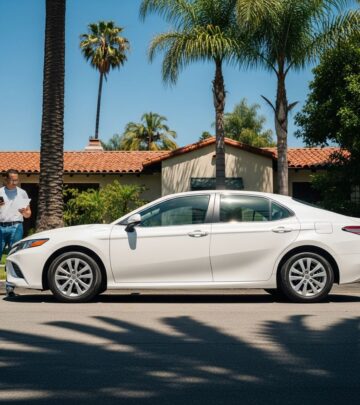
First impressions matter. A clean, shiny exterior draws more inquiries. Wash the car thoroughly, wax the paint, and clean wheels to remove brake dust. Apply tire shine for a polished look.
- Vacuum interior carpets and seats deeply.
- Wipe down dashboards, doors, and consoles.
- Polish windows and mirrors inside and out.
- Remove personal items and odors with fresheners.
Professional detailing costs $100-200 but can increase offers by hundreds. Avoid cheap fixes like heavy air fresheners masking smells, as discerning buyers notice.
Crafting Effective Advertisements
High-quality photos are non-negotiable. Capture 20-30 images in daylight from multiple angles: front, rear, sides, interior, engine bay, and odometer. Highlight unique features like sunroofs or upgrades.
Write compelling descriptions. Start with key specs (year, make, model, mileage, price), then emphasize positives: “Fuel-efficient sedan with new tires and full service history.” Disclose flaws honestly to build trust.
Post on multiple platforms: online marketplaces, classifieds, and social media groups. Include a clear “For Sale” sign with contact info for local visibility. Screen inquiries by phone to gauge seriousness—avoid text-only communicators.
Organizing Safe Test Drives and Meetings
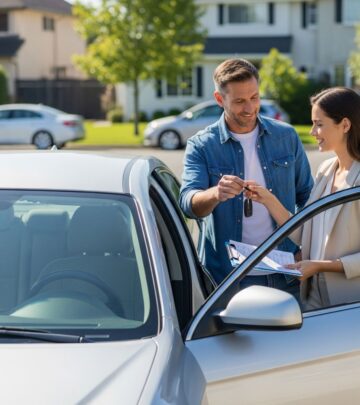
Schedule viewings in public, well-lit areas during daylight. Meet buyers at neutral spots like parking lots. Bring a friend for safety, and verify their identity casually.
During showings, walk buyers around the vehicle, pointing out features and records. Allow test drives only after seeing a driver’s license. Accompany them or follow in another car. Limit drives to 15-20 minutes on familiar routes.
Preempt questions with prepared answers. Have records handy to demonstrate value. If issues arise, note them transparently to maintain credibility.
Mastering Negotiation Tactics
Buyers expect haggling—stay firm but flexible. Know your walk-away price based on research. Counter lowballs politely: “Research shows similar cars at $12,500; here’s why mine merits that.”
Common ploys include feigned inspections revealing ‘issues’ or claiming better deals elsewhere. Respond with facts. Be patient; multiple offers often follow a good ad.
- Never reveal desperation or timelines.
- Use silence after offers to encourage concessions.
- Offer incentives like recent services instead of price cuts.
Securing Payment Safely
Accept only cash, cashier’s checks, or verified wire transfers. Avoid personal checks due to fraud risk. Never take overpayment checks promising refunds—classic scam.
For large sums, meet at your bank to verify funds. Do not hand over keys or title until payment clears fully. If financing, confirm buyer pre-approval.
Navigating Paperwork and Title Transfer
Paperwork varies by state—check your DMV site first. Essential documents include:
- Clean title (no liens) or lienholder payoff instructions.
- Bill of sale detailing price, date, VIN, and signatures.
- Odometer statement.
- Release of liability form (online in most states).
- Smog certificate if required.
If lien exists, contact lender for payoff amount. Use sale proceeds to clear it, then obtain title for buyer. Some states issue temporary permits.
Sign title in designated areas only. Both parties keep bill of sale copies. Submit release of liability promptly (e.g., 5 days in CA).
Finalizing the Handover
Remove plates (stay with seller in most states), personal items, and spare keys. Hand over manuals, keys, and documents. Take photos of the signed paperwork for records.
Notify insurer immediately to cancel coverage. Update DMV on sale to avoid liability for future incidents.
Special Scenarios: Liens, Out-of-State Buyers
For financed cars, coordinate with lender. Accompany buyer to DMV for temp tags if needed, pay off loan post-sale, then mail clear title.
Out-of-state sales require verifying buyer DMV rules. Arrange shipping or escorted drives. Use escrow for distant deals if platform-supported.
Frequently Asked Questions
Do I need a mechanic’s inspection before selling?
Not required, but providing one builds trust and justifies price. Costs $100-150, potentially adding more to sale price.
How long does a private sale typically take?
2-6 weeks on average, depending on price, condition, and market. Well-priced cars sell faster.
What if the buyer wants to finance?
Verify pre-approval. Hold title until loan funds directly to you or escrow clears.
Can I sell without a title?
No—title proves ownership. Bonded titles possible for duplicates via DMV.
Are license plates transferable?
Usually not; seller retains them. Buyer gets new plates post-registration.
Pros and Cons of Private Sales
| Pros | Cons |
|---|---|
| Higher sale price (10-30% more) | More time and effort |
| Control over process | Negotiation hassles |
| No dealer fees | Safety risks in meetings |
| Flexible terms | Paperwork burden |
Private sales suit patient sellers seeking top dollar. For speed, consider dealers.
References
- 10 Steps to Selling Your Car — Edmunds. 2023. https://www.edmunds.com/sell-car/10-steps-to-selling-your-car.html
- How to Sell a Car SIMPLE Step by Step Guide — YouTube (Auto Education Channel). 2023-10-15. https://www.youtube.com/watch?v=ZhrvECoyH8w
- How to Sell Your Car Privately: 5 Tips to Simplify the Process — Cars.com. 2024-05-20. https://www.cars.com/articles/how-to-sell-a-car-privately-456237/
- How to Sell a Car: 10 Steps for Success — Kelley Blue Book. 2024. https://www.kbb.com/car-advice/how-to-sell-a-car-10-steps-for-success/
- How to Safely Sell Car — Progressive Insurance. 2024. https://www.progressive.com/answers/how-to-safely-sell-car/
- 9 Tips on How to Sell Your Car Privately — Travelers Insurance. 2023. https://www.travelers.com/resources/auto/buying-selling/9-tips-on-selling-your-car
Similar Articles








Read full bio of Sneha Tete