How to Select a Charity to Donate to After a Natural Disaster
Smart tips to ensure your donations after disasters reach those in need, avoiding scams and ineffective organizations.
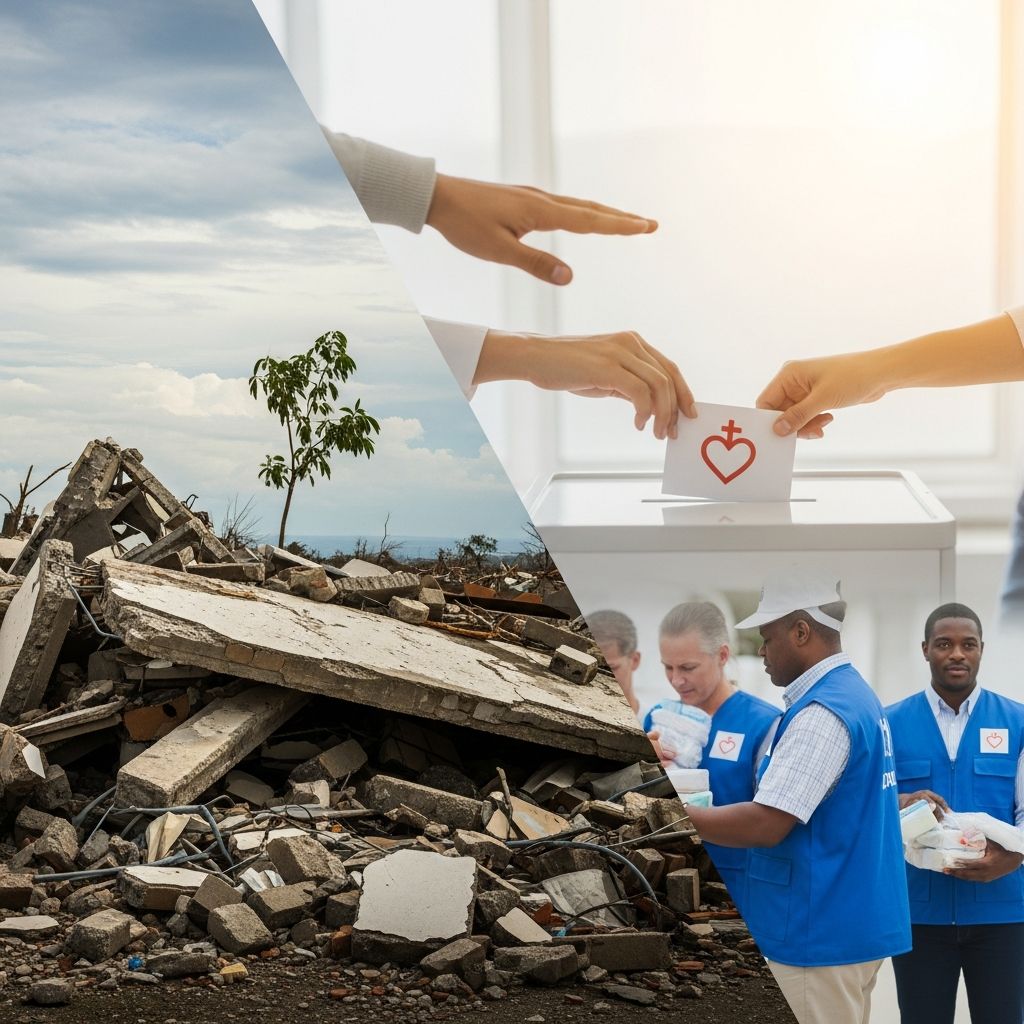
When natural disasters strike—whether hurricanes, wildfires, floods, or earthquakes—the urge to help is immediate and overwhelming. Images of devastation flood our screens, prompting generous donations. However, amid the chaos, scammers exploit this goodwill, and even well-intentioned efforts can fall short. Choosing the right charity ensures your contribution makes a real difference in rescue, relief, and recovery phases. This guide provides actionable steps to vet organizations, maximize impact, and avoid pitfalls, drawing from expert recommendations by bodies like the BBB Wise Giving Alliance.
Understand the Disaster Response Phases
Disasters unfold in distinct phases: rescue, relief, and recovery. Each requires different charitable interventions, and understanding them helps you select organizations equipped for the need.
- Rescue Phase: The first 72 hours focus on life-saving efforts by trained teams, including search and rescue, medical aid, and evacuation. Media coverage peaks here, driving emotional donations. Established charities with pre-positioned resources excel.
- Relief Phase: Following rescue, charities provide essentials like shelter, food, water, clothing, and hygiene kits. Speed is critical; groups with local presence and logistics can respond fastest.
- Recovery Phase: The longest stage involves rebuilding homes, schools, infrastructure, and communities. This can last years, needing sustained funding when media attention fades. Support long-term builders here.
Recognizing these phases guides your giving: immediate cash for relief or ongoing support for recovery.
Give Thoughtfully: Research Before Donating
Don’t donate to the first appeal you see. Take time to verify charities meet high accountability standards. Visit sites like Give.org to check if they adhere to the BBB’s 20 Standards for Charity Accountability, covering governance, finances, and transparency.
- Review how funds address immediate vs. long-term needs.
- Compare multiple organizations; the initial request isn’t always best.
- Proactive research uncovers trusted players with proven track records.
Prefer Established Charities Over New Ones
Newly formed groups may be sincere but often lack infrastructure, experience, and verifiability. Established charities have the capacity for rapid response, logistical networks, and evaluated histories.
| Established Charities | Newly Created |
|---|---|
| Proven track record | Hard to evaluate |
| Existing infrastructure | May lack management |
| Quick deployment | Slower startup |
News mentions responding charities, but verify independently. BBB-accredited disaster relief groups, like those listed on Give.org, are vetted for effectiveness.
Donate Cash, Not Goods
Cash is king in disasters. Charities buy exactly what’s needed at wholesale prices, avoiding storage, sorting, and shipping burdens of physical items.
- Why cash outperforms goods: Dollars stretch further; e.g., bulk procurement beats retail donations.
- Goods often mismatch needs, expire, or clog logistics.
- Flexibility allows adaptation to evolving situations.
Exception: Solicited in-kind donations from trusted lists, but cash remains optimal.
Scrutinize How Donations Will Be Used
Vague appeals are red flags. Demand specifics: Will funds buy supplies, rebuild homes, or provide counseling? Check timelines—quick collections should mean prompt spending.
Look for financial reports showing program expenses over 65-75% of budget (BBB standard). Tools like Charity Navigator or GuideStar provide IRS Form 990s.
Be Skeptical of “100% to Victims” Claims
No charity operates without overhead. Claims of 100% going to aid often use other funds for admin, masking true costs. Seek explanations of how they achieve this.
BBB standards require balanced spending: reasonable fundraising (under 35%) and admin costs.
Handle Crowdfunding and Online Giving Carefully
Crowdfunding surges post-disaster, but risks abound. Platforms vary in vetting; review fees, procedures, and organizer transparency.
- Donate directly to known individuals or verified charities.
- Avoid links in unsolicited emails/texts/social media—type URLs manually to dodge phishing.
- Celebrity fundraisers? Confirm plans and established partners.
Check Tax Deductibility and Family Funds
Not all collectors are 501(c)(3) charities. Verify IRS status for deductibility. Family funds or donor-restricted gifts often aren’t deductible.
In Canada, confirm registered charity status for receipts. Use official directories.
Respect Victims’ Privacy
Ethical fundraisers get family permission before using victims’ names or photos. Crowdfunding posts should disclose this.
Give Over Time, Not Just Immediately
While impulse donations spike early, recovery needs persist months/years. Spread gifts for sustained impact, especially as needs shift to rebuilding.
Top Tips for Disaster Giving
- Use vetted lists from Give.org or BBB.
- Avoid pressure tactics or unverified social media pitches.
- Support year-round preparedness, not just crises.
- Largest BBB-accredited disaster charities handle massive relief effectively.
Frequently Asked Questions (FAQs)
Q: How soon after a disaster should I donate?
A: Immediately for relief is fine if vetted, but plan recurring gifts for recovery phases lasting years.
Q: Are all crowdfunding legitimate?
A: No—check platform policies, organizer history, and donate directly to charities when possible.
Q: Why not donate clothes or food?
A: Cash is more efficient; charities procure better, faster, without logistical headaches.
Q: How do I verify a charity’s finances?
A: Use Give.org, Charity Navigator; ensure high program spending ratios.
Q: What about international disasters?
A: Choose experienced global responders with on-ground presence.
By following these steps, your donations fuel effective aid, honoring both generosity and prudence. Natural disasters test our humanity—wise giving amplifies its reach.
References
- BBB Tip: Charitable giving after a natural disaster or tragedy — BBB Wise Giving Alliance. 2018-11-21. https://www.bbb.org/article/news-releases/24746-bbb-tip-charitable-giving-after-a-natural-disaster-or-tragedy
- Disaster Relief and Preparedness – Cause — Give.org (BBB Wise Giving Alliance). Accessed 2026. https://give.org/causes/disaster-charities
- How to Donate After a Natural Disaster — Consumer Reports. 2017-09-26. https://www.consumerreports.org/charities/how-to-donate-after-natural-disaster/
- Why Donating Money Is the Best Thing You Can Do After a Natural Disaster — Wise Bread. Accessed 2026. https://www.wisebread.com/why-donating-money-is-the-best-thing-you-can-do-after-a-natural-disaster
Similar Articles








Read full bio of Sneha Tete