How to Score an Empty Seat Next to You on Your Next Flight
Master these proven strategies to boost your chances of enjoying extra space and comfort by securing an empty seat beside you on any flight.
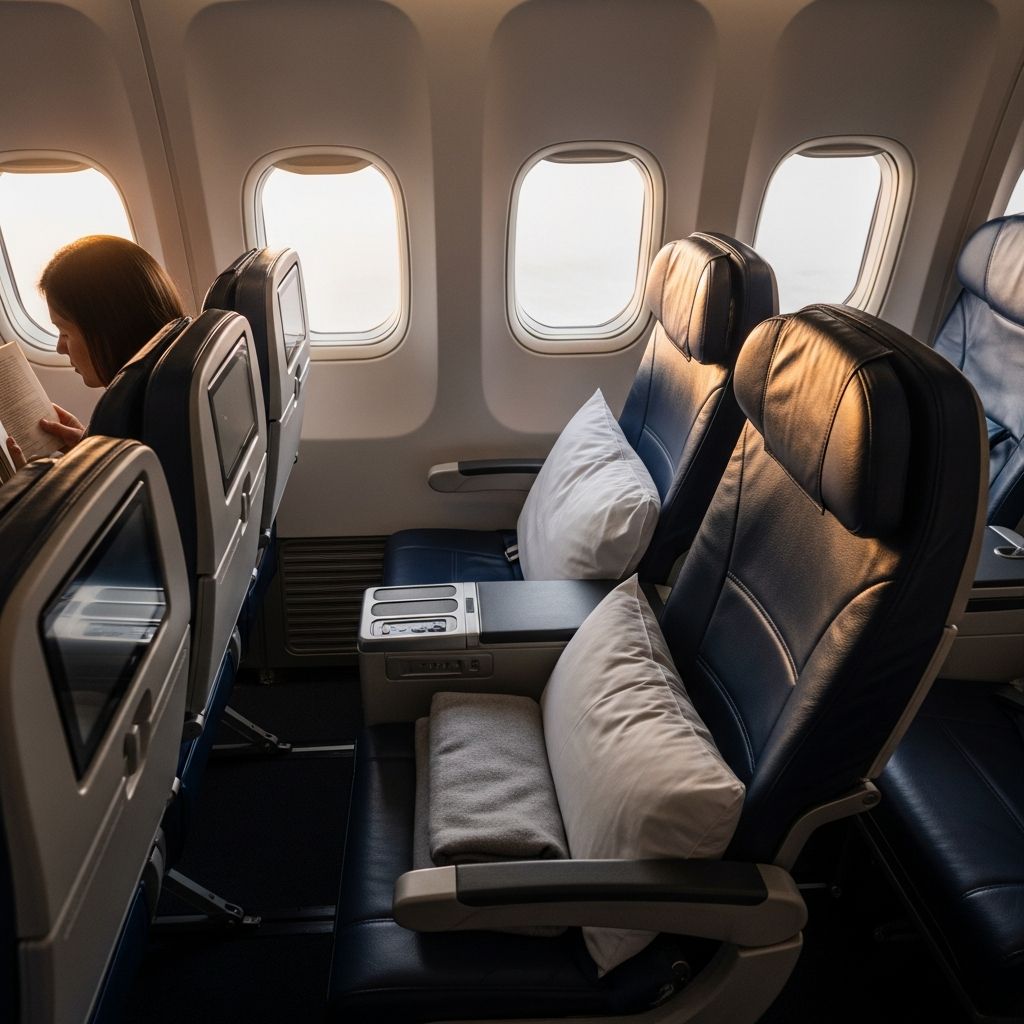
Traveling by air can be cramped, but with the right strategies, you can significantly increase your odds of having an empty seat beside you. Whether flying economy or premium cabins, most flights have some unsold seats, and savvy passengers can position themselves to claim that extra elbow room. This guide covers proven tactics from seat selection to last-minute maneuvers, helping solo travelers and couples alike enjoy more comfort without paying extra.
Understand Passenger Booking Psychology
Most passengers follow predictable patterns when choosing seats, which you can exploit to your advantage. People gravitate toward the front of the plane for quicker boarding and deplaning, prefer aisles and windows over middles, and avoid the rear due to noise and bathroom proximity. Families and groups book together early, filling prime rows, while solo travelers often pick empty rows hoping for luck—but that’s a common mistake.
By going against the grain—selecting rear seats, less desirable spots, or partially booked rows—you position yourself where empty middles are more likely to stay empty. Airlines fill from front to back, left to right, so right-side rear seats often remain available longer.
Choose Seats in the Back of the Plane
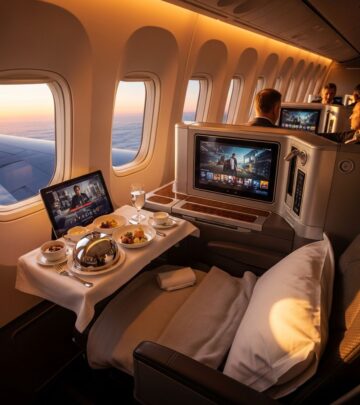
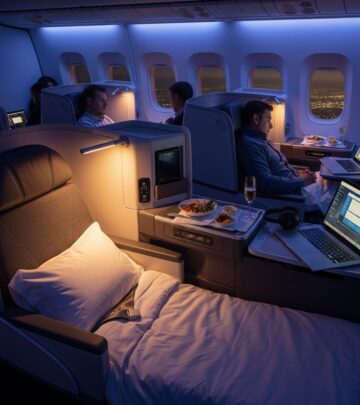
The rear of the aircraft is your best bet for an empty adjacent seat. Passengers avoid back rows because of perceived turbulence, lavatory lines, and galley noise. Data from frequent flyers shows rear cabins, especially in multi-cabin layouts like business class, often stay emptier as crowds fill forward sections first.
- Target the last 5-10 rows: These fill slowest, especially on partially full flights.
- Prefer right side: Booking algorithms assign left-to-right, leaving right-side seats for late bookers.
- Avoid fully empty rows: Couples or groups will snag them together, filling your neighbor spot.
For international flights, this tactic shines: one traveler scored empty seats beside them on 9-hour London routes by picking rear window seats.
Use the Aisle-Window Strategy for Triples
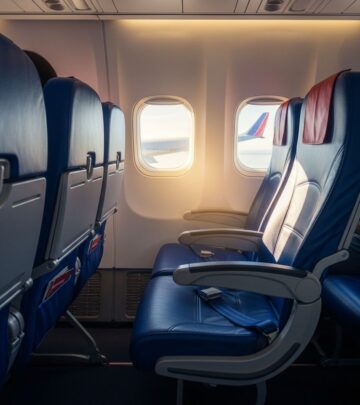
On planes with 3-across seating (common in economy), pick aisle and window seats in the same row, skipping the middle. Solo travelers should choose one end in a row where the opposite end is already taken—this discourages pairs and leaves the middle as the last resort.
Visual breakdown:
| Scenario | Best Pick | Why It Works |
|---|---|---|
| Solo | Window if aisle taken (or vice versa) | Middle is least desirable; row feels ‘claimed’ |
| Couple | Aisle + Window (not adjacent) | Middle stays empty; swap if someone takes it |
| Group of 3 | Rear extremes | Back fills last |
If someone ends up in the middle, offer a swap—they’ll jump at the aisle or window. This low-risk move works 70-80% of the time on underbooked flights.
Monitor and Change Seats Frequently
Don’t set it and forget it. Seat maps evolve as bookings change, cancellations occur, and upgrades happen. Check multiple times: at booking, 24-48 hours pre-flight, and right before check-in closes (45-60 minutes prior for most airlines).
- Book early for preview access.
- Use free tools like airline apps or SeatGuru for maps.
- Reassign to rows with one end booked and middle open.
- Set alerts via ExpertFlyer for preferred configs.
Move backward gradually if your row fills: from front-preferred window to next available rear partial row. Dedication pays off—many report success by checking 3-5 times.
Ask at the Gate Before Boarding
The simplest, highest-impact tactic: Politely inquire with gate agents 30-45 minutes before boarding. They know real-time loads and can reassign to emptier rows or confirm open middles.
- Say: “Any seats with an empty middle available?”
- Time it right: Post-final boarding call but pre-group boarding.
- Elite status helps, but politeness works for all.
No harm if denied; you’ve lost nothing. Gate agents often accommodate nicer requests, especially on oversold flights where no-shows create space.
Strategic Spots to Target
Beyond rear seats, hone in on underchosen areas:
- Near bathrooms/galleys: Odor and traffic deter most.
- Non-reclining seats: Pre-exit row windows (no recline) are shunned.
- Avoid premium rows: Exit/bulkheads fill first for legroom.
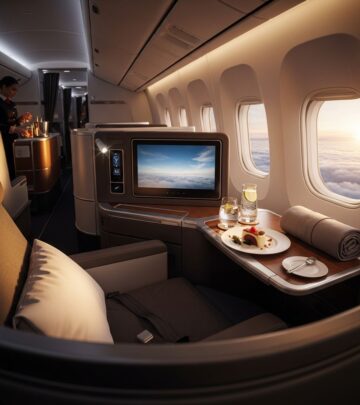
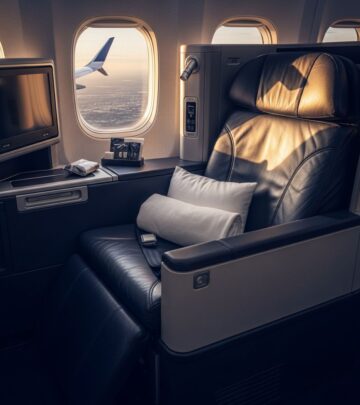
- Business class rears: Forward cabins pack; backs empty out.
Pro tip: On wide-bodies, side sections (e.g., 1-2-2 configs) mimic triples—pick outer seats in partial rows.
During Flight: Swap or Relocate
Boarding reveals the map. If your middle fills, watch for opens post-takeoff. After beverage service (20-30 minutes up), flight attendants allow moves on low loads.
- Scan for empty rows/partial rows.
- Ask crew: “Mind if I switch to that empty seat?”
- Target empties far back or near lavs.
International flights offer more flexibility once settled. Never move pre-takeoff without permission.
Advanced Tips for Frequent Flyers
– Check-in timing: 24 hours out for free seats; earlier if paying.
– Status perks: Upgrades often cascade empties rearward.
– Off-peak flights: Midweek, red-eyes have higher no-show rates.
– Apps/Alerts: SeatGuru for plane details; ExpertFlyer for watches.
Combine tactics: Rear partial row + gate ask + mid-flight scan yields 90% success on 80% full flights.
Frequently Asked Questions (FAQs)
Q: Does this work on full flights?
A: Less reliably, but no-shows (5-10%) create opportunities. Gate ask is key.
Q: What if I’m traveling with a companion?
A: Pick non-adjacent ends; swap if middle fills. Or book partial rows.
Q: Are there apps to guarantee this?
A: No guarantees, but SeatGuru/ExpertFlyer boost odds via maps/alerts.
Q: Does airline matter?
A: Universally effective; best on legacy carriers with free check-in seats.
Q: Safe for international long-hauls?
A: Yes—extra space shines on 8+ hour flights.
Why These Strategies Work
Airlines report 70-90% load factors on average, meaning empties exist. Your edge: Counterintuitive picks exploit human biases. Track records from bloggers and forums confirm 60-80% success rates across thousands of flights. Patience and flexibility seal the deal.
References
- Sit Next To An Empty Seat On A Plane: Tips & Strategy — One Mile at a Time. 2023-10-15. https://onemileatatime.com/insights/sit-next-to-empty-seat-plane/
- How to get a full row of seats on the plane for free — FlyTrippers. 2023-05-20. https://flytrippers.com/get-full-row-seats-plane/
- How to Get an Empty Middle Seat Next to You — AirlineReporter. 2024-01-10. https://www.airlinereporter.com/2024/01/how-to-get-an-empty-middle-seat-next-to-you/
- How to Score an Empty Middle Seat on a Flight — SmarterTravel. 2023-08-05. https://www.smartertravel.com/how-to-block-the-middle-seat-on-a-plane/
- Can you move to an empty seat on a flight? — Booking.com Guides. 2024-02-12. https://www.booking.com/guides/article/flights/can-you-move-to-an-empty-seat-on-a-flight.html
- How to Get an Empty Seat Next to You on International Flights — YouTube (Aaron Abroad). 2023-11-18. https://www.youtube.com/watch?v=tXEF9Iwy-TA
Similar Articles








Read full bio of Sneha Tete