How to Save on Summer Garden Flowers
Get big, beautiful blooms while sticking to a little, tiny budget with these frugal gardening tips for summer flowers.
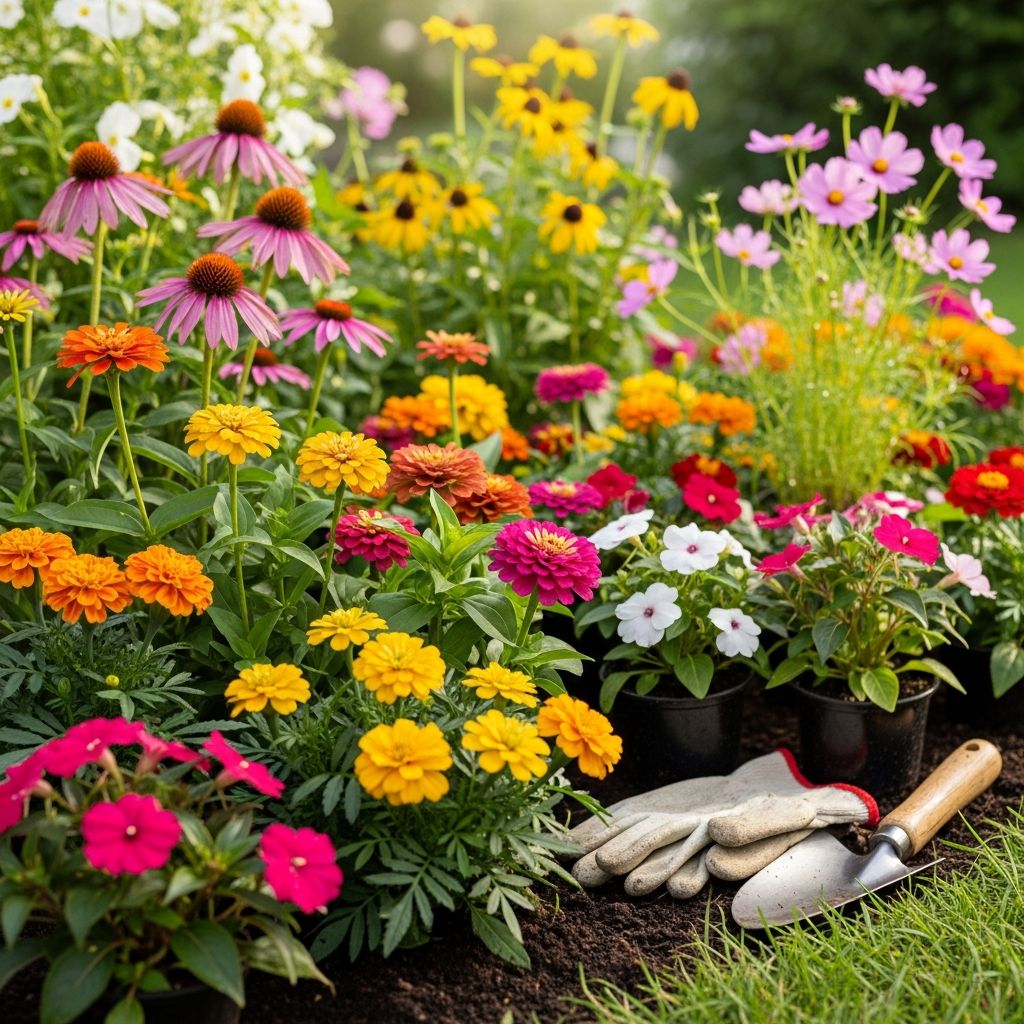
Creating a stunning summer garden filled with vibrant flowers doesn’t have to drain your wallet. With smart strategies like buying seeds instead of plants, propagating from cuttings, and leveraging community swaps, you can achieve lush blooms affordably. This guide covers proven frugal tactics drawn from gardening experts to help you maximize beauty while minimizing costs.
Buy Seeds Instead of Plants
One of the simplest ways to slash gardening expenses is opting for seeds over mature plants. Seeds cost a fraction of seedlings or potted flowers—often pennies per packet—allowing you to grow dozens of flowers for the price of one nursery plant. Look for sales at the end of summer when garden centers discount leftover packets for next year’s planting.
Heirloom and unusual varieties are frequently available only as seeds, giving your garden unique flair without premium prices. Plant them indoors early for transplants, or direct-sow hardy annuals like zinnias, cosmos, and sunflowers once soil warms. This method not only saves money but builds your green thumb skills.
- Pro Tip: Store seeds in a cool, dry place; many remain viable for years.
- Choose easy bloomers: Marigolds, nasturtiums, and sweet alyssum thrive from seed and attract beneficial insects.
- Buy in bulk online or at discount stores for even bigger savings.
Propagate from Cuttings
Turn one plant into many by propagating cuttings from friends’ gardens or your own perennials. Herbs like rosemary and lavender root easily in water or soil, producing free new plants cheaper than store-bought. Use rooting hormone for faster success rates.
Take 4-6 inch stem cuttings in spring or summer, strip lower leaves, and dip in hormone powder. Plant in moist potting mix under plastic for humidity. Roots form in weeks, yielding blooms by summer’s end. This zero-cost method expands your flower collection exponentially.
- Best for: Lavender, rosemary, salvia, and hardy perennials.
- Save pots by rooting in recycled bottles halved lengthwise.
Participate in Seed and Plant Swaps
Community swaps are goldmines for free or low-cost flowers. Organize neighborhood events where everyone starts seeds or cuttings and trades varieties. For the cost of one or two packets, end up with diverse blooms like Italian heirlooms or rare perennials.
Check local gardening clubs, Facebook groups, or farmers’ markets. Even garage sales offer potted flowers dirt-cheap. Late-season clearances yield healthy perennials for next year’s display—plant them now to establish roots before frost.
- Swap Success: Theme it, e.g., ‘summer annuals’ for zinnias, petunias, and dahlias.
- Bring extras to trade up for high-value plants.
Shop End-of-Season Sales
Garden centers slash prices on unsold plants in late summer—up to 75% off. Perennials past bloom but with healthy foliage transplant well and return stronger next season. Annuals can still provide fall color if revived quickly.
Hit big-box stores, nurseries, and online sales. Focus on pots with firm stems and roots; avoid wilted ones. Pot them up immediately with proper watering to recover. This tactic stocks your garden for pennies.
Use Household Items for Fertilizer and Soil Amendments
Ditch pricey fertilizers with kitchen scraps. Coffee grounds and tea bags acidify soil for azaleas, rhododendrons, and blueberries—sprinkle ¼ inch monthly. Crushed eggshells add calcium, deterring pests and preventing rot; line planting holes with them.
Milk’s calcium nourishes most flowers; dilute 1:1 with water weekly. Diet or club soda provides nutrients for greener growth—use sparingly on foliage. These hacks cut fertilizer bills to zero while boosting blooms.
- Eggshells: Rinse, crush, and bury around bases.
- Coffee grounds: Mix into topsoil; avoid over-aciding.
- Milk: Organic preferred to skip antibiotics.
Improve Drainage and Planting Hacks
Poor drainage kills flowers fast. Line pots with coffee filters to retain soil while allowing water escape, then layer packing peanuts or rocks for lightweight drainage. Halve lemons, hollow them, poke drainage holes, and plant seeds inside for nutrient boost—transplant whole to garden.
For pots, alternate peanuts and soil layers to keep them movable. These tricks prevent root rot in summer heat, ensuring vigorous flowering.
Water Efficiently to Save Money and Plants
Water at dawn or dusk to minimize evaporation and leaf burn, conserving up to 30% more. Use greywater from baths or veggie boiling (cooled) on flowers. In dry climates, choose drought-tolerant varieties like lavender, sedum, and yarrow to slash bills long-term.
Create mini-greenhouses with halved soda bottles over seedlings for warmth and moisture retention. Collect rain in barrels for free irrigation.
- Drought hacks: Mulch heavily with free wood chips or straw.
- Group thirsty plants together for efficient hose watering.
Attract Pollinators and Pest Control Naturally
Boost blooms by drawing bees and beneficial bugs. Plant zinnias, nasturtiums, calendula, cosmos, and sweet alyssum amid flowers—they lure predators that devour aphids and hornworms. Marigolds repel rabbits, squirrels, and more.
Hand-pollinate with an electric toothbrush on blossoms if pollinators are scarce, ensuring fruit-set on flowering edibles. Skip chemicals for healthy ecosystems.
Start Small and Plan Sunlight Needs
Begin with a small bed or containers to avoid overwhelm. Map sunlight hours—morning sun/shade afternoon suits many flowers. Trellis climbers like morning glories over partial-shade lovers for custom shade.
Pinch early flowers on new plants to build roots for bigger later blooms, especially tomatoes or flowering veggies.
| Sunlight Needs | Recommended Flowers |
|---|---|
| Full Sun (6+ hours) | Sunflowers, zinnias, marigolds |
| Part Shade (4-6 hours) | Impatiens, begonias, hostas |
| Shade | Ferns, astilbe |
Grow from Kitchen Scraps
Regrow green onions in water on windowsills, then plant out for edible flowers. Base cuttings root fast, providing quick wins even for beginners.
Frequently Asked Questions (FAQs)
Q: What’s the cheapest way to start a flower garden?
A: Buy seeds on end-of-season sale and propagate cuttings—costs under $10 for dozens of plants.
Q: How can I get free plants?
A: Join seed/plant swaps or take cuttings from friends’ gardens with permission.
Q: Do coffee grounds really help flowers?
A: Yes, for acid-lovers like azaleas; use sparingly to maintain soil pH.
Q: Best drought-tolerant summer flowers?
A: Lavender, salvia, coreopsis, and blanket flower thrive with minimal water.
Q: How to water flowers without wasting money?
A: Early morning/dusk, mulch, and use collected greywater or rain.
DIY Containers for Chic Savings
Repurpose wooden wine crates as raised flower beds—line with plastic, fill with soil, plant annuals. Compost at season’s end for zero waste. Garage sale pots or thrifted urns add style cheaply.
These strategies ensure a profusion of summer flowers on a shoestring. Start small, experiment, and watch your garden—and savings—grow.
References
- How to Turn Your Black Thumb Green — Wise Bread. 2010-approx. https://www.wisebread.com/how-to-turn-your-black-thumb-green
- 9 DIY Landscaping and Gardening Skills That Will Save You Money — Wise Bread. 2010-approx. https://www.wisebread.com/9-diy-landscaping-and-gardening-skills-that-will-save-you-money
- Saving the Planet – One Drop at a Time — Wise Bread. 2010-approx. https://www.wisebread.com/saving-the-planet-one-drop-at-a-time
- Hot Today | Wise Bread — Wise Bread. N/A. https://www.wisebread.com/popular/topic/personal-finance/popular/about/bestdeals/topic/career-and-income/about?page=488
- Save Money and Water With These 6 Clever Landscaping Hacks — Wise Bread (PDF). N/A. https://archive.lsol.com/LSOLDVD/members/emag/uploads/1/Save_Money_and_Water.pdf
- How to Save Big Money on Next Year’s Lawn and Garden — Wise Bread. 2010-approx. https://www.wisebread.com/how-to-save-big-money-on-next-year-s-lawn-and-garden
- How Many Will Lose Money on Those “Frugal” Gardens This Year? — Wise Bread. 2010-approx. https://www.wisebread.com/how-many-will-lose-money-on-those-frugal-gardens-this-year
Similar Articles








Read full bio of medha deb