How to Save on National Park Visits in 2026
Discover proven strategies to cut costs on national park adventures, from passes to free days and smart planning for budget travelers.
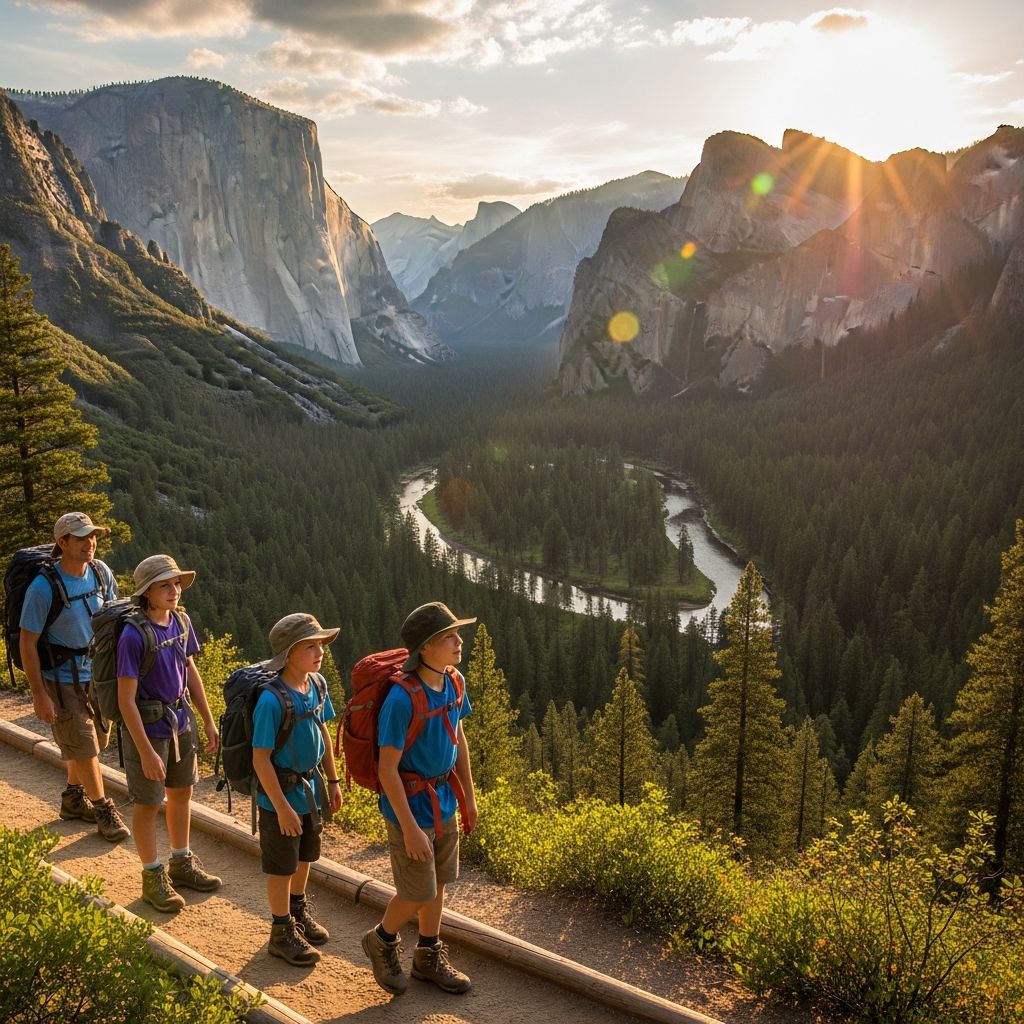
National parks offer breathtaking landscapes and unforgettable experiences, but entrance fees, camping costs, and gear can add up quickly. While fee-free days are limited, smart strategies like annual passes, discounts, and off-peak planning can slash expenses significantly, making park visits accessible for every budget.
Purchase an Annual Pass
The
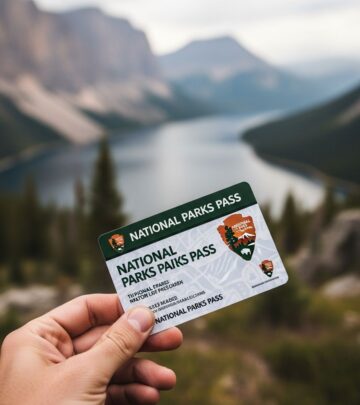
America the Beautiful – National Parks and Federal Recreational Lands Pass
is the top way to save for frequent visitors. Priced at $80, this annual pass grants access to over 2,000 federal recreation sites, including all 63 national parks, plus national forests, wildlife refuges, and more. For families or groups hitting multiple parks, it pays for itself after just two or three visits—many parks charge $30-$35 per vehicle entry.Options include the Senior Pass ($20 lifetime or $80 annual for ages 62+), Access Pass (free lifetime for those with permanent disabilities), and Military Pass (free for active duty and dependents). Buy online via USGS Store or at park entrances. Pro tip: Share the pass among household members for vehicle entry to maximize value.
- $80 Annual Pass: Covers unlimited entry for pass holder and passengers in a non-commercial vehicle.
- Family savings example: Four $35 park visits = $140; pass saves $60 net.
- Extended coverage: Includes BLM lands and USFS sites for broader adventures.
Take Advantage of Fee-Free Days
Each year, the National Park Service designates a handful of
fee-free days
when entrance fees are waived at over 400 sites. In recent years, these align with holidays like Martin Luther King Jr. Day, National Public Lands Day, and Veterans Day. Expect around four days in 2026—check NPS.gov for the official list closer to the date.These days draw crowds, so arrive early and focus on less-visited parks. Combine with free ranger programs or hikes to stretch your trip without extra costs. Note: Fees for camping, tours, or concessions still apply.
- Plan multi-park road trips around these dates for maximum savings.
- Avoid peak summer weekends to dodge lines.
Get Discounts for Seniors, Military, and More
Eligible groups enjoy steep discounts.
Seniors (62+)
get 50% off site-specific passes and an $80 annual or $20 lifetime Senior Pass.Military personnel
(active, veterans, Gold Star families) receive free annual or lifetime passes with ID.Fourth graders
get free access via the Every Kid Outdoors pass—downloadable online for homeschoolers too.| Group | Discount/Pass | Cost | Details |
|---|---|---|---|
| Seniors (62+) | Senior Pass | $20 lifetime / $80 annual | 50% off amenities like camping |
| Military/VA | Military Pass | Free | Active duty, reserves, veterans |
| 4th Graders | Every Kid Pass | Free | Printable voucher, family entry |
| America 250 | Free 2026 entry | Free | Semiquincentennial parks (select sites) |
Visit in the Off-Season or Shoulder Months
Park fees don’t fluctuate, but crowds, lodging, and gas prices do. Travel in
shoulder seasons
(spring/fall) or winter for fewer visitors and lower ancillary costs. Many parks like Yellowstone or Yosemite offer year-round access with stunning solitude—snowshoeing in Rocky Mountain National Park is magical and cheap.Off-peak perks: Cheaper nearby hotels, available campsites, and wildlife viewing bonuses (e.g., summer dry seasons in some parks mimic low season elsewhere). Avoid July-August peaks when prices spike 20-50% for campsites and shuttles.
- Spring (April-June): Wildflowers, milder weather.
- Fall (Sept-Nov): Foliage, hunting season closures in some areas.
- Winter: Fewer than 10% of visitors, free ranger-led snow activities.
Camp Instead of Staying in Lodges
Park lodges average $200+/night, but
camping
costs $10-30/night. Reserve via Recreation.gov up to six months ahead—popular sites like Yosemite’s fill instantly. Backcountry permits are often $5-15 plus free quotas.Free options: Dispersed camping on adjacent BLM/USFS lands (check Motor Vehicle Use Maps). Pack lightweight for savings—borrow tents or stoves from friends to avoid $100+ buys. Pro: Immersive experience; con: Weather prep required.
- Frontcountry sites: Amenities like water, $20 avg.
- Backcountry: Self-supported, minimal fees.
- Boondocking: Free primitive sites outside parks.
Borrow or Rent Gear Instead of Buying
Outfitting costs $500+ for basics (tent, bag, pack).
Borrow
from friends, REI Co-op members (free day loans), or libraries with gear programs.Rent
from REI ($20-50/weekend) or local outfitters—ideal for one-offs. Clearance sales at REI/Dick’s yield 60% off (e.g., $300 tent for $99).Share group gear: One stove, shared tent. Pack carry-on only for flights to skip baggage fees ($60 savings).
- Borrowlist: Sleeping bag ($100 save), water filter ($50).
- Rent packs/tents for multi-day hikes.
- Buy used on Facebook Marketplace.
Pack Your Own Food and Snacks
Park concessions charge 2x grocery prices ($15 sandwich). Prep meals ahead: Freeze-dried pouches from Walmart ($5-8 vs. $12 in-park), nuts/jerky, no-cook options like PB&J. Use bear canisters (rent $5) for safety.
Water: Fill at visitor centers, use filters ($20 one-time). Campfire permits free; cook efficiently to minimize fuel.
- Weekly savings: $100+ for a family of four.
- Meal ideas: Oatmeal breakfasts, tuna wraps lunches, dehydrated dinners.
Enter on Foot, Bike, or Motorcycle
Per-vehicle fees ($35 avg) cover all passengers, but
per-person fees
($20/adult) apply for pedestrians/bikes. Enter via trailheads outside parks (free parking) or motorcycle ($15-20). Kayak/paddleboard entries sometimes waive vehicle fees.Hack: Park outside and shuttle/walk in—Yosemite’s gateway towns offer free lot parking.
Use Public Transportation and Shuttles
Skip car rentals/gas: Amtrak buses to parks like Grand Canyon, YARTS shuttles in Yosemite ($8-25/day unlimited). Free park shuttles loop popular areas, reducing mileage. Apps like Rome2Rio plan routes.
Look for Free or Low-Cost Ranger Programs
**Ranger-led programs** are free: Guided hikes, stargazing, junior ranger badges. Check park newspapers or apps for schedules. Evening campfire talks build knowledge without cost.
Combine Visits With Nearby State Parks or Free Sites
State parks mimic national ones for $5-10 entry (e.g., Utah’s state parks near Zion). Free BLM trails adjoin parks—hike cross-boundary for variety.
Frequently Asked Questions (FAQs)
Q: How much does the national parks annual pass cost?
A: $80 for the standard America the Beautiful Pass, covering one year and 2,000+ sites.
Q: Are there truly free days in national parks?
A: Yes, typically 4-6 per year on holidays; confirm on NPS.gov.
Q: Can I use the annual pass for camping fees?
A: No, it covers entry only; 50% off some amenity fees for seniors.
Q: What’s the cheapest way to gear up for camping?
A: Borrow from friends/REI, rent locally, or buy clearance—save 50-80%.
Q: Do kids enter free?
A: Under 16 yes with adults; 4th graders get free family pass.
Plan Ahead for Maximum Savings
Budget your trip: Tally entry ($80 pass), camping ($200/week), food ($100), gas ($150). Total under $600/person for a week vs. $1,500+ lodging-style. Track via apps like AllTrails or NPS app. 2026 marks America 250—expect special free events at historic parks.
With these tips, national parks become affordable gateways to nature. Start planning—your wallet and wilderness await!
References
- Fee-Free Days — National Park Service. 2025-10-01. https://www.nps.gov/planyourvisit/fee-free-days.htm
- America the Beautiful Pass — U.S. Geological Survey. 2025-12-01. https://store.usgs.gov/pass/
- Recreation.gov Camping Reservations — U.S. Department of Interior. 2025-11-15. https://www.recreation.gov/
- Senior and Access Passes — National Park Service. 2025-09-20. https://www.nps.gov/planyourvisit/passes.htm
- Every Kid Outdoors — U.S. Department of Interior. 2025-08-10. https://everykidoutdoors.gov/
- Military Pass Program — National Park Service. 2025-07-05. https://www.nps.gov/planyourvisit/veterans-and-gold-star-families.htm
Similar Articles








Read full bio of medha deb