19 Ways To Cut Heating Costs This Winter And Save $500-1,500
Discover 19 practical strategies to drastically cut your winter heating costs while staying cozy and comfortable at home.
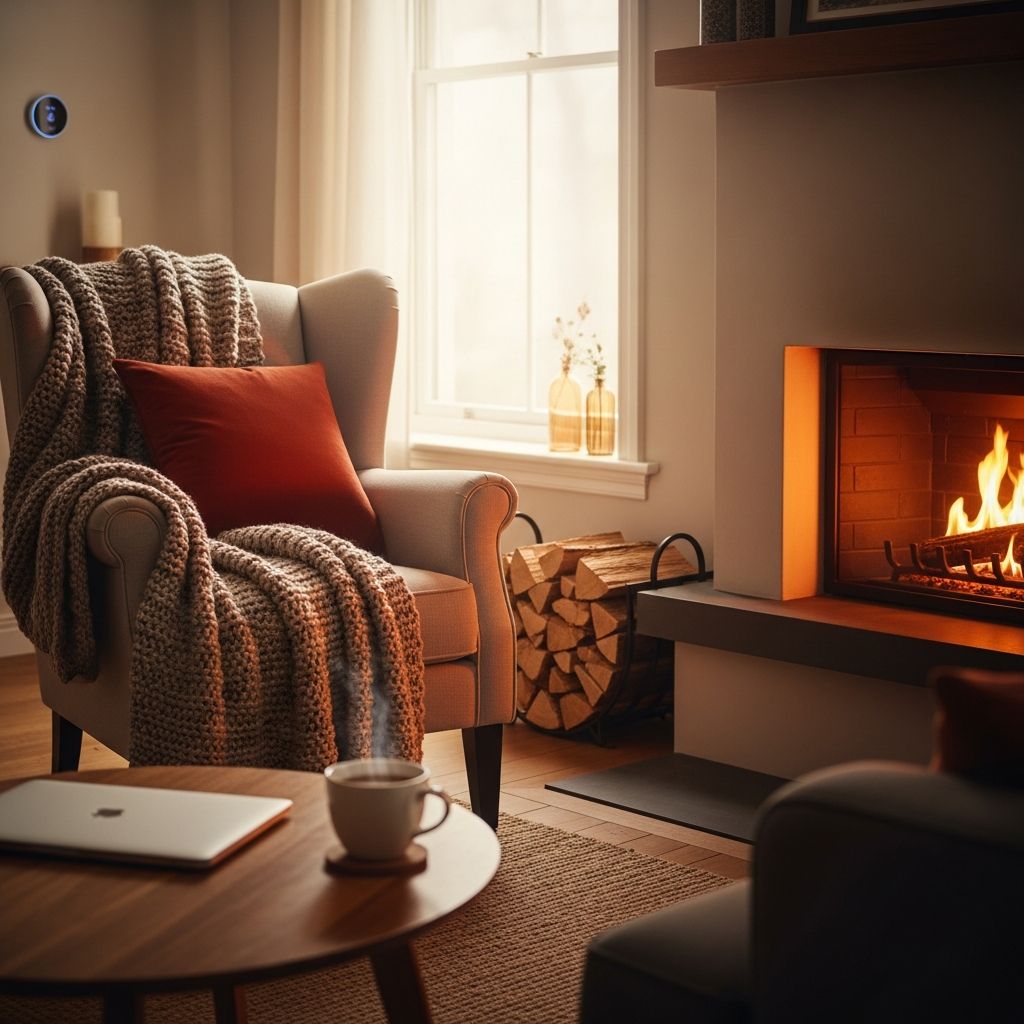
The winter season brings dramatic swings and widespread wintry weather, as forecasted by the 2025 Farmer’s Almanac. With soaring prices on food, gas, and utilities, finding ways to lower heating costs is essential to stay warm without breaking the bank. Preventive maintenance and simple fixes can significantly reduce your home heating expenses. Here are 19 proven ways to cut your heating bill this winter, drawing from energy efficiency best practices recommended by the U.S. Department of Energy and other experts.
1. Change Air Filters and Keep Vents Clean
A dirty air filter restricts airflow, forcing your furnace to work harder and use more energy. Replacing or cleaning your furnace filter every 1-3 months can lower heating costs by up to 5%.
- Locate your furnace filter, typically in the return air duct or blower compartment.
- Check it monthly during peak heating season.
- Use high-efficiency pleated filters for better performance, but replace them more frequently if needed.
Keep heating vents clear of furniture, rugs, and debris to ensure even heat distribution. Blocked vents can increase energy use by 10-20% as the system compensates unevenly.
2. Adjust the Thermostat Throughout the Day
Lowering your thermostat by just 1 degree can save 1-3% on heating costs. Program it to drop 7-10 degrees for 8 hours a day when you’re asleep or away.
- Set to 68°F during waking hours.
- Lower to 60-64°F at night or when out.
- Avoid rapid swings; gradual changes are most efficient.
This simple habit alone can save hundreds annually for average households.
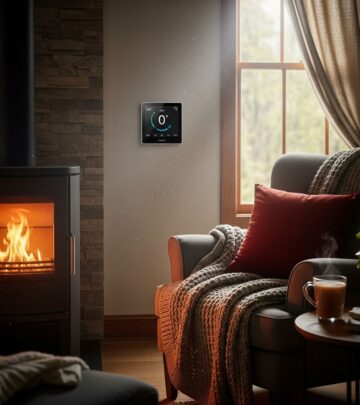
3. Invest in a Programmable or Smart Thermostat
If you don’t have one, a smart thermostat like Nest pays for itself quickly. They offer zonal and timed control, saving 12% on heating bills on average, per Department of Energy data.
- Models start at $80 and install in under an hour.
- App control allows remote adjustments.
- Energy Star-rated ones save up to $180 yearly on combined heating/cooling.
For multi-zone homes, they optimize heat only where needed.
4. Lower the Hot Water Heater Temperature
Factory default is 140°F, wasting $36-$61 yearly. Set to 120°F for safe, efficient hot water.
- Electric or gas models both benefit.
- Turn off the power/gas first for safety.
- Monitor for sediment buildup post-adjustment.
This tweak reduces standby losses significantly.
5. Insulate Your Water Heater
An insulating jacket ($30-$40) cuts heat loss by 7-16%, saving $30-$70 yearly on average $438 water heating costs.
- DIY install in 1 hour.
- Consider heat pump water heaters for $550+ annual savings over standard electrics.
- Recoup investment in under 3 years.
Pipe insulation ($10-$15) adds 3-4% more savings.
6. Run Electric Heaters During Off-Peak Hours
Many utilities charge less at night. Use space heaters safely then to avoid peak rates.
- Check your utility’s time-of-use plan.
- Never leave unattended; tip-over protection is key.
- Saves a few bucks per use but adds up monthly.
7. Insulate Hidden Areas Like Pipes and Fixtures
Cold air seeps through uninsulated spots behind sinks and toilets. Foam seals and pipe sleeves block leaks.
- Professional audit recommended for best results.
- DIY kits cost under $20.
- Prevents warm air escape, boosting efficiency 5-10%.
8. Close Doors to Unused Rooms
Consolidate heat in lived-in areas for natural zoning.
- Choose 1-2 main rooms daily.
- Improves comfort and cuts waste.
- Pair with door sweeps for better seals.
9. Only Heat the Rooms You Use (Zone Heating)
Multi-zone systems or portable heaters target heat precisely.
- Ideal for large homes.
- Reduces overall furnace runtime.
- Saves 10-30% vs. whole-house heating.
10. Block Drafts from Doors and Windows
Drafts account for 20-30% of heat loss. Use weatherstripping, door sweeps, and plastic film kits.
- Caulk gaps around frames ($5-10).
- Storm windows or insulating curtains add layers.
- Quick fixes save $30+ monthly.
11. Use Fans to Circulate Warm Air
Ceiling fans on low, clockwise push heat down without much energy use.
- Far cheaper than extra heating.
- Creates even warmth, allowing lower thermostat.
- Works for both heating and cooling seasons.
12. Rearrange Furniture Away from Vents
Blocked vents force inefficiency. Relocate beds, sofas, and shelves.
- Check all rooms systematically.
- Improves airflow, preventing hot/cold spots.
- No cost, immediate impact.
13. Invest in Blackout or Thermal Curtains
Heavy curtains trap heat inside, block cold at windows.
- Close at night, open daytime for solar gain.
- Saves 10% on heating.
- Affordable at $20 per panel.
14. Check and Seal Ductwork
Leaky ducts lose 20-30% of heated air. Inspect attics/basements; seal with mastic.
- Pro sealing: $1,000-$2,000, ROI in 5 years.
- DIY for accessible spots.
- Boosts delivery efficiency dramatically.
15. Use Energy-Saving Light Bulbs and Unplug Devices
LEDs cut lighting energy; vampires drain standby power.
- Switch to LEDs for 75% less use.
- Power strips for easy unplugging.
- Indirectly lowers heating load.
16. Cook in the Morning and Leave Oven Door Open
Oven heat warms kitchen during coldest hours; residual heat free bonus.
- Off-peak timing saves more.
- Combine with baking breakfast.
- Reduces early furnace needs.
17. Use a Humidifier
Moist air feels warmer, allowing 2-3°F lower settings.
- Whole-house or room models.
- Health benefits too: less dry skin.
- Saves 5-10% on perceived comfort.
18. Dress in Layers and Use Extra Bedding
Personal comfort reduces reliance on ambient heat.
- Wool socks, sweaters, throws.
- Hot water bottles for beds.
- Zero cost, big impact.
19. Maintain Your HVAC System Annually
Clean dryer vents, tune-ups prevent 5-15% waste.
- Pro service: $100-200 yearly.
- Extends system life, avoids breakdowns.
- Core to all efficiency.
How Much Can You Save?
| Tip | Estimated Annual Savings | Upfront Cost |
|---|---|---|
| Thermostat Adjustment | $100-180 | $0-$250 |
| Insulation/Sealing | $200-600 | $20-500 |
| Water Heater Tweaks | $50-150 | $10-50 |
| Draft Blocking | $100-300 | $10-100 |
| Total Potential | $500-1,500 | $50-1,000 |
Combining tips yields compounded savings, often paying for upgrades quickly.
Frequently Asked Questions (FAQs) About Heating Bills
Q: What’s the fastest way to lower my heating bill?
A: Adjust your thermostat down 7-10°F when away/asleep and seal drafts around doors/windows for immediate 10-20% reductions.
Q: Do smart thermostats really save money?
A: Yes, averaging 12% on heating per DOE; they automate optimal settings and learn your routine.
Q: How often should I change my furnace filter?
A: Monthly in winter or every 1-3 months; dirty filters hike costs 5-15%.
Q: Is zone heating worth it for big homes?
A: Absolutely—saves 20-30% by heating only occupied areas vs. whole-house.
Q: Can small changes like curtains make a difference?
A: Thermal curtains cut window heat loss by 10%, stacking with other habits for big totals.
Q: What’s the ideal water heater temp?
A: 120°F balances safety, efficiency, and savings of $36-61/year vs. 140°F default.
References
- 19 Ways to Lower Your Electric Bill This Winter — The Penny Hoarder. 2024. https://www.thepennyhoarder.com/save-money/how-to-lower-electric-bill/
- Energy Saver: Programmable Thermostats — U.S. Department of Energy. 2023-10-01. https://www.energy.gov/energysaver/programmable-thermostats
- Insulation Savings Calculator — U.S. Department of Energy. 2024. https://www.energy.gov/energysaver/insulation
- Water Heating — U.S. Department of Energy. 2023-12-15. https://www.energy.gov/energysaver/water-heating
- Heating and Cooling — Energy Star (EPA). 2024-05-20. https://www.energystar.gov/products/heating_cooling
Similar Articles








Read full bio of Sneha Tete