How to Save on Gas: 23 Ways to Ease the Pain at the Pump
Gas prices are climbing—discover 23 proven strategies to cut costs at the pump, from smart driving to vehicle tweaks and rewards programs.
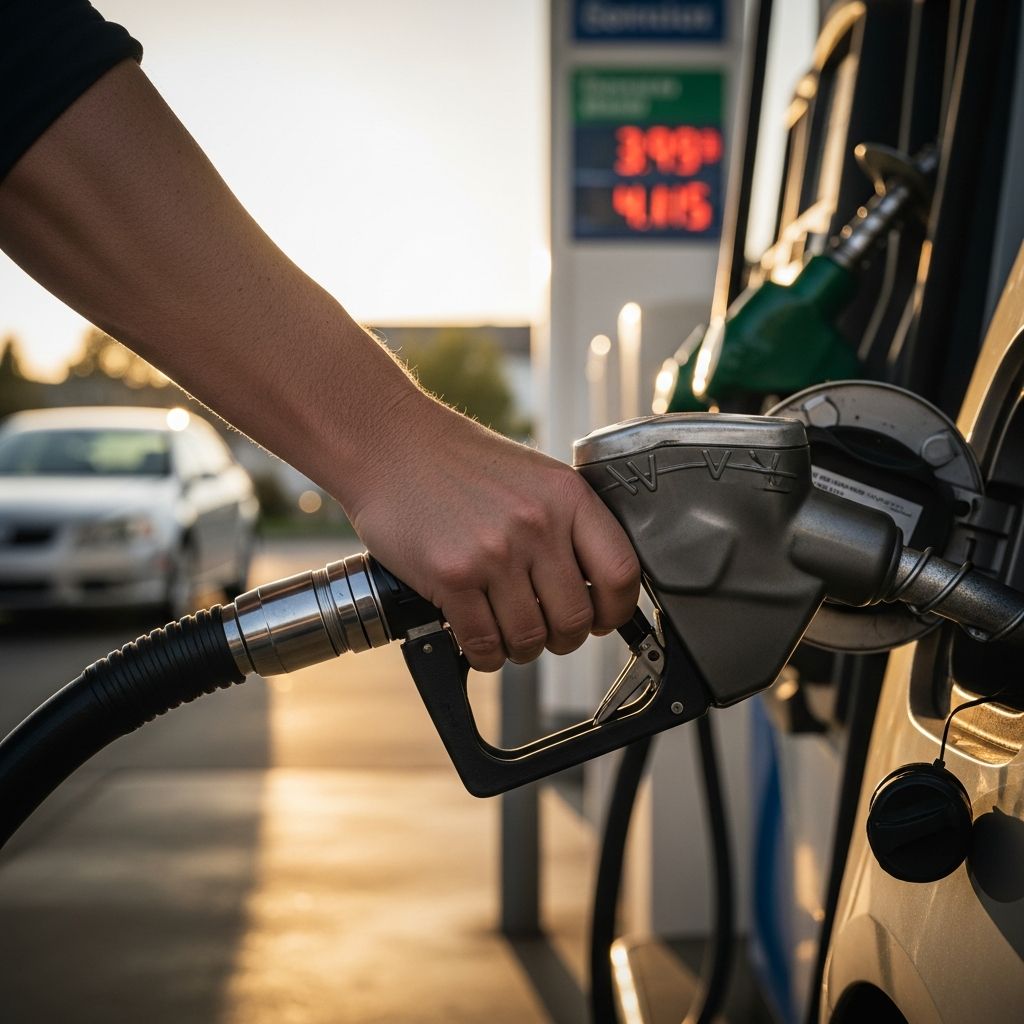
Gas prices fluctuate constantly, often climbing to painful highs that strain household budgets. In recent years, average U.S. gas prices have hovered between $3 and $5 per gallon, influenced by global oil markets, seasonal demand, and geopolitical events. For many Americans who rely on their vehicles for commuting, errands, and travel, these costs add up quickly—potentially thousands of dollars annually. The good news? You don’t have to accept overpaying. This comprehensive guide outlines
23 actionable ways to save on gas
, categorized into strategies at the pump, better driving habits, vehicle maintenance, and additional smart tactics. By implementing even a few of these, you could slash your fuel expenses by 10-30%, putting real money back in your pocket.Whether you’re scouting apps for the lowest prices, tweaking your acceleration style, or simply checking your tire pressure monthly, these tips are backed by data from the U.S. Department of Energy and real-world driver experiences. Let’s dive in and get you fueled up smarter.
How to Save on Gas at the Pump
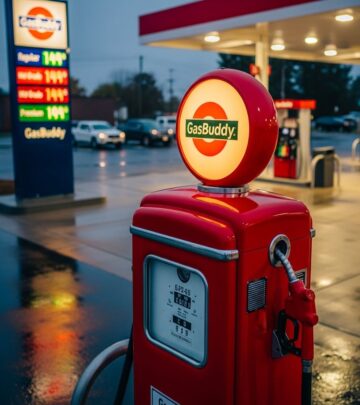
Strategic choices about where, when, and how you buy gas can yield immediate savings without changing your routine much. Apps like GasBuddy make it easy to locate the cheapest stations nearby, while rewards programs turn routine fill-ups into opportunities for cash back or points.
1. Skip the Premium Option
Most vehicles run perfectly fine on regular unleaded gas, which is typically
20-40 cents cheaper per gallon
than premium. Unless your owner’s manual explicitly requires higher octane (common in high-performance sports cars), sticking to regular saves money without harming your engine. Modern cars have knock sensors that adjust timing to prevent issues, making premium unnecessary for 90% of drivers.2. Use Gas Price Apps
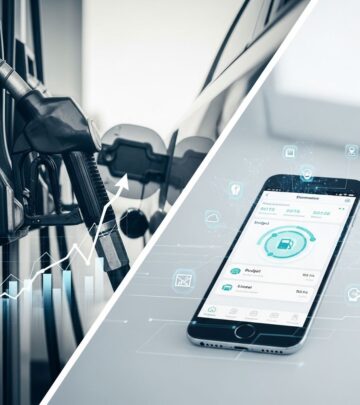
Apps like GasBuddy, Waze, or AAA’s fuel finder provide real-time prices from user reports and station data. Set alerts for price drops near your home or work, and plan routes past the cheapest spots. Users report saving up to 20 cents per gallon consistently by filling up at bargain stations.
3. Leverage Credit Card Rewards
Cards from ExxonMobil, Shell, or Costco offer 5-10 cents off per gallon or 3-5% cash back on gas. Pair with rotating category bonuses from cards like Chase Freedom for even more. Always compare rewards against any cash discount to maximize value.
4. Join Loyalty Programs
Programs like BPme, Shell Fuel Rewards, or Exxon Mobil Rewards give points per gallon redeemable for discounts. Some stations offer tiered perks—fill up 8 times for 10 cents off. Sign up via apps for automatic tracking and bonus offers.
5. Shop Warehouse Clubs
If you’re a Costco, Sam’s Club, or BJ’s member, their gas stations often undercut local prices by 10-30 cents per gallon. Limits like once-per-membership-card help prevent abuse, but the savings are substantial for frequent drivers.
6. Use Cash Instead of a Card
Many stations advertise
3-10 cents off per gallon for cash
to dodge credit card fees (2-3% per transaction). Debit might qualify at some spots; always ask before swiping. Carry small bills for quick pumps.7. Use Free or Discounted Gift Cards
Earn gas station gift cards through survey apps like Swagbucks or MyPoints, or buy them at 5-15% off on Raise or CardCash. A $50 card bought for $42.50 effectively drops your per-gallon cost.
8. Fill Up Early in the Week
Data from GasBuddy shows prices are lowest on
Mondays and Fridays
, rising mid-week due to delivery schedules. Avoid Wednesdays, Thursdays, and Saturdays when stations hike prices before weekend demand.How to Save on Gas With Better Driving Habits
Your right foot and daily routines heavily influence fuel economy. Aggressive driving can burn 20-30% more gas, per the U.S. Department of Energy. Adopt these habits for effortless efficiency gains.
9. Share Rides
Carpool with coworkers or neighbors to cut your driving days in half. Apps like Waze Carpool or local Facebook groups make organizing easy. For school runs, rotate duties among parents to share mileage.
10. Combine Trips
Batch errands into one outing instead of multiple short drives. Cold engines guzzle more gas—warm up on the road. This simple change can boost mileage by 10%.
11. Reduce Your Idle Time
Idling for over 10 seconds wastes more fuel than restarting. Turn off the engine at long lights or while waiting. Remote starters help in extreme weather without prolonged idling.
12. Accelerate Slowly and Coast More
Jackrabbit starts spike fuel use. Aim for smooth acceleration to highway speeds, and coast into stops by lifting off the gas early. Studies show this improves MPG by 5-15%.
13. Use Cruise Control — Sometimes
On flat highways, cruise control maintains steady speeds for optimal efficiency. Skip it on hills to avoid downshifts that burn extra gas. Pair with speed limits for safety and savings.
14. Obey the Speed Limit
Every 5 mph over 50 mph cuts MPG by 7-10%. Wind resistance grows exponentially—drive 65 mph, not 80.
15. Use AC Wisely
AC reduces MPG by 1-4, but open windows create drag above 40 mph. Use recirculate mode and shade your car to minimize AC needs.
16. Plan Efficient Routes
Apps like Google Maps optimize for traffic and fuel. Avoid rush hour congestion where stop-go wastes gas.
How to Save Gas With Vehicle Maintenance
A well-maintained car can achieve 10-20% better fuel economy. Neglect leads to drags like underinflated tires or dirty filters.
17. Check Tire Pressure
Underinflated tires increase rolling resistance, costing
2 cents per gallon
per the U.S. Department of Energy. Check monthly using the door jamb sticker PSI, cold.18. Check Your Gas Cap
A loose or damaged cap lets vapors escape, triggering check-engine lights and wasting fuel. Inspect the seal; replace for $5-10.
19. Lighten Your Car
Extra 100 pounds costs
13 cents per gallon
(DOE). Clear trunks of unused gear, roof clutter, or roof racks when not in use—racks alone drop MPG by 10%.20. Keep Up With Tune-Ups
Fresh spark plugs, air filters, and oil changes ensure efficient combustion. Dirty filters choke engines, reducing MPG by up to 10%.
21. Align Wheels and Balance Tires
Misalignment pulls the car off-course, burning extra fuel. Rotate and balance every 5,000 miles.
Additional Ways to Slash Gas Costs
Beyond basics, these tips maximize savings.
22. Work From Home When Possible
Remote days eliminate commutes. Negotiate hybrid schedules to drive half as much.
23. Consider Fuel-Efficient Alternatives
Switch to a hybrid or EV if feasible, or bike short trips. Public transit or e-bikes for errands add up.
| Tip Category | Potential Savings | Ease of Implementation |
|---|---|---|
| At the Pump | 10-40¢/gallon | Easy |
| Driving Habits | 10-30% MPG | Moderate |
| Maintenance | 5-20% MPG | Easy-Moderate |
Frequently Asked Questions (FAQs)
What’s the cheapest day to buy gas?
Mondays and Fridays typically offer the lowest prices based on national trends.
Does premium gas improve performance?
Not for most cars; it can even cause buildup in non-recommended engines.
How often should I check tire pressure?
Monthly, and before long trips, as pressure drops with temperature changes.
Are gas apps accurate?
Most rely on crowdsourcing, so verify prices before pulling in.
Can I save with a bike rack on?
No—remove unused racks to cut drag and weight.
References
- Fuel Economy Tips: Driving More Efficiently — U.S. Department of Energy. 2024-05-15. https://www.energy.gov/energysaver/driving-more-efficiently
- Gasoline Prices Weekly Analysis — U.S. Energy Information Administration. 2026-01-10. https://www.eia.gov/petroleum/gasdiesel/
- Facts About Tire Inflation — National Highway Traffic Safety Administration. 2023-08-20. https://www.nhtsa.gov/equipment/tires
- GasBuddy Weekly Gas Price Analysis — GasBuddy. 2025-12-30. https://www.gasbuddy.com/insights
- Alternative Fuels Data Center: Fuel Economy Basics — U.S. Department of Energy. 2024-11-01. https://afdc.energy.gov/fuels/fuel_economy.html
Similar Articles








Read full bio of medha deb