How To Save On Your Energy Bill: 19 Practical Ways For 2025
Discover 19 proven strategies to drastically cut your energy bills this winter without sacrificing comfort or style.
The winter of 2025 brings dramatic temperature swings and widespread wintry weather, as forecasted by the Farmer’s Almanac. With rising costs for food, gas, and utilities, finding ways to lower your energy bill is essential to stay warm without financial strain. Preventive maintenance and simple adjustments can yield significant savings on heating expenses. This guide outlines
19 practical strategies
to slash your electric and heating bills, drawing from expert recommendations and real-world applications.1. Get a Free Home Energy Assessment
Start by scheduling a free home energy assessment through your utility company. Many providers offer these audits, funded by your bill contributions, to identify inefficiencies like poor insulation or air leaks. Professionals use tools to pinpoint issues, providing a customized plan that can save up to 20% on energy use. Contact your utility to enroll—it’s often free and includes energy-saving kits.
2. Seal Cracks and Leaks
Drafts around windows, doors, and outlets can waste 20-30% of your heating energy. Use weatherstripping, caulk, and foam sealant to close gaps. The U.S. Department of Energy recommends this as a top low-cost fix, potentially saving $100-200 annually. Check attics, basements, and chimneys too for maximum impact.
3. Upgrade to Efficient Equipment with a Rebate
Investing in energy-efficient HVAC systems or smart thermostats pays off quickly, especially with rebates. Providers like ConEd offer $100+ back on qualifying purchases. ENERGY STAR-rated equipment uses 15-25% less energy. Verify local programs via your utility’s website to offset upfront costs.
4. If You Have a Smart Thermostat, Use It
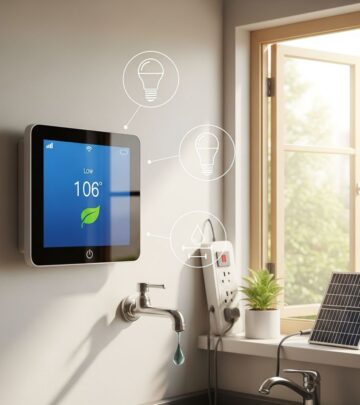
Smart thermostats like Nest enable zonal and timed control, saving an average of
12% on heating
and 15% on cooling. Program lower temperatures when away or asleep. If unused, you’re missing out—set schedules via app for automatic adjustments based on your routine.5. Invest in a One-Time Duct Cleaning
Clogged ducts from dust and debris reduce efficiency by up to 40%. A professional cleaning costs $200-300 but improves airflow, minimizing the need to crank heat. Cleaner systems last longer, providing long-term savings on repairs and bills.
6. Run Electric Heaters at Night
Utilities often charge less during off-peak hours (evenings/nights). Shift space heater use to these times when safe, potentially cutting costs by 10-20%. Check your rate plan—time-of-use pricing rewards this habit without lifestyle changes.
7. Use Ceiling Fans Wisely
In winter, run ceiling fans clockwise on low speed to push warm air down from ceilings. This redistributes heat evenly, allowing a 2-4 degree thermostat drop for 5-10% savings. Reverse direction in summer for cooling.
8. Close the Door
In multi-room homes, shut doors to unused areas to focus heat where you are. This creates natural zonal heating, reducing overall usage by 10-15%. Combine with rugs and curtains for better retention.
9. Only Heat The Rooms You Use
Implement zone heating with multiple thermostats or portable heaters. Heat only occupied spaces, saving up to 30% on whole-home systems. Ideal for large homes or remote work setups.
10. Lower the Hot Water Heater Temperature
Set your water heater to 120°F instead of the default 140°F. The Department of Energy estimates this saves $36-61 yearly by reducing standby losses, which account for 18% of home energy use.
11. Insulate Your Attic
Proper attic insulation prevents 25% of heat loss. Add R-38 to R-60 fiberglass or blown-in material if needed. DIY kits or professional installs qualify for rebates, with ROI in 2-3 years.
12. Maintain Your HVAC System
Replace filters monthly and schedule annual tune-ups. Dirty systems work 15% harder, hiking bills. Clean coils and vents ensure peak efficiency.
13. Unplug Vampire Energy Drainers
Standby power from chargers, TVs, and appliances consumes $100+ yearly per household. Unplug or use smart strips. Average home with 25 devices wastes $935 annually on unused chargers.
14. Switch to LED or CFL Bulbs
Replacing incandescents with LEDs saves $37 per outdoor bulb yearly. Utilities often provide free kits. New federal standards make even ‘incandescents’ 30% efficient.
15. Wash Clothes in Cold Water
80% of a washer’s energy heats water. Cold washes clean effectively, saving 90% on that cycle. Air-dry when possible for extra gains.
16. Use the Oven Strategically
Bake in the morning to warm your home naturally. Leave door open post-use for residual heat. Align with off-peak hours to minimize costs.
17. Add a Humidifier
Humid air feels warmer, allowing 3-5 degree lower settings. Whole-home or room units cost $50-200, paying back via reduced heating needs.
18. Layer Up and Use Rugs/Blinds
Wear layers, add blankets, and use area rugs for insulation. Open south-facing blinds daytime for solar gain; close at night.
19. Enroll in Utility Programs
Join load control for AC/water heater cycling during peaks—earn $75+ credits yearly with minimal disruption. Ask about audits and kits.
How Much Can You Save?
Implementing these tips averages
$1,500 annual savings
—$118/month winter, more with credits. A table breaks it down:| Tip | Estimated Annual Savings |
|---|---|
| Seal Leaks | $100-200 |
| Smart Thermostat | $150-200 |
| Unplug Devices | $100-935 |
| LED Bulbs (30 bulbs) | $500+ |
| Water Heater Adjust | $36-61 |
Total potential: Over $1,500 with combined efforts.
Frequently Asked Questions (FAQs)
What’s the quickest way to lower my energy bill?
Seal drafts and unplug standby devices for immediate 10-20% reductions—no cost involved.
Do smart thermostats really save money?
Yes, up to 12% on heating when programmed correctly, per utility studies.
Are utility rebates available everywhere?
Most states require programs; call your provider to confirm local offers.
How often should I clean ducts?
Every 3-5 years or as recommended by your HVAC pro.
Can I DIY an energy audit?
Basic checks yes (use incense for drafts), but pros provide precise data and incentives.
References
- Residential Energy Efficiency Programs — U.S. Department of Energy. 2024-10-15. https://www.energy.gov/energysaver/residential-energy-efficiency-programs
- Water Heating Savings Calculator — U.S. Department of Energy. 2025-01-05. https://www.energy.gov/energysaver/water-heating
- Energy Star Thermostat Savings — ENERGY STAR (EPA). 2024-11-20. https://www.energystar.gov/products/programmable_thermostats
- Home Energy Audits — U.S. Department of Energy. 2024-09-12. https://www.energy.gov/energysaver/home-energy-audits
- Vampire Power Fact Sheet — U.S. Department of Energy. 2023-08-01 (authoritative baseline). https://www.energy.gov/energysaver/reducing-electricity-use-and-costs
Similar Articles








Read full bio of medha deb