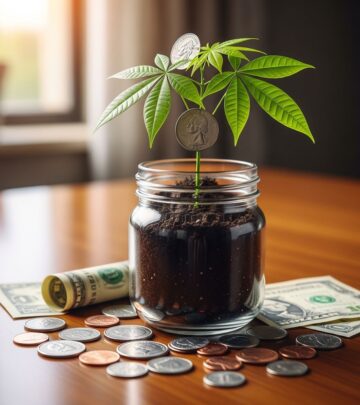
How To Save Money: 25 Proven Tips To Boost Your Savings
Discover 25 proven, practical tips to cut expenses, build savings, and achieve financial freedom without extreme sacrifices.

Saving money doesn’t require drastic lifestyle changes or becoming a penny-pinching miser. Small, consistent choices in budgeting, spending, and habits can lead to significant financial progress. This guide outlines
25 proven tips
drawn from real-world strategies to help you trim expenses across every area of life, from groceries and housing to entertainment and debt payoff.Create a Budget You Can Stick To
The foundation of saving money is a realistic budget. Start with the
50/30/20 rule
: allocate 50% of income to needs (rent, groceries), 30% to wants (dining out, hobbies), and 20% to savings and debt repayment. For a $3,000 monthly income, that’s $1,500 for essentials, $900 for fun, and $600 for financial goals.Alternatives include
zero-based budgeting
, where every dollar is assigned—ensuring income minus expenses equals zero—or theenvelope method
, dividing cash into categories like groceries or gas. When an envelope empties, spending stops until the next period. Track one month’s expenses first to identify leaks, then adjust to meet goals like building an emergency fund.Plan Meals and Shop Smart to Save on Groceries
Groceries are a major expense, but
meal planning
slashes waste and impulse buys. Cooking at home four nights weekly instead of $40 takeout saves $2,000 yearly. Use templates for weekly plans, sticking to lists, store brands, and bulk deals.- Set a grocery budget: Aim for $4 daily or $64 weekly for a family of five by pre-planning spends.
- Shop your pantry first: Inventory existing stock to build meals around it, reducing bills and waste.
- Buy seasonally: Farmers markets or off-season avoidance (e.g., no $6 January strawberries) cuts costs; peak strawberries are May-August.
- Visit ethnic stores: Asian markets offer 44% savings on staples like mushrooms ($2.11 vs. $4.35).
- Use coupons and apps: Stack 20% coupons with 5% cashback; apps like Ibotta provide rebates.
Grow a kitchen garden for fresh produce, buy bulk and freeze, or stockpile non-perishables in a basement or extra freezer. Know store secrets: markdown days at Target or Walmart maximize deals.
Try a No-Spend Challenge
A
no-spend challenge
resets habits by limiting purchases to essentials for a week or month. Skipping restaurants saves $400 monthly; budget $20-30 for splurges to sustain it. Variations include a full spending freeze on nonessentials like entertainment or clothes, paying only bills.Penny Hoarder Jamie Cattanach froze spending in November to curb holidays, proving short-term discipline yields long-term gains.
Downsize Your Living Situation
Housing eats budgets, but
downsizing
slashes costs. The Morrisons traded a 2,200 sq ft home for a 207 sq ft tiny house, eliminating mortgages, halving utilities, and trimming groceries. Evaluate if a smaller space or roommates fit your lifestyle for immediate relief.Repair or Buy Used Instead of Replacing New
Fix items before replacing: phone batteries, appliance repairs, or sewing clothes cost fractions. Thrift stores and apps like Facebook Marketplace offer quality used goods cheaply.
Negotiate Your Bills
Call providers: internet plans drop $20/month ($240/year) via negotiation. Review subscriptions quarterly, canceling unused ones.
Switch to Generics and Stack Savings
Store-brand cereal ($2.50) vs. name-brand ($4.50) accumulates savings. Combine coupons, rewards apps, and sales for 25% off planned buys.
Advanced Budgeting Methods
Starve and stack: Couples live off one income, stacking the rest for debt payoff, investments, or funds. Jen Smith cleared $78,000 in two years.
Cash envelope system: Allocate cash per category monthly; overspending impossible once empty.
Use your full paycheck: Zero-based plans ensure no dollars idle.
More Food Savings Hacks
| Hack | How It Saves | Example Savings |
|---|---|---|
| Cut produce weight | Remove stems/leaves pre-weigh | 5% off bill |
| Stockpile deals | Buy extras for future | Non-perishables cheap |
| Make from scratch | Avoid premade meals | Slow cooker batches |
| Brown bag lunch | Skip $10 daily buys | Hundreds yearly |
Boost Savings with Extra Income
Use tax refunds wisely: apply $2,500 to high-interest debt, saving $500 interest. Sell unused items on eBay or OfferUp for quick cash.
Frequently Asked Questions (FAQs)
What is the easiest way to start saving money?
The 50/30/20 budget rule is simplest: track spending for a month, then allocate percentages to needs, wants, and savings.
How much can meal planning save on groceries?
Up to $2,000 yearly by avoiding takeout and waste; families feed on $64/week with planning.
Is a no-spend challenge realistic long-term?
Short-term (week/month) with small splurge budgets ($20-30) builds habits without burnout.
What’s zero-based budgeting?
Assign every dollar a job so income minus expenses = zero, preventing untracked spending.
Can downsizing really eliminate housing costs?
Yes, tiny homes like the Morrisons’ cut mortgages and utilities dramatically.
How do I negotiate bills effectively?
Call providers, mention competitor rates, and ask for loyalty discounts—save $20+/month.
Implementing these tips compounds: consistent budgeting plus grocery hacks and challenges can free hundreds monthly for savings or debt. Track progress quarterly to refine.
References
- 352 Simple Ways to Save Money in (Literally) Every Area of Your Life — The Penny Horder. 2023. https://www.thepennyhoarder.com/save-money/how-to-cut-expenses-all-the-ways/
- How to Save Money: 25 Proven Tips That Actually Work — The Penny Horder. 2023. https://www.thepennyhoarder.com/save-money/how-to-save-money/
- 22 Creative Ways to Save Money on Food and Still Eat Well — The Penny Horder. 2023. https://www.thepennyhoarder.com/save-money/how-to-save-money-on-food-eat-well/
- Consumer Expenditure Survey: Average Annual Expenditures — U.S. Bureau of Labor Statistics. 2024-09-10. https://www.bls.gov/cex/tables.htm
- Personal Saving Rate — U.S. Federal Reserve Economic Data (FRED). 2026-01-01. https://fred.stlouisfed.org/series/PSAVERT
Similar Articles








Read full bio of Sneha Tete