How to Buy Used Appliances: 3 Smart Shopping Strategies
Discover smart strategies to score high-quality used appliances and slash your household costs without sacrificing reliability or performance.
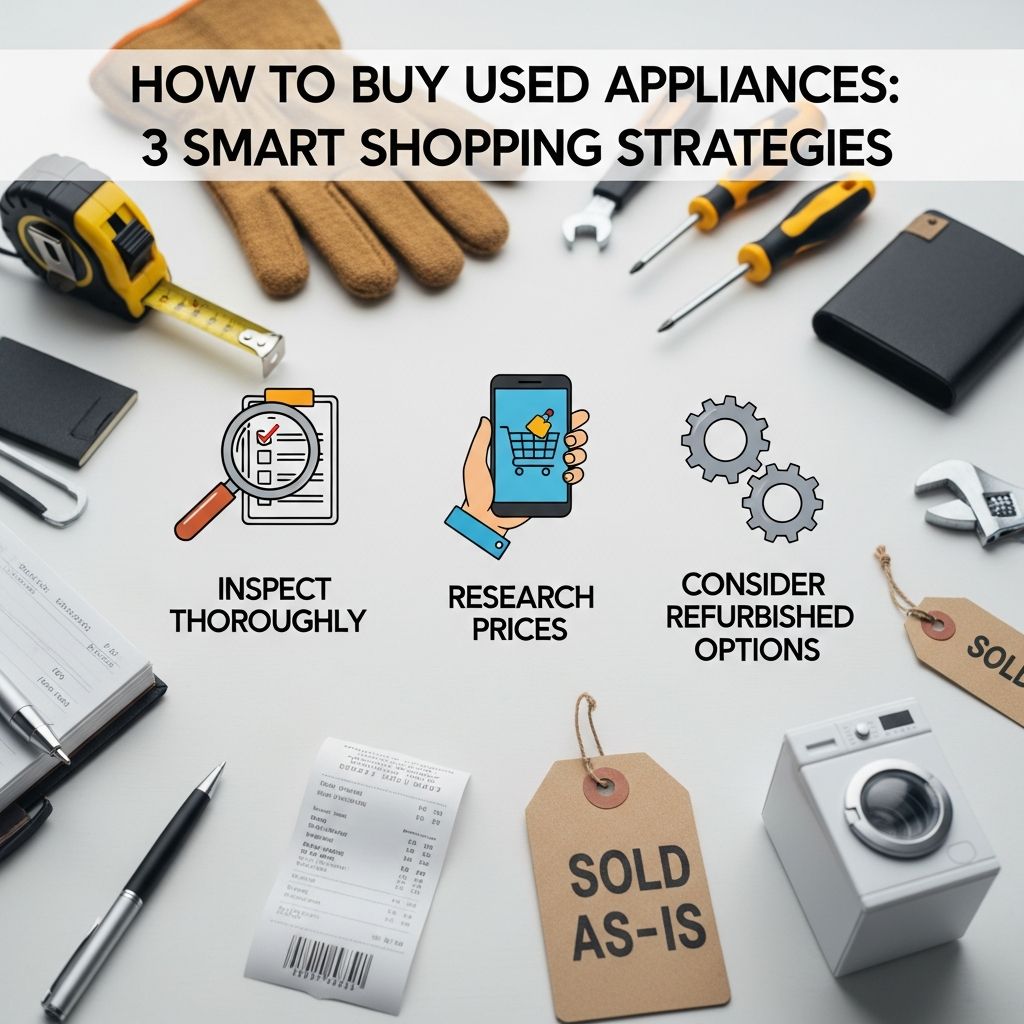
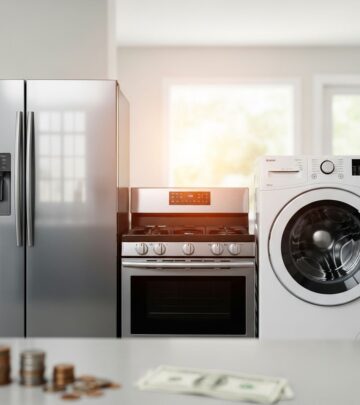
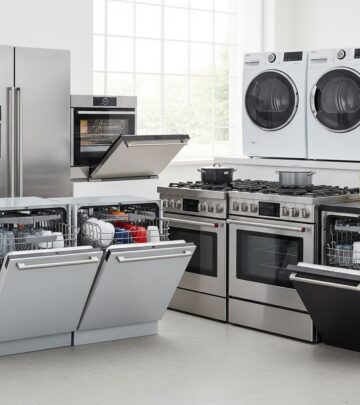
This Smart Strategy Will Save You a Ton of Money on Household Appliances. New appliances like washers, dryers and ovens can cost $500 to over $2,000 each, blowing budgets for homebuyers or upgraders. But used options deliver 50-80% savings on high-quality units, as one family proved by snagging a double-oven range, efficient washer and dryer for just $700 total.
Used appliances carry risks—shorter lifespans and potential breakdowns—but smart shopping minimizes them. This guide covers three key strategies: shopping stores for security, targeting premium models for longevity, and prioritizing fixable designs. You’ll also find buyer checklists, negotiation tactics, maintenance advice and FAQs to make frugal purchases foolproof.
Why Buy Used Appliances? Real Savings and Smart Rationale
Household appliances depreciate fast: a $1,500 new washer might sell used for $300-500 after 2-5 years, assuming good condition. This gap lets budget shoppers access Energy Star-rated, feature-rich models originally priced for luxury buyers.
Benefits include:
- Massive upfront savings: Pay half (or less) vs. new equivalents.
- Premium features affordably: Double ovens, high-efficiency cycles, smart controls.
- Environmental wins: Reuse reduces manufacturing waste; U.S. homes discard millions of appliances yearly.
- Quick setup: Stores often deliver, install and haul away old units free.
Risks? Limited warranties (often 30-90 days), unknown histories and repair needs. Counter them with research: check recent reviews (last 12-24 months), test on-site and verify age (prefer under 5 years old).
Pro tip: Calculate total ownership cost. A $400 used Energy Star fridge might save $100/year on electricity vs. a cheaper basic model, paying for itself fast.
1. Shop in a Store: Security, Selection and Service
Skip Craigslist risks—opt for brick-and-mortar used appliance stores. They offer curated inventory from trade-ins, rentals and closeouts, with better variety in colors, sizes and brands.
In Albuquerque, NM, stores undercut online listings by 20-30%. Elsewhere, compare prices but prioritize:
- Reputation: Scan Google/Yelp reviews from past year; aim for 4+ stars and clear return policies (7-30 days).
- Services: Free delivery, installation (e.g., 220V oven wiring) and haul-away sweeten deals.
- Negotiation: Haggle like used cars—offer 10-20% below asking. One couple saved 10% on a $350 range.
Inspection checklist before buying:
| Appliance | Key Checks |
|---|---|
| Washer/Dryer | Run test cycle; check drums, seals, no odd noises/leaks. |
| Oven/Range | Test all burners/ovens; verify igniters, doors seal tight. |
| Fridge | Listen for compressor hum; check temps (fridge 37°F, freezer 0°F), defrost cycle. |
| Dishwasher | Run full cycle; inspect spray arms, filters, no error codes. |
Stores refurbish units, adding peace of mind. Entire process? Under a day, vs. weeks for new.
2. Buy High-Quality Models: Longevity Over Low Price
Used market flips new-buying logic: price barely reflects quality tiers. A premium used Maytag might cost $50 more than basic but last 2x longer.
Target these traits:
- Brands: Speed Queen, Whirlpool, GE, Bosch—known for durability per Consumer Reports data.
- Features: Energy Star for utility savings (e.g., high-efficiency washers use 25% less water/energy).
- Upgrades: Double-oven ranges heat small spaces efficiently, boost home resale value.
Example buys:
- Double-oven range ($350 used): Upper oven for daily tasks; reliable build from high original price.
- High-efficiency washer/dryer ($200/$150): Save $50-100/year on bills vs. standard.
Research via manufacturer sites: check model reviews on sites like Yale Appliance blog for repair stats. Avoid ‘bells-and-whistles’ overload—fewer electronics mean fewer failures.
3. Buy Fixable Used Appliances and Consider the Cost of Repairs
All used units risk breakdowns, so prioritize repairability. Seek simple mechanics over complex electronics.
Key considerations:
- Age: Under 5 years—parts/reviews abundant.
- Break patterns: Drain clogs < motor failures (cheaper DIY fixes).
- Parts availability: Common models have cheap, stocked components.
Riskiest: Dryers (heat elements), dishwashers (pumps), hoods—many parts, low used prices reflect repairs. Safer: Basic fridges, top-load washers.
Repair cost guide:
| Issue | Avg. Repair Cost | DIY Feasibility |
|---|---|---|
| Drain pump clog | $50-100 | High (YouTube guides) |
| Motor replacement | $200-400 | Medium (tools needed) |
| Control board | $300-600 | Low (pro recommended) |
Weigh vs. new price: if repairs exceed 50% of cost, walk away. Tools like iFixit guide DIY savings.
Maintenance Tips to Extend Used Appliance Life
Prevent issues with routine care, per U.S. Department of Energy guidelines. Americans spend 90% time indoors—healthy appliances matter.
- Seasonal checks: Spring: Clean dryer vents (fire risk), AC ties; Fall: Heating, filters.
- Daily: Wipe seals, clean filters, avoid overloads.
- Pro service: Annual for $100-200 catches problems early.
Result: Used units last 5-10+ years, rivaling new.
Frequently Asked Questions (FAQs)
Q: Are used appliances reliable?
A: Yes, if under 5 years, high-quality brands and tested. One family reports daily use flawlessly post-purchase.
Q: Where to find the best used appliance deals?
A: Local stores beat online for service/selection; check Habitat ReStores, auctions too.
Q: How much can I negotiate?
A: 10-20% typical; cite competitors, minor flaws.
Q: What’s the warranty on used appliances?
A: 30-90 days usually; buy stores with returns.
Q: Should I buy extended warranties?
A: Rarely—focus repairable models; self-insure via savings.
Final Thoughts: Frugal Wins with Used Appliances
Smart used buys deliver premium performance cheaply. Follow these strategies for risk-free savings—next fridge failure? Go used again.
References
- How to Buy Used Appliances: 3 Smart Shopping Strategies — The Penny Horder. 2023. https://www.thepennyhoarder.com/save-money/how-to-save-money-used-appliances/
- Why home maintenance deserves a spot in the annual health and budget plans — U.S. Department of Energy & EPA via ClickOrlando. 2026-01-04. https://www.clickorlando.com/news/national/2026/01/04/why-home-maintenance-deserves-a-spot-in-the-annual-health-and-budget-plans/
- Energy Star Appliance Savings Calculator — U.S. Environmental Protection Agency. 2025. https://www.energystar.gov/products/appliances
Similar Articles








Read full bio of medha deb