How To Save Money On Produce: 10 Smart Ways To Cut Costs
Discover proven strategies to slash your produce spending without sacrificing freshness or nutrition in your weekly grocery haul.
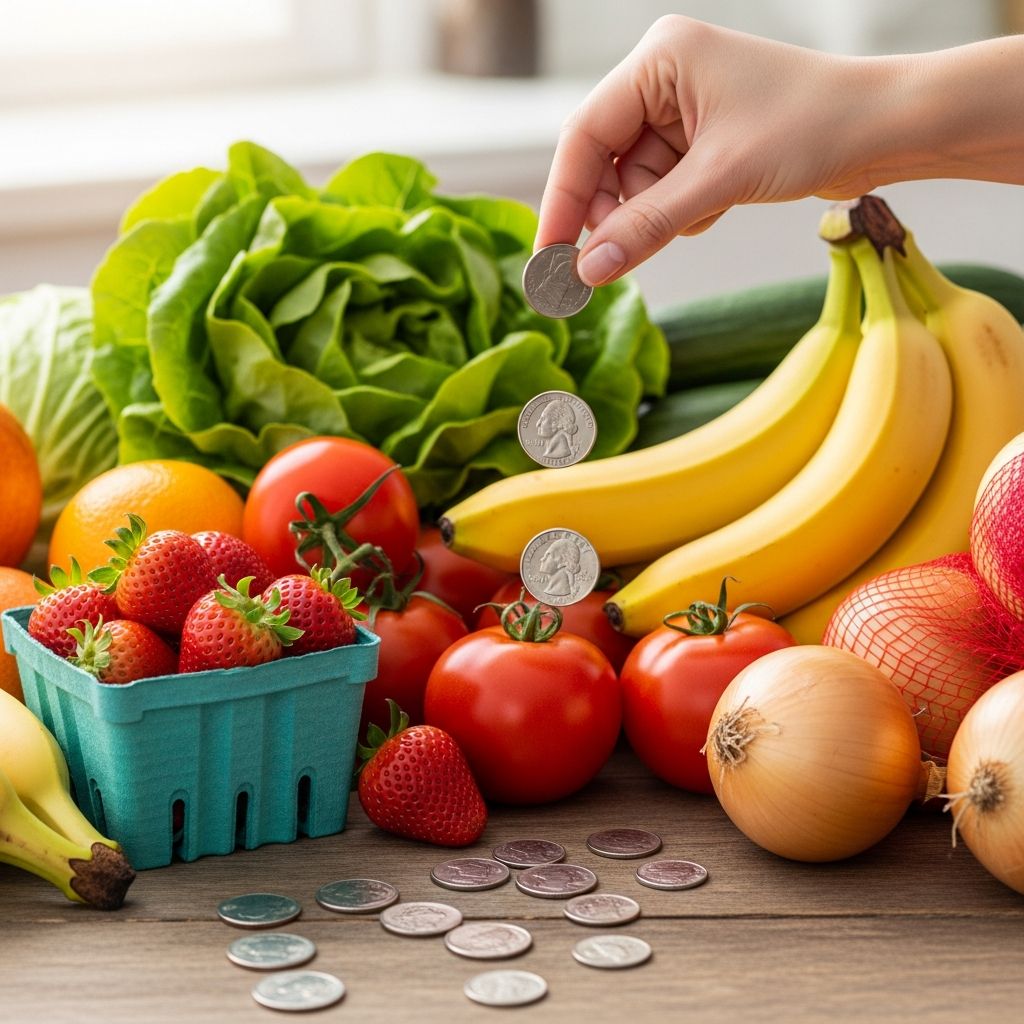
Fresh fruits and vegetables are essential for a healthy diet, but their prices can strain your grocery budget, especially with rising food costs. The good news is there are numerous strategies to lower your produce expenses while maintaining quality and nutrition. From strategic shopping to smart storage, these tips help you stretch every dollar on apples, greens, berries, and more.
Shop Seasonal and Local Produce
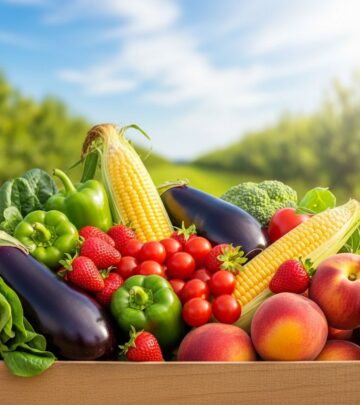
One of the easiest ways to save on produce is to focus on what’s in season. Seasonal fruits and vegetables are abundant, which drives down prices due to lower transportation and import costs. For example, summer brings affordable berries, corn, and tomatoes, while winter offers root vegetables like carrots and potatoes at bargain rates. According to the U.S. Department of Agriculture (USDA), seasonal produce is often 20-50% cheaper than out-of-season imports.
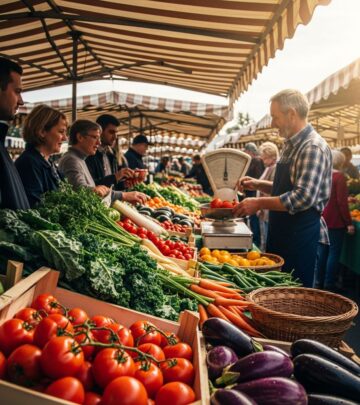
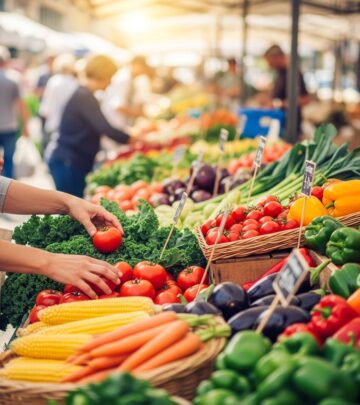
Visit farmers’ markets or local stands for even better deals. These venues sell directly from growers, eliminating middleman markups. Arrive late in the day for discounts on unsold items—vendors often slash prices to avoid waste. Freezing extras preserves savings year-round; blanch and bag berries or chop peppers for future use.
- Check USDA seasonal guides for your region.
- Compare supermarket vs. market prices weekly.
- Build meals around current sales flyers.
Buy ‘Ugly’ or Imperfect Produce
Perfect appearance doesn’t equal better taste or nutrition. ‘Ugly’ produce—misshapen carrots, bruised apples, or spotted bananas—is often discarded despite being perfectly edible. Retailers like Walmart and Kroger now stock these at discounts up to 30-50%.
Subscription services such as Imperfect Foods or Misfits Market deliver boxes of cosmetic rejects directly to your door, typically 25-40% below retail. This reduces food waste, which the USDA estimates costs U.S. households $1,600 annually. Taste tests show no quality difference; a lumpy potato roasts just as well.
| Retailer/Service | Discount Range | Delivery Option |
|---|---|---|
| Imperfect Foods | 30-50% | Yes |
| Misfits Market | 25-40% | Yes |
| Walmart ‘Ugly’ Section | 20-40% | No |
| Local Grocery Rescue Bins | Up to 75% | No |
Opt for Frozen Fruits and Vegetables
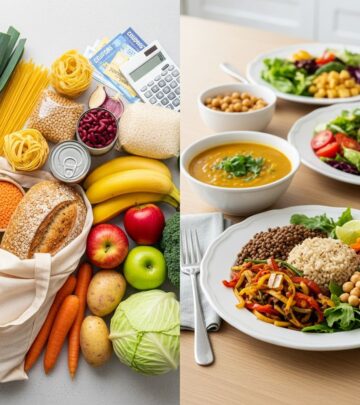
Frozen produce often costs less per pound and lasts indefinitely, curbing waste. Flash-frozen at peak ripeness, it retains more vitamins than produce shipped long distances. A bag of frozen spinach or strawberries beats wilted fresh equivalents in both price and convenience.
Brands like Birds Eye or store generics save 20-40% over fresh. Use in smoothies, soups, or stir-fries—no thawing needed. The FDA confirms frozen veggies match fresh nutrition when prepared properly.
- Stock up during sales for bulk buys.
- Portion into recipe-sized bags.
- Avoid sauce-heavy varieties to control ingredients.
Join a Community Supported Agriculture (CSA) Program
CSAs let you buy ‘shares’ upfront for weekly boxes of farm-fresh produce. Prices are typically 20-30% lower than grocery stores, with organic options available. Supporting local farms ensures ultra-fresh items picked that week.
Many CSAs offer customizable boxes or sliding-scale pricing. Split shares with neighbors to test without commitment. Recipes included help use unfamiliar items like kohlrabi. LocalHarvest.org lists over 7,000 U.S. programs.
Embrace Store Brands and Sales Cycles
Generic produce labels match name brands in quality but cost less. Watch weekly ads for ‘loss leader’ deals where items sell below cost to lure shoppers. Stockpile non-perishables or freezeable produce.
Apps like Flipp aggregate flyers; set alerts for favorites like avocados or lettuce. Loyalty programs at chains like Aldi or Lidl amplify savings with member pricing.
Avoid Pre-Cut and Pre-Washed Convenience Produce
Pre-packaged salads or melon chunks charge premiums for labor—often double the whole produce price. A $5 bagged Caesar mix equals $2.50 in loose romaine and toppings.
Invest in a $10 salad spinner and sharp knife. Prep sessions yield restaurant-quality results cheaper. Wash whole heads under running water per CDC guidelines for safety.
Shop at Discount Stores and Ethnic Markets
Aldi, Lidl, and ethnic grocers offer produce 20-50% below traditional supermarkets. Bulk bins at Asian markets yield cheap herbs and roots. Quality rivals big chains; inspect for freshness.
Trader Joe’s frozen imports and Whole Foods’ 365 generics provide value. Compare unit prices: cost per pound reveals true deals.
Preserve and Store Produce Properly
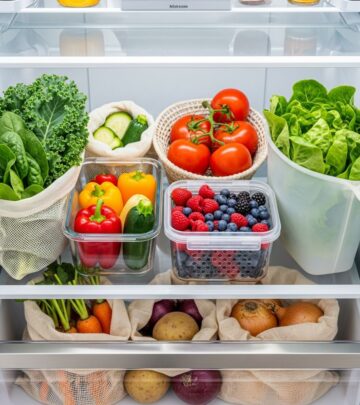
Poor storage wastes 40% of produce, per USDA data. Follow these rules:
- Fruits: Berries in breathable containers; apples in crisper away from ethylene producers like bananas.
- Veggies: Leafy greens wrapped in damp towels; root veggies in cool, dark spots.
- Herbs: Treat as cut flowers in water jars.
Can, pickle, or ferment surpluses. Apps like StillTasty predict shelf life.
Incorporate Meatless Meals with Produce
Proteins like beans pair with cheap veggies for filling meals. Lentil soups or veggie stir-fries cut meat costs. Plant-based shifts save $770 yearly, says a Johns Hopkins study.
Use Cashback Apps for Produce Purchases
Ibotta and Fetch Rewards rebate on produce scans. Rakuten partners with grocers for 1-5% back. Stack with sales for compounded savings.
Frequently Asked Questions (FAQs)
Is ugly produce safe to eat?
Yes, imperfections are cosmetic. Discard only moldy or damaged parts; nutrition remains intact.
What’s the biggest produce saver?
Seasonal shopping combined with proper storage yields the highest returns, often 30-50% off bills.
Are CSAs worth it for beginners?
Start with a trial share. Versatile recipes make variety manageable.
How much can I save yearly on produce?
Average families save $300-600 implementing 5+ tips consistently.
Does frozen produce lose nutrients?
No, flash-freezing preserves more than weeks of fresh transport.
References
- Seasonal Produce Guide — U.S. Department of Agriculture. 2024-01-15. https://www.usda.gov/topics/food-and-nutrition/seasons
- Food Waste FAQs — USDA Economic Research Service. 2023-09-12. https://www.ers.usda.gov/topics/food-markets-prices/food-waste-loss/
- Selecting and Serving Produce Safely — FDA Center for Food Safety. 2024-05-20. https://www.fda.gov/food/buy-store-serve-safe-food/selecting-and-serving-produce-safely
- Household Food Waste Reduction — EPA Sustainable Management of Food. 2024-02-28. https://www.epa.gov/sustainable-management-food/household-food-waste-reduction
- Local Food Directories — LocalHarvest.org. 2024-11-01. https://www.localharvest.org/csa
Similar Articles








Read full bio of medha deb