How to Save Money on Food While Traveling
11 proven strategies to slash food expenses on your next vacation without sacrificing enjoyment or convenience.
You meticulously hunt for cheap flights and accommodations, but food expenses can quickly derail your travel budget. Dining out at tourist hotspots often means inflated prices for mediocre meals. With smart planning and these 11 strategies, you can drastically reduce food costs, potentially saving hundreds per trip while still enjoying local flavors.
11 Tips to Save Money on Food While Traveling
Traveling doesn’t have to mean blowing your budget on overpriced airport snacks or restaurant tabs. These actionable tips, drawn from expert advice, help you eat well for less. Implement a few, and you’ll notice immediate savings.
1. Pack Snacks
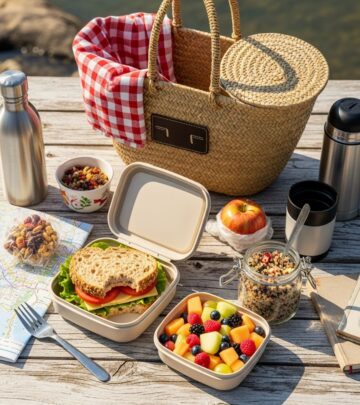
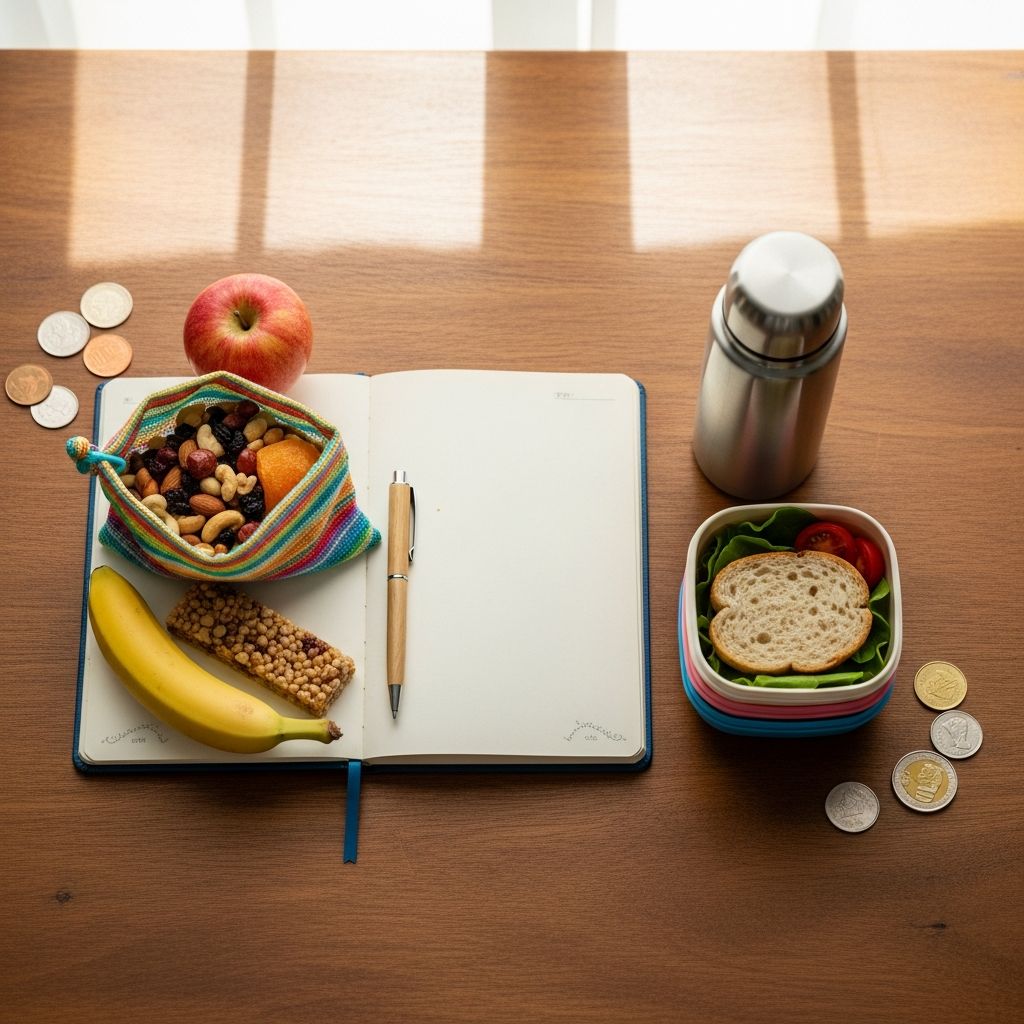
Start your savings before you even leave home by packing non-perishable snacks like trail mix, granola bars, crackers, nuts, dried fruit, and fresh apples or oranges that travel well. These prevent impulse buys at airports where a small bag of chips can cost $7 or more. On road trips, stock up to avoid convenience store markups, which can be 50-100% higher than grocery prices. Pro tip: Use resealable bags to portion snacks and keep them fresh. This simple habit alone can save $20-50 per day on munchies.
2. Bring a Water Bottle
Avoid the $5-8 price tag on bottled water at tourist sites and airports by carrying a reusable, empty water bottle through security (TSA allows under 3.4 ounces initially). Refill at fountains, fast-food spots, hotel lobbies, or filtered stations increasingly common in public areas. In hot climates or during hikes, this keeps you hydrated without extra costs. Bonus: Many cities now have public refill maps via apps like WeTap. Savings add up fast—easily $10-20 daily.
3. Go Grocery Shopping
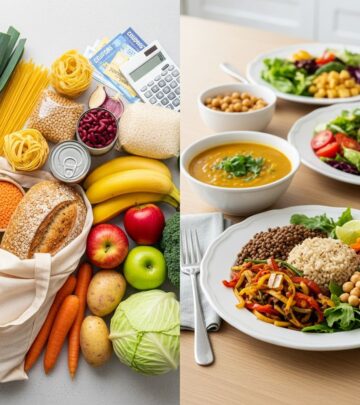
If your lodging has a kitchen, mini-fridge, or microwave, hit local supermarkets upon arrival. Buy staples like bread, peanut butter, cereal, oatmeal, yogurt, fruit, cheese, deli meats, and veggies for breakfasts, lunches, and snacks. Prepare sandwiches, salads, or simple microwave meals for a fraction of restaurant prices—often 70% less. For road trips, pack a cooler with ice packs for perishables. Even without full facilities, stock easy options like protein bars or instant noodles. Shop at discount chains like Aldi or ethnic markets for better deals on rice, spices, and produce. This tip shines for longer stays, turning one $50 grocery run into multiple meals.
4. Choose Lunch Over Dinner
High-end restaurants charge premium dinner prices, but lunch menus often feature the same dishes at 20-40% less. Time your splurge for midday, then opt for cheap dinners like grocery salads or hotel snacks. Many spots offer ‘prix fixe’ lunches or happy hour bites. Research menus in advance to confirm—your gourmet pasta might cost $15 at lunch vs. $28 at dinner. Pair with tip #8 (order water) for maximum savings on that one nice meal.
5. Find Discounts
Leverage deal sites like Groupon, LivingSocial, or Restaurant.com for 50% off vouchers and discounted gift cards (buy at 20-40% off on Raise.com). Check hotel lobbies for coupon books, visitor centers for brochures, or apps like Yelp for daily specials. Celebrate birthdays? Chains like Denny’s or Red Lobster offer free meals with proof. Local tourism boards often list BOGO deals. Always verify terms to avoid restrictions, but these can halve your bill effortlessly.
6. Use Free Apps to Help You Save on Gas and Food
Road trippers, apps like Upside offer cash back on dining and fuel—up to 25¢/gallon on gas and 10-20% at restaurants. Scan receipts post-purchase for instant payouts via PayPal. Other apps: Ibotta for grocery rebates, GasBuddy for cheapest pumps, and Fetch Rewards for scanning any receipt. Frequent users report $200+ yearly savings. Download before your trip and link your card for seamless tracking.
7. Order Appetizers as a Meal
Appetizers pack flavor and portion without entree prices—often $8-12 vs. $20-30 mains. Share plates or add a side salad/soup for a full meal under $20. Check menus: Nachos, wings, bruschetta, or empanadas fill you up. Servers rarely mind, and it leaves room for free bread. Ideal for casual spots; combine with happy hour for even bigger wins.
8. Order Water
Skip sodas ($3-5), beers ($7+), or cocktails ($12+)—water is free and healthy. Pre-meal hydration curbs overordering, reduces dessert temptation, and combats travel dehydration from planes or walking tours. Tap water is safe in most developed spots; ask for lemon if wary. This cuts bills 20-30% instantly, plus leftovers for tomorrow.
9. Skip the Dessert (or Split It)
Desserts add $6-10 unnecessarily. Fill up on appetizers or bread, then share one if craving sweets—halves the cost. Better yet, grab grocery ice cream later. Hotels often have free cookies/fruit; save room for those.
10. Research Dining Options in Advance
Pre-trip, use Google Maps, Yelp, or TripAdvisor to scout affordable eats near your itinerary. Filter by price ($$ under), read recent reviews for value spots, and note menus/prices. Avoid tourist traps; seek ‘locals only’ gems via Reddit or EatWith for home-cooked deals. Build a shortlist to dodge $40/person regrets.
11. Embrace Free Food and Drinks
Maximize hotel perks: continental breakfasts (load plates for lunch), lobby coffee/cookies. Brewery/winery tours offer generous samples. Visit friends/relatives for home meals. Farmers markets have free tastes; conventions or events often feature giveaways. Free is the ultimate budget hack—never pass it up.
Bonus Strategies for Bigger Savings
Beyond the core 11, consider meal-prep services with pickup, street food (cheaper, authentic), or picnics in parks. For families, seek kids-eat-free nights. Track expenses via apps like Trail Wallet to stay accountable.
| Tip | Potential Daily Savings | Best For |
|---|---|---|
| Pack Snacks + Water | $15-30 | All trips |
| Grocery Shop | $40-60 | Stays w/ kitchen |
| Lunch Over Dinner | $20-40 | Fine dining fans |
| Apps & Discounts | $10-25 | Road trips |
Frequently Asked Questions (FAQs)
Can I really save hundreds on food while traveling?
Yes, combining 4-5 tips like grocery shopping and packing snacks can cut costs by 50-70%, saving $100-300 on a week-long trip for a couple.
Is it safe to grocery shop abroad?
Stick to sealed packaging and cook thoroughly; avoid raw street produce if unsure. In Europe/US/Canada, supermarkets are reliable as home.
What if my hotel has no kitchen?
Use the mini-fridge for yogurt/fruit/sandwiches; many have microwaves for oatmeal. Worst case, picnic-style meals work anywhere.
Are food apps worth it for short trips?
Absolutely—Upside or Groupon pay off even on weekends with quick cash back and deals.
How do I avoid tourist pricing?
Research via Yelp (sort by $ and reviews), eat off-main paths, and go during off-peak hours.
References
- Consumer Price Index for Food Away from Home — U.S. Bureau of Labor Statistics. 2025-10-15. https://www.bls.gov/cpi/
- Travel Cost Trends Report — U.S. Travel Association. 2025-06-01. https://www.ustravel.org/research/
- Food Away From Home Expenditures — USDA Economic Research Service. 2025-09-20. https://www.ers.usda.gov/data-products/food-dollar-series/
- Upside App Cash Back Data — Upside Official Site. 2025-11-01. https://upside.com/
- Restaurant Discount Platforms Review — Federal Trade Commission Consumer Reports. 2024-12-10. https://www.ftc.gov/news-events
Similar Articles








Read full bio of Sneha Tete