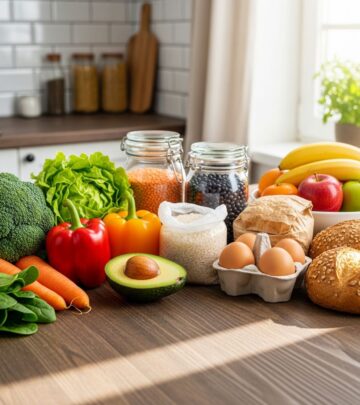
How To Save Money On Food: 9 Smart Ways To Eat Well
Discover proven strategies to slash your grocery bill while enjoying nutritious, delicious meals every day without waste or sacrifice.
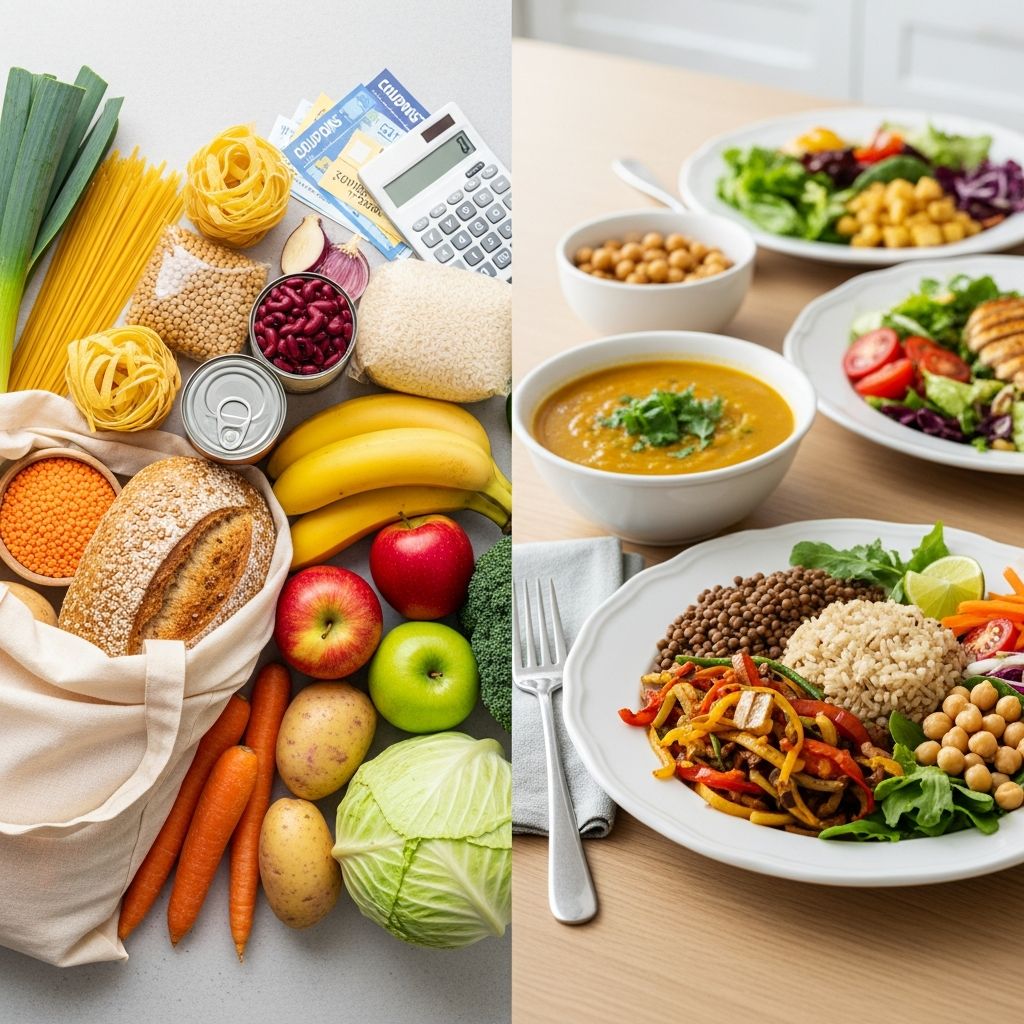
With grocery prices soaring, saving money on food while maintaining a healthy, enjoyable diet is more crucial than ever. This comprehensive guide shares actionable strategies to trim your food budget, reduce waste, and eat well without feeling deprived. Whether you’re cooking for one or a family, these tips—drawn from proven methods—can help you save hundreds annually while nourishing your body.
Why Saving on Food Matters Now
Food inflation has hit hard, with average grocery bills rising significantly in recent years. According to the U.S. Bureau of Labor Statistics, food-at-home prices increased by over 20% from 2020 to 2023, and trends continue upward. Yet, by adopting smart habits like meal planning and strategic shopping, households can cut costs by 20-30% without sacrificing nutrition or flavor. The key is balancing convenience, quality, and thriftiness.
1. Master Meal Planning for Savings
Meal planning is the foundation of grocery savings. It prevents impulse buys, minimizes waste, and ensures variety. Start by scanning weekly sales flyers from stores like Walmart, Aldi, or Kroger to build your plan around discounts.
- Plan 3-5 meals weekly: Focus on recipes sharing ingredients, like a chicken stir-fry and chicken salad, to avoid excess purchases.
- Portion for reality: For singles, halve recipes; families can scale up sales buys.
- Include leftovers: Design meals that taste better day two, extending value.
For one-person households, select 2-3 recipes with overlapping items—e.g., rice, veggies, and protein for stir-fry, fried rice, and bowls. This approach cuts waste by 50%, per USDA estimates on household food loss. Spend 30 minutes Sunday planning to save hours and dollars mid-week.
2. Shop Smart: Coupons, Apps, and Sales
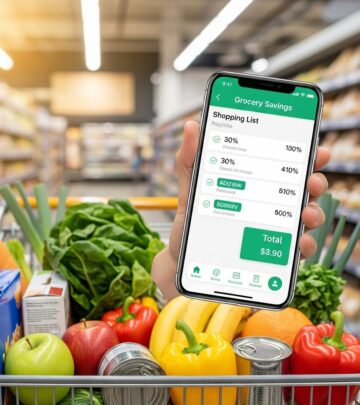
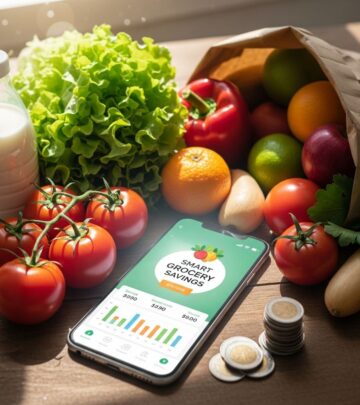
Leverage digital tools and promotions to slash bills. Apps like Ibotta, Fetch Rewards, and Flipp aggregate coupons and cashback, often yielding 5-15% off per trip.
| Tool | How It Saves | Potential Annual Savings |
|---|---|---|
| Coupon Apps (Ibotta) | Scan receipts for rebates | $200-400 |
| Sales Flyers (Flipp) | Compare store deals | $150+ |
| Cashback Cards | 3-6% on groceries | $100-300 |
Always shop with a list, post-meal to curb hunger-driven buys. Hunt BOGO deals on staples like pasta or canned goods—stock up without overbuying perishables.
3. Harness Your Freezer: Bulk Buy Without Waste
The freezer extends ingredient life, enabling bulk purchases at peak discounts. Freeze berries, meats, breads, and prepped meals in single portions.
- Produce hacks: Wash, chop, and freeze fruits/veggies in bags.
- Meal prep: Cook chilis, soups, or casseroles in batches; portion for grab-and-go.
- Bulk proteins: Buy family packs of chicken or ground beef, divide, and freeze.
This method saves up to $500 yearly by reducing spoilage, as fresh produce waste averages $1,500 per U.S. household annually. Label with dates for optimal use within 3-6 months.
4. Stock a Budget Pantry
Pantry staples are inexpensive, long-lasting powerhouses. Prioritize dry goods like rice, beans, lentils, pasta, oats, canned tomatoes, and broth.
Buy on sale: A 10-lb rice bag for $5 lasts months. Canned beans ($0.80/can) offer protein cheaper than meat. Rotate stock via FIFO (first in, first out) to prevent expiration.
- Rice/pasta: Base for endless meals.
- Beans/lentils: High-fiber, filling proteins.
- Canned fish/veggies: Quick, nutritious adds.
A well-stocked pantry cuts takeout reliance, saving $1,000+ yearly.
5. Food-Saving Hacks for Freshness
Produce spoilage hits singles hardest. Extend life with these tricks:
- Herbs: Chop, freeze in olive oil ice cubes for cooking.
- Greens: Wrap in damp towel, store in airtight bin.
- Avocados/Bananas: Store unripe together; ripen separately.
- Lemons: Microwave 20 seconds before juicing; freeze juice.
These hacks preserve 2-3x longer, per food safety guidelines.
6. Invest in Tools That Pay Off
Quality tools reduce waste long-term. Essentials for under $50 total:
- Airtight containers: Glass or silicone for fridge/freezer stacking.
- Kitchen scale: Precise portions prevent overcooking.
- Food saver/vacuum sealer: Doubles meat life.
- Reusable beeswax wraps: Eco-friendly produce cover.
ROI is quick—a $20 scale avoids $100+ yearly pasta waste.
7. Try Meal Kits for Convenience
For busy folks, meal kits like HelloFresh or EveryPlate deliver pre-portioned ingredients for 1-2 servings. Savings come from no overbuying spices/produce; plans start at $5-7/meal.
Pros: Time-saving, variety. Cons: Higher per-meal than full DIY. Ideal for 1-2 dinners weekly.
8. Embrace Vegetarian Meals
Plant-based eating slashes costs—beans cost 1/4th of beef. Hearty veggie meals like lentil curry or chickpea stir-fry satisfy and store well.
- Save $5-10/meal vs. meat-heavy.
- Health perks: More fiber, fewer calories.
- Flexitarian: Meat 2-3x/week max.
Vegetarian shifts can halve protein budgets.
9. Make It Yourself: Huge Savings
Homemade beats store-bought on cost and quality. Examples:
| Item | Store Cost (Annual) | Homemade Cost | Savings |
|---|---|---|---|
| Pizza | $327 | $80 (tortillas) | $247 |
| Hummus | $78 | $42 | $36 |
| Lunchables (x3/wk) | $259 | $105 | $154 |
| Granola | $448 | $295 | $153 |
| Broth | $36 | $17 | $19 |
Total potential: $570/year. Recipes are simple, kid-friendly.
Bonus: Farmers Markets & Seasonal Shopping
End-of-day market deals offer cheap produce. Buy in-season for 30-50% less.
Frequently Asked Questions (FAQs)
Q: How much can I realistically save on groceries?
A: 20-40% with consistent planning, apps, and hacks—$1,000+ yearly for families.
Q: Best apps for grocery savings?
A: Ibotta, Fetch, Flipp for cashback and flyers.
Q: How to meal plan for one person?
A: Choose 2-3 overlapping recipes, portion small, freeze extras.
Q: Are meal kits worth it?
A: Yes for time-crunched; $5-9/serving beats takeout.
Q: Vegetarian meal ideas for beginners?
A: Lentil soup, veggie stir-fry, bean burritos—cheap and filling.
References
- Consumer Price Index for Food — U.S. Bureau of Labor Statistics. 2023-12-12. https://www.bls.gov/cpi/
- Food Waste FAQs — United States Department of Agriculture. 2024-02-15. https://www.usda.gov/foodwaste/faqs
- Household Food Waste — USDA Economic Research Service. 2023-08-01. https://www.ers.usda.gov/topics/food-markets-prices/food-waste-loss/
- Retail Food Price Outlook — Economic Research Service, USDA. 2025-01-10. https://www.ers.usda.gov/data-products/food-price-outlook/summary-findings
- Penny Hoarder Grocery Savings Tips — The Penny Hoarder. 2024-06-20. https://www.thepennyhoarder.com/save-money/save-on-groceries-for-one-person/
Similar Articles








Read full bio of medha deb