Save Money On Food: 6 Easy Items To Make At Home
Slash your grocery bill by up to $570 a year with these simple homemade recipes for everyday essentials you buy too often.
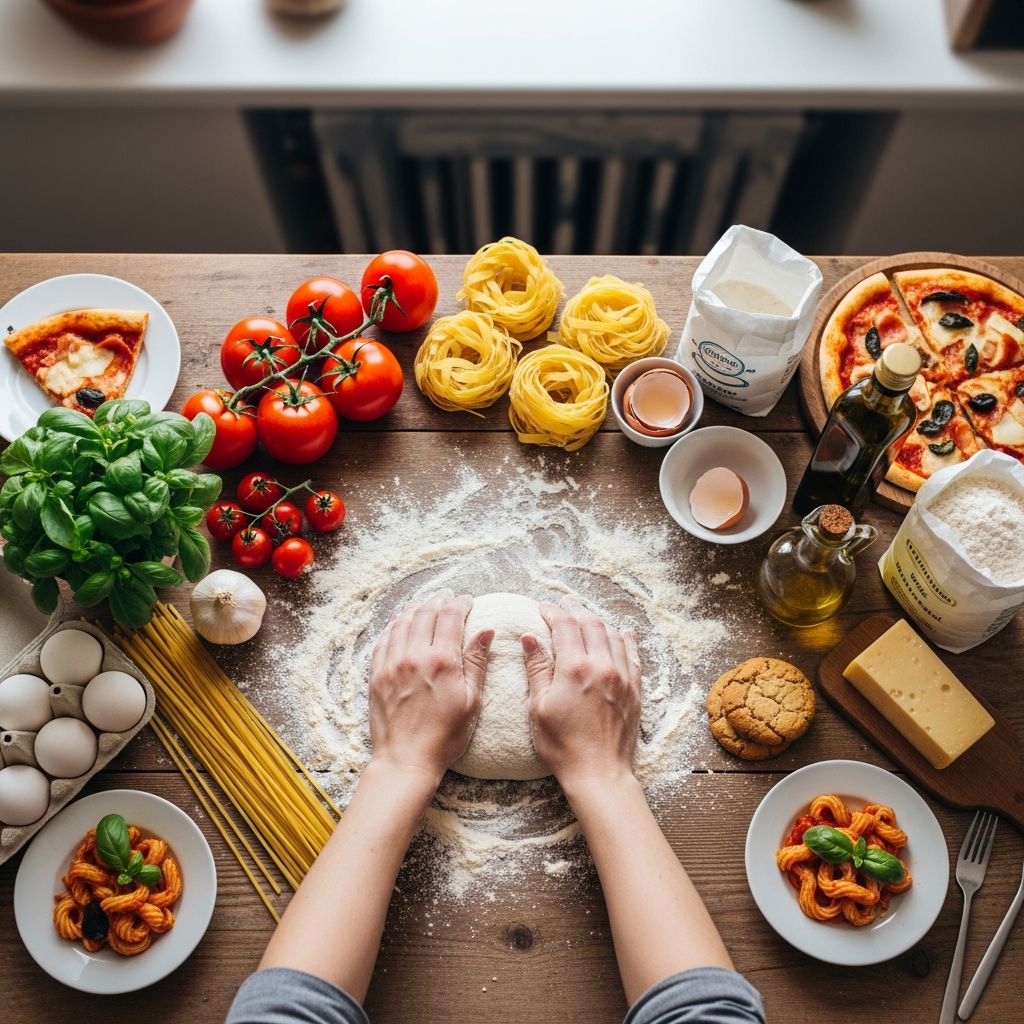
It’s easy to strain your grocery budget these days with rising food prices, but there’s a smart hack: make everyday essentials at home. These six simple recipes can save you up to $570 a year while giving you fresher, healthier options tailored to your taste.
Store-bought convenience foods come with hefty markups—often 200-500% more than basic ingredients. By preparing them yourself, you control portions, avoid preservatives, and cut waste. This approach works for busy families, singles, or anyone watching their wallet. Let’s dive into the top items to make at home, complete with recipes, cost breakdowns, and tips.
1. Homemade Bread: Fresh Loaves for Pennies
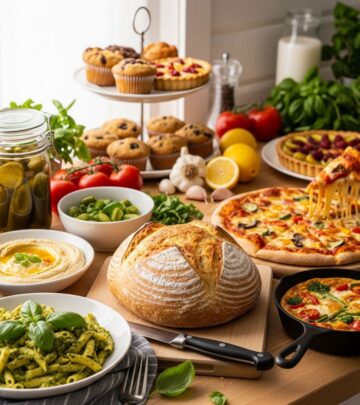
Bread is a staple, but bakery or sliced loaves cost $3-5 each. Making your own yields multiple loaves for under $2 total, saving $20-30 monthly. Flour, yeast, and water are cheap pantry basics, and no special equipment is needed beyond a mixing bowl.
Basic Homemade Bread Recipe (Makes 2 loaves):
- 3 cups warm water (110F)
- 1 tbsp active dry yeast
- 1/4 cup honey or sugar
- 1/4 cup vegetable oil
- 1 tbsp salt
- 6-7 cups all-purpose flour
- Dissolve yeast in warm water with honey; let sit 10 minutes until foamy.
- Add oil, salt, and 3 cups flour; mix. Gradually add remaining flour until dough pulls away from bowl.
- Knead 8-10 minutes on floured surface. Place in greased bowl, cover, rise 1 hour.
- Punch down, divide, shape into loaves. Place in greased pans, rise 30 minutes.
- Bake at 350F for 30-35 minutes until golden. Cool on rack.
Cost per loaf: ~$0.75 vs. $4 store-bought. Customize with herbs, seeds, or whole grains. Freeze extras in slices for toast or sandwiches—no waste.
Pro tip: Buy flour in bulk during sales. A 5-lb bag (~$3) makes 10+ loaves.
2. Yogurt: Creamy and Probiotic-Rich Savings
Store yogurt runs $1-2 per cup, but homemade costs pennies per serving—up to $100 yearly savings for a daily eater. You need just milk and a starter culture.
Simple Stovetop Yogurt (Makes 8 cups):
- 1/2 gallon whole milk
- 2 tbsp plain yogurt with live cultures (starter)
- Heat milk to 180F, stirring to prevent scorching. Cool to 110F.
- Whisk in starter yogurt. Pour into jars.
- Incubate 4-12 hours in a cooler with hot water, oven with light on, or yogurt maker. Longer = tangier.
- Chill 4 hours. Save 2 tbsp as next starter.
Cost: $2-3 per batch vs. $12+ store equivalent. Flavor with fruit, honey, or granola. It’s thicker, fresher, and packed with probiotics.
For singles, halve the recipe and use freezer bags for portions. USDA guidelines confirm home yogurt is safe if heated properly to kill bacteria[web:0].
3. Salad Dressings: Ditch the Bottles
A bottle of vinaigrette or ranch costs $3-5 and goes to waste half-used. Homemade takes 5 minutes, costs $0.50 per cup, saving $50+ yearly.
Classic Vinaigrette (Makes 1 cup):
- 3/4 cup olive oil
- 1/4 cup vinegar (balsamic, apple cider)
- 1 tbsp Dijon mustard
- 1 tsp honey
- Salt, pepper, garlic to taste
Shake in jar. Variations: Add herbs for ranch or sesame for Asian. Store in fridge up to 2 weeks.
Cost Comparison Table:
| Item | Store Cost (per cup) | Home Cost (per cup) | Annual Savings (weekly use) |
|---|---|---|---|
| Vinaigrette | $1.50 | $0.50 | $52 |
| Ranch | $2.00 | $0.60 | $70 |
Fresh dressings taste better and let you skip additives.
4. Pasta Sauce: Rich Tomato Base from Scratch
Jarred sauce: $2-4 per jar. Homemade marinara from canned tomatoes costs $1 per quart, saving $100+ yearly. Use summer tomatoes if available.
Easy Marinara (Makes 4 cups):
- 2 tbsp olive oil
- 1 onion, chopped
- 3 garlic cloves, minced
- 28-oz can crushed tomatoes
- Herbs (basil, oregano), salt, pepper
- Sauté onion and garlic in oil 5 minutes.
- Add tomatoes and herbs; simmer 20-30 minutes.
- Blend if smooth desired. Freeze in portions.
Versatile for pasta, pizza, soups. Bulk-canned tomatoes on sale amplify savings.
5. Stock/Broth: Flavorful Base for Soups and More
Boxes of broth: $2-3 each. Kitchen scraps make free stock, saving $150 yearly. Compost becomes gold.
Vegetable Stock (Makes 8 cups):
- Scraps: onion skins, carrot ends, celery leaves
- Herbs, peppercorns
- Water to cover
- Simmer scraps 1-2 hours. Strain.
- Reduce for flavor. Freeze in ice cube trays.
Chicken/Beef: Use bones from roasts. FDA notes proper cooking eliminates risks[web:1].
6. Granola: Crunchy, Custom Breakfast Bars
Store granola: $5-7/lb. Homemade: $2/lb, saving $75 yearly. Oats are dirt cheap.
Simple Granola (Makes 6 cups):
- 4 cups oats
- 1 cup nuts/seeds
- 1/2 cup maple syrup/honey
- 1/4 cup oil
- Spices, dried fruit
- Mix, bake at 300F 25-30 minutes, stirring.
- Cool to crisp. Store airtight.
Portion for snacks. Bulk oats save more.
Total Savings Breakdown
Conservative estimate: $95/year per item x 6 = $570. Real users report more with bulk buying. Pair with meal planning to avoid waste.
| Item | Weekly Store Cost | Weekly Home Cost | Yearly Savings |
|---|---|---|---|
| Bread | $5 | $1.50 | $182 |
| Yogurt | $4 | $0.75 | $168 |
| Dressings | $2 | $0.50 | $78 |
| Sauce | $3 | $1 | $104 |
| Stock | $2.50 | $0.25 | $113 |
| Granola | $3 | $1 | $104 |
| Total | $19.50 | $5 | $749 |
Adjust for family size; scales up savings.
Bonus Tips for Maximum Savings
- Shop Sales: Stock staples like flour, oats during BOGO.
- Freezer Hacks: Portion and label to prevent spoilage.
- Tools: Mason jars, kitchen scale for precision.
- Vegetarian Twist: Plant-based versions cheaper, last longer.
Frequently Asked Questions (FAQs)
Q: How much time do these recipes take?
A: Most under 30 minutes active time; rising/baking is hands-off. Ideal for weeknights.
Q: Can beginners make these?
A: Yes—simple ingredients, no fancy skills. Start with bread or dressing.
Q: Is homemade safer/healthier?
A: Fresher, no preservatives. Follow temps for safety (e.g., yogurt to 180F)[web:0].
Q: How to store for singles?
A: Freeze small portions; use ice cube trays for sauces/stock.
Q: What if I lack space?
A: Scale recipes down; focus on no-cook like dressings.
Embracing homemade cuts costs dramatically while boosting skills and flavor. Start with one item this week—your budget will thank you.
References
- USDA Complete Guide to Home Canning — United States Department of Agriculture. 2023-06-15. https://nchfp.uga.edu/publications/publications_usda.html
- Food Cost and Availability Data — U.S. Bureau of Labor Statistics. 2025-01-10. https://www.bls.gov/data/
- Consumer Expenditure Survey on Food Prices — U.S. Census Bureau. 2024-12-01. https://www.census.gov/data/tables/time-series/demo/income-poverty/cps-pce.html
- Food Safety Guidelines for Homemade Dairy — FDA Center for Food Safety. 2024-08-20. https://www.fda.gov/food/buy-store-serve-safe-food/food-safety-home
- Household Food Waste Reduction Strategies — EPA Sustainable Management of Food. 2025-02-05. https://www.epa.gov/smm/sustainable-management-food
Similar Articles








Read full bio of Sneha Tete