How To Save Money On A Car: 7 Smart Ways
Discover proven strategies to drastically cut costs when buying, owning, and maintaining your next vehicle without sacrificing quality.
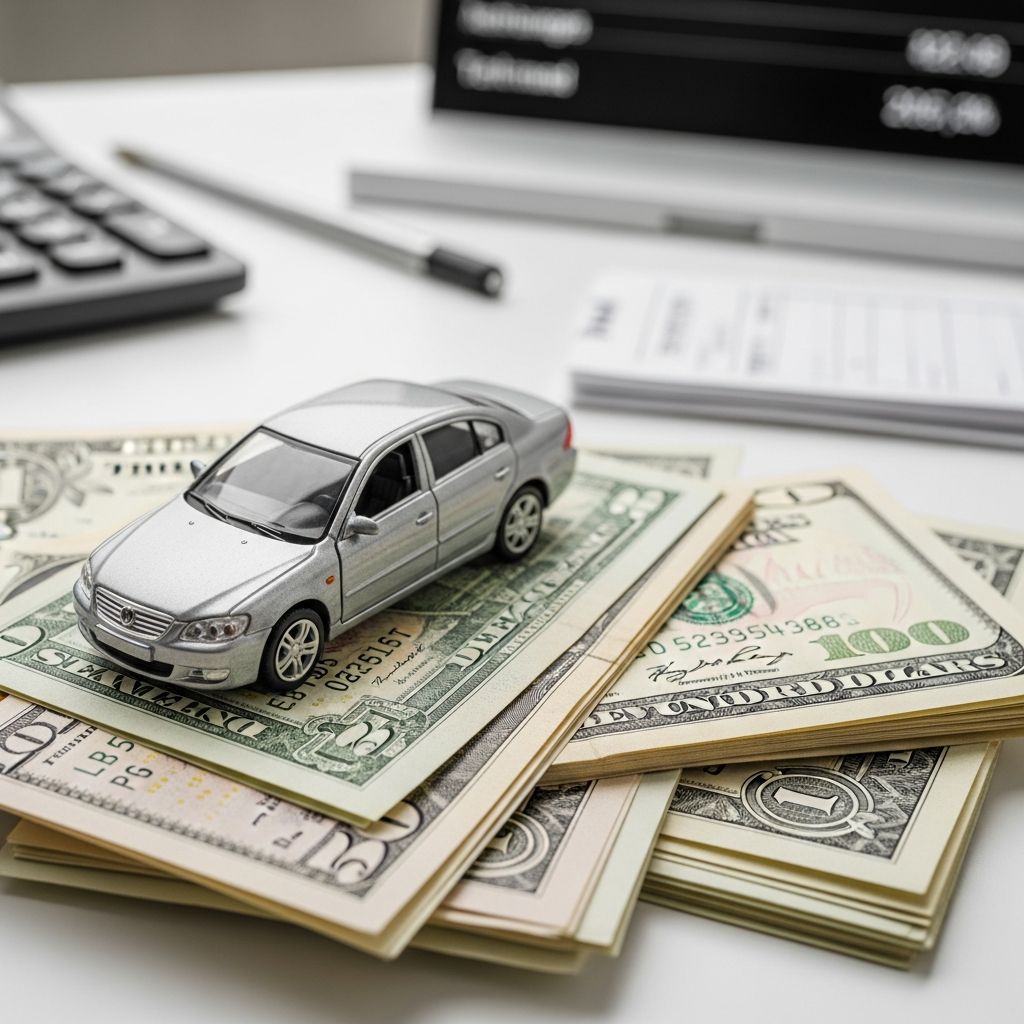
Buying and owning a car doesn’t have to drain your bank account. With the right strategies, you can save thousands of dollars over the vehicle’s lifetime. This comprehensive guide draws from proven personal finance advice to cover every stage—from smart purchasing decisions to ongoing maintenance and resale. Whether you’re buying new, used, or financing, these tips will help you make informed choices that prioritize your wallet.
1. Buy Smart: Research Before You Shop
The foundation of saving money on a car starts with thorough research. Never rush into a purchase based on impulse or flashy ads. Begin by determining your actual needs versus wants. Do you need a spacious SUV for family trips or a fuel-efficient sedan for commuting? Defining this prevents overspending on unnecessary features.
- Assess your budget: Calculate total ownership costs including purchase price, insurance, fuel, maintenance, and depreciation. Aim to keep your car payment under 10-15% of your monthly take-home pay.
- Use online tools: Websites like Kelley Blue Book, Edmunds, and Consumer Reports provide fair market values, reliability ratings, and cost-to-own estimates.
- Timing matters: Shop at month-end, quarter-end, or year-end when dealers are motivated to meet quotas. Avoid peak seasons like spring when demand is high.
Pro tip: Create a shortlist of 3-5 models that match your criteria. Compare fuel economy ratings from the EPA—small differences can save hundreds annually in gas costs.
2. Pay Cash Whenever Possible
One of the most powerful saving strategies is paying cash for your vehicle. According to financial experts, avoiding loans eliminates interest charges that can add thousands over the loan term. For example, a $20,000 car loan at 5% interest over 60 months costs over $2,600 extra in interest.
Build a dedicated car fund by setting aside $200-500 monthly. Use high-yield savings accounts to grow your money faster. If cash purchase isn’t feasible for a newer model, target used cars under $15,000 where savings compound quickly.
| Scenario | Upfront Cost | Interest Paid | Total Cost |
|---|---|---|---|
| Full Cash | $20,000 | $0 | $20,000 |
| 60-Month Loan @5% | $3,667 (20% down) | $2,645 | $22,645 |
| 36-Month Loan @5% | $5,556 (20% down) | $1,500 | $21,500 |
As shown, shorter loans or cash payments dramatically reduce total expense. Financial advisors emphasize preserving cash reserves while noting cash buys give superior negotiating power—no dealer financing markups.
3. Master the Art of Negotiation
Dealers build profit margins into every price. Never accept the sticker price. Start by researching invoice pricing (what the dealer paid) via sites like TrueCar. Your opening offer should be 5-10% below invoice, leaving room for ‘concessions.’
- Negotiate total price, not payments: Focusing on monthly payments lets dealers extend terms and hide costs. Always discuss out-the-door price including fees and taxes.
- Get pre-approved financing: Credit unions offer rates 1-2% lower than dealers. Bring approval letters to leverage better terms.
- Walk away tactic: Be willing to leave. This often prompts better offers as dealers hate losing sales.
- Bargain extras separately: Rustproofing, fabric protection—these are pure profit with little value.
Real-world example: Buyers who negotiate save an average $1,200 on new cars and $800 on used, per Consumer Reports data.
4. Choose Fuel-Efficient Features
Opt for must-have features that lower long-term costs. Prioritize hybrids, turbocharged engines, or mild hybrids over large V8s. Look for cylinder deactivation and automatic start-stop systems that improve MPG by 5-10%.
- Aerodynamic design: Sleek shapes reduce drag, saving 1-2 MPG at highway speeds.
- Low-rolling-resistance tires: Improve efficiency without sacrificing safety.
- Efficient transmissions: 8-10 speed automatics outperform older 4-speeds.
Bonus: Select models with strong resale value like Toyota Camry or Honda Civic. These retain 50-60% value after 5 years versus 40% for average cars.
5. Maintenance Hacks for Car Owners
Ongoing savings come from proactive maintenance. Skipping oil changes or tire rotations leads to expensive repairs. Follow the 5,000-7,500 mile service interval religiously.
- DIY basics: Change air filters ($20 vs. $80 at shop), top off fluids, and clean battery terminals.
- Tire care: Maintain 32-35 PSI, rotate every 6,000 miles—extends life 20%.
- Brake monitoring: Listen for squeals; pads cost $200-400 vs. $1,000+ for rotors.
- Shop around: Independent mechanics charge 30-50% less than dealers for same work.
Track expenses in a spreadsheet. Many owners save $500+ yearly through these habits.
6. Insurance and Registration Savings
Compare quotes annually—rates drop as driving record improves. Bundle auto/home for 10-25% discounts. Increase deductibles from $500 to $1,000 if you have emergency savings.
- Usage-based insurance: Apps track safe driving for up to 30% savings.
- Low-mileage discounts: Under 7,500 miles/year? Qualify for reduced premiums.
- State registration: Some offer hybrid/EV credits up to $400.
Average savings: $300-600/year per household.
7. Buy Used Wisely
Used cars depreciate slower—save 20-40% upfront. Target 2-4 year-old certified pre-owned (CPO) vehicles with remaining warranty. Check Carfax for accident history and service records.
Inspect with a mechanic ($100-150 fee saves thousands). Private sales beat dealers by 10-15%, but add title/registration hassles.
Long-Term Ownership Strategies
Keep cars 10+ years to amortize costs. Drive gently: Smooth acceleration saves 10% fuel. Park in garages to prevent cosmetic damage. When selling, clean thoroughly and price competitively via KBB instant cash offer.
Frequently Asked Questions (FAQs)
Q: Should I pay cash or finance a car?
Pay cash if possible to avoid interest. If financing, opt for short terms (36 months max) and shop credit unions for best rates. Preserve 3-6 months emergency fund regardless.
Q: What’s the best time to buy a car?
End of month/quarter/year or during holidays like Memorial Day. Dealers offer bigger incentives to hit sales targets.
Q: How can I save on car maintenance?
DIY simple tasks, follow schedules, use independent shops, and buy parts online. Tire rotations and oil changes alone save hundreds yearly.
Q: Is leasing ever cheaper than buying?
Rarely for long-term. Leasing builds no equity and has mileage limits/fees. Buy if keeping 5+ years.
Q: How much should I spend on a car?
20/4/10 rule: 20% down, 4-year loan max, payments ≤10% income. Total ownership under 50% annual income ideal.
References
- Best Money Tips: Must-Have Car Features That Will Save You Money — Wise Bread. 2023. https://www.wisebread.com/best-money-tips-must-have-car-features-that-will-save-you-money
- Best Money Tips: How Car Owners Can Save Money — Wise Bread. 2023. https://www.wisebread.com/best-money-tips-how-car-owners-can-save-money
- Best Money Tips: Save Money on a Car — Wise Bread. 2023. https://www.wisebread.com/best-money-tips-save-money-on-a-car
- Best Money Tips: How to Save Money on a Car — Wise Bread. 2023. https://www.wisebread.com/best-money-tips-how-to-save-money-on-a-car
- Should You Spend All Your Cash On A Car? — Wise Money Show (YouTube). 2025-08-06. https://www.youtube.com/watch?v=c4yUDfLDZBE
Similar Articles








Read full bio of Sneha Tete