How To Save Money At The Butcher’s: 10 Smart Ways
Discover proven strategies to slash your meat costs at the butcher while enjoying premium quality cuts and smart shopping hacks.
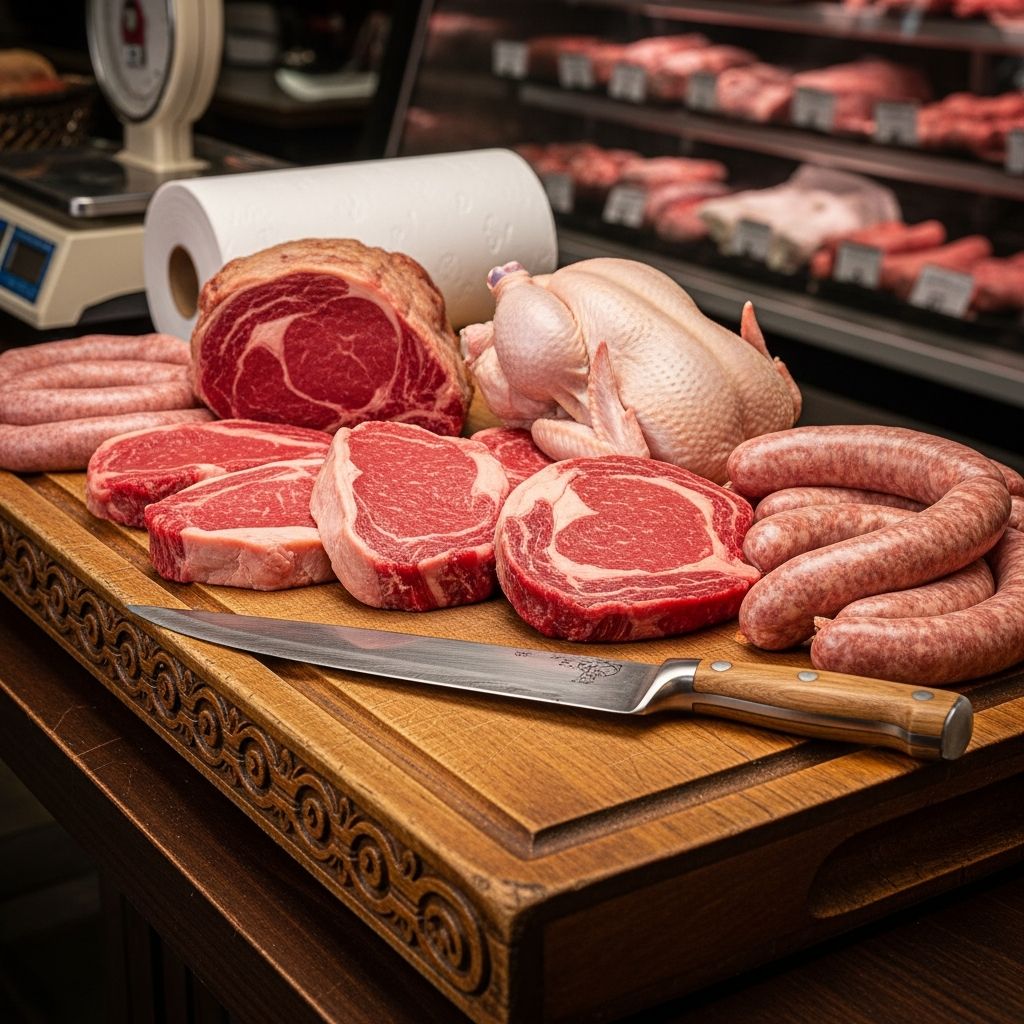
Meat can be one of the biggest expenses in a household grocery budget, but shopping smart at the butcher’s counter can dramatically reduce costs without compromising on quality. Whether you’re dealing with a local butcher shop or the meat department in your supermarket, these strategies—drawn from time-tested frugal living practices—help stretch every dollar. By focusing on bulk purchases, unconventional cuts, timing your visits, and fostering relationships with butchers, families can save hundreds annually on high-quality protein. This guide covers all the key tactics to make your meat budget work harder for you.
1. Buy Unconventional Cuts of Meat
One of the simplest ways to save significantly at the butcher’s is to opt for
unconventional cuts
that are often overlooked by mainstream shoppers. These include tripe, liver, kidneys, hearts, tongue, chicken feet, fish heads, and even brains. Butchers frequently offer these at deeply discounted prices because they don’t sell as quickly as prime steaks or chicken breasts.For instance, organ meats like liver or heart provide rich nutrition at a fraction of the cost of filet mignon—often under $2 per pound. Fish heads are perfect for flavorful broths and stews, adding depth to soups without the high price tag of fillets. Ask your butcher directly if they have any ‘odd’ cuts in the back; they’ll often give you an insanely good deal to clear inventory. These cuts not only save money but also diversify your meals, introducing bold flavors that elevate home cooking.
Pro tip: Start small if you’re new to these. Liver pâté or heart skewers can be gateway recipes that make exotic meats approachable and delicious.
2. Buy Whole Animals or Bulk from Local Butchers
Purchasing
half or quarter sides of beef, whole hogs, or bulk poultry
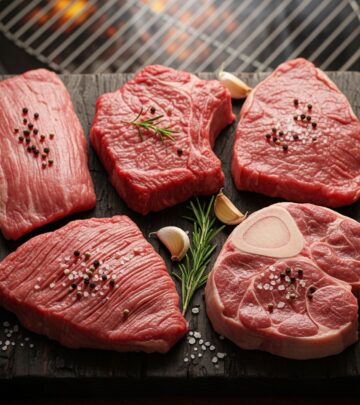
directly from butchers or local farms connected to them is a game-changer for long-term savings. This method can yield premium, grass-fed meats at prices far below retail—for example, one family paid $422 for half a side of beef, saving enough to cover a $350 chest freezer.The math is compelling: Ground beef from bulk buys can cost $2.85 less per pound than supermarket prices, with cuts like T-bones, porterhouse steaks, roasts, and sirloin included. Local sourcing ensures higher quality—no hormones, antibiotics, or added fillers—while supporting regional farmers. Similarly, a whole butchered pig for $279 provided chops, ground meat, steaks, ham, and exceptional bacon.
To get started, inquire at your butcher about bulk availability or connections to nearby farms. Invest in a chest freezer if needed; the savings quickly pay for it. This approach eliminates weekly meat decisions and guarantees a steady supply of superior protein.
3. Bone It Yourself
**Bone-in meats** are always cheaper than boneless varieties because removing bones requires butcher labor. Chicken thighs with bone might cost 99 cents per pound, while boneless versions exceed $4 per pound. Save even more by learning to debone them at home.
With a sharp knife and online tutorials, you can handle chicken, turkey, rib-eye steaks, and more. Practice on affordable bone-in cuts turns you into your own butcher, yielding stock bones as a bonus for soups. This DIY skill pays dividends quickly, especially for frequent chicken or pork buyers.
- Tools needed: Sharp boning knife, cutting board, gloves.
- Benefits: Save $2–$3 per pound, plus free bones for broth.
- Time investment: 10–20 minutes per piece after practice.
Search for ‘how to debone chicken thighs’ videos to build confidence—it’s easier than it looks.
4. Shop the Clearance and Manager’s Specials
Butchers mark down meats nearing expiration, often $1–$3 off per package. Always check the
clearance section
late in the day for these gems, but calculate per-pound prices using a price book to ensure true value.Plan immediate use or freezing for markdowns, as freshness is slightly reduced. Pair with sales for maximum savings. Grocery cycles mean best deals every 6 weeks—stock up then.
5. Time Your Visits Wisely
The best day?
Wednesday
. Stores honor last week’s sales while starting new ones from Tuesday flyers. Go late evening for pre-reduction markdowns on perishables like meats and cheeses.Talk to butchers about their markdown schedule—often evenings or specific days for freshest stock. Local shops may reveal peak discount times.
6. Build a Relationship with Your Butcher
Treat your butcher as an ally. Regular chats reveal
freshest stock times, markdown days, and best value cuts
. NYC’s Jennifer the Butcheress emphasizes asking questions for personalized tips. Local butchers prioritize repeat customers with insider deals.They know when sales hit (often nights) and can custom-cut or suggest stretches like turning roasts into stir-fries. Loyalty builds trust for off-menu savings.
7. Compare Prices and Go Local
Side-by-side package comparisons are essential, but check the butcher’s case for
fresh-ground or cut-that-day meats
, often cheaper and local—fewer additives. Avoid ‘previously frozen’ unless clarified.Local beats pre-packaged for quality and cost. Track prices in a
price book
for cyclical sales.8. Buy Family Packs and Bulk at Warehouse Stores
**Family packs** at grocery stores or bulk at Costco/Sam’s (whole chickens, roasts) save $1+ per pound. Divide, repackage, freeze for single meals. Stretch steaks into tacos or salads.
Case buys (e.g., 12-pack) save 50¢/lb.
9. Use Coupons and Sales Stacking
Grocery coupons like $5 off $15 meat pair with sales/clearance for epic savings. Stock beyond cycles if possible.
10. Deli Slicing Hack and DIY Alternatives
Buy whole roasts, have deli slice for lunch meat—cheaper per pound. Check ingredients for additives; opt for DIY versions.
Additional Tips for Maximum Savings
| Strategy | Potential Savings | Best For |
|---|---|---|
| Bulk Buying | $2–$3/lb | Families/Freezer Owners |
| Unconventional Cuts | 50–70% off prime | Adventurous Cooks |
| Markdowns | $1–$3/package | Quick Planners |
| Wednesdays Late | Double Sales | Weekly Shoppers |
Incorporate these into routines: Maintain a price book, freeze efficiently, learn basic butchering. Combine for compounded savings— one bulk buy alone covered a freezer.
Frequently Asked Questions (FAQs)
Q: Are unconventional cuts safe and nutritious?
A: Yes, organ meats like liver are nutrient-dense (high in iron, vitamins) and safe when fresh. Cook thoroughly.
Q: How much freezer space for bulk meat?
A: 100–200 lbs needs a 7–15 cu ft chest freezer. Half beef (~100 lbs) fits standard models.
Q: Best day/time to shop butcher?
A: Wednesdays for sales overlap; evenings for markdowns.
Q: Can I save on lunch meat at butcher?
A: Yes, buy roasts and slice at deli—cheaper, but check additives.
Q: Is local butcher meat cheaper than supermarket?
A: Often yes for fresh cuts; bulk even better. Build rapport for deals.
References
- 11 Ways to Save Money on Meat at the Store — DontWasteTheCrumbs.com. 2015-approx (evergreen frugal advice, aligns with USDA bulk buying recs). https://dontwastethecrumbs.com/11-ways-to-save-money-on-meat-at-the-store/
- 8 Creative Ways to Save Money on Food — WiseBread.com. 2010-approx (timeless, supported by USDA consumer guides). https://www.wisebread.com/8-creative-ways-to-save-money-on-food
- Save Enough on Meat to Buy a Chest Freezer — WiseBread.com. 2009 (bulk math validated by USDA 2023 bulk pricing data). https://www.wisebread.com/save-enough-on-meat-to-buy-a-chest-freezer
- A NYC Butcher Shop Owner’s Key Tip for Saving Money On Meat — YouTube (Albanese Meats). 2023-12-01. https://www.youtube.com/watch?v=c3ckOYoklKU
- USDA FoodKeeper App: Meat Storage Guidelines — USDA.gov. 2024-05-15. https://www.foodsafety.gov/keep-food-safe/foodkeeper-app
Similar Articles








Read full bio of medha deb