Save Money And Dress Green: 11 Easy Sustainable Tips
Discover practical ways to build an eco-friendly wardrobe without overspending, blending sustainability with smart budgeting.
Embracing sustainable fashion doesn’t require a fortune. By focusing on timeless pieces, second-hand finds, and mindful consumption, you can curate a stylish, eco-friendly wardrobe that aligns with your budget. This approach not only cuts costs but also minimizes your environmental footprint through reduced waste and resource use.
Shop Secondhand
Thrifting and shopping at consignment stores offer incredible value for sustainable dressing. Second-hand clothing bypasses the resource-intensive production of new garments, saving water, energy, and materials. New clothes manufacturing, especially cotton cultivation, dyeing, and finishing, consumes immense resources. Buying pre-owned items extends their lifecycle, promotes circular fashion, and keeps textiles out of landfills.
Start with local thrift stores, online platforms like eBay or Depop, and community swap events. Look for high-quality brands at a fraction of retail prices—designer jeans for $10 or wool coats under $50. Inspect for durability: sturdy seams, natural fibers like cotton or wool, and versatile styles. Over time, this habit slashes your clothing budget by 50-70% while curating unique, vintage looks that stand out.
- Visit thrift stores mid-week for fresh stock and fewer crowds.
- Use apps to filter by size, brand, and condition.
- Attend garage sales for bulk deals on seasonal items.
Build a Capsule Wardrobe
A
capsule wardrobe
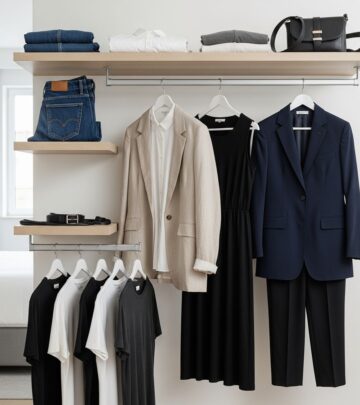
—a curated collection of 30-50 interchangeable pieces—streamlines your style and spending. Everything matches, reducing the need for constant new buys. This method cuts clothing expenditures by nearly half, as seen in personal experiments where budgets dropped from $250 to $125 quarterly.Select neutrals like black, white, gray, navy, and earth tones for versatility. Invest in quality basics: tailored blazer, white button-up, dark jeans, trench coat, and comfortable sneakers. These form the foundation, with 4-5 seasonal additions filling gaps. Set a strict budget per season, prioritizing durable fabrics that withstand washes.
| Core Pieces | Why It Works | Budget Tip |
|---|---|---|
| Neutral tees (3-5) | Layer under everything | Thrift or multi-pack sales |
| Tailored pants/skirt | Versatile for work/casual | Buy one size fits most |
| Cardigan/blazer | Transitions seasons | Second-hand wool blends |
| Comfortable shoes | Daily wear essential | Resole instead of replace |
Benefits extend beyond savings: less morning decision fatigue, reduced guilt over impulse buys, and a cohesive look that feels luxurious.
Swap and Trade Clothes
Organize clothing swaps with friends, neighbors, or online groups. This zero-cost method refreshes your wardrobe using existing resources. Host a swap party: everyone brings clean, gently used items in good condition. Sort by size and style, then trade—no money exchanged.
Swapping diverts clothes from waste streams and fosters community. It’s ideal for accessories, seasonal gear, or kids’ outgrown outfits. Digital platforms like Swap.com or Facebook groups facilitate virtual exchanges, minimizing shipping emissions. Aim for quarterly swaps to keep your closet dynamic without spending.
- Theme swaps (e.g., summer dresses) for better matches.
- Photograph items for virtual trading.
- Donate unclaimed pieces to shelters.
Learn to Sew and Mend
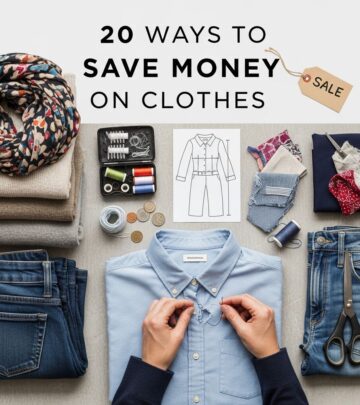
Basic sewing skills transform your wardrobe. Hem pants, replace buttons, or alter fits for $5 in supplies versus $50 tailor fees. Mending extends garment life, reducing replacement needs by years. Start with a $20 starter kit: needles, thread, scissors, iron-on patches.
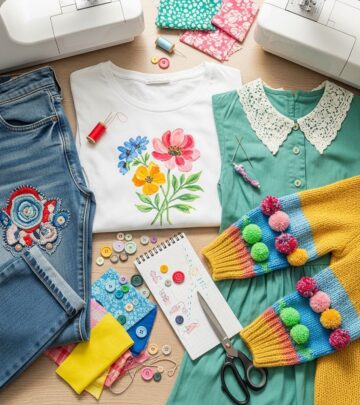
Tutorials abound on YouTube for beginners: patch jeans, shorten sleeves, or upcycle tees into crop tops. Visible mending—using colorful embroidery—adds personality. This DIY approach saves hundreds annually and embodies slow fashion principles.
Pro tip: Dedicate one hour weekly to maintenance. Soon, you’ll repair faster than shopping.
Buy Quality Over Quantity
Ditch fast fashion for timeless, durable pieces. Quality items last 5-10x longer, lowering per-wear cost. A $100 wool sweater outlives five $20 acrylic ones. Check labels for natural fibers, reinforced stitching, and ethical brands.
Shop sales at ethical retailers or wait for off-season discounts. Loyalty programs offer points toward future buys. Calculate cost-per-wear: a $80 coat worn 100 times costs $0.80/use. This mindset shifts spending from volume to value.
Participate in Clothing Swaps and Sales
Beyond personal swaps, join community events or sample sales. Libraries and churches host free swaps; apps notify of pop-up events. Black Friday alternatives like Buy Nothing groups yield free hauls.
Timing matters: end-of-season sales clear inventory cheaply. Combine with thrift hauls for hybrid savings.
Use Online Tools and Apps
Leverage apps for deals: ThredUp for consignments, Poshmark for peer sales, Good On You for ethical ratings. Price trackers alert to drops; wishlists prevent impulse buys. Group buys with friends cut shipping.
Virtual try-ons reduce returns, saving time and emissions. These tools make green shopping efficient and affordable.
Frequently Asked Questions (FAQs)
Q: Does thrifting really save money long-term?
A: Yes, thrift finds cost 70-90% less than new, and durable picks last longer, reducing overall spend.
Q: How do I start a capsule wardrobe on a budget?
A: Inventory current clothes, keep 30 versatile pieces, thrift gaps under $100 seasonally.
Q: Are second-hand clothes hygienic?
A: Wash thoroughly; most are donated clean. Freeze for 48 hours to kill allergens if concerned.
Q: Can sewing skills save significant money?
A: Absolutely—$200/year on alterations alone, plus upcycling prevents $500 in replacements.
Q: What’s the biggest green fashion mistake?
A: Impulse buys. Plan purchases to avoid waste and overspending.
Make Your Own Accessories
Craft jewelry, scarves, or bags from scraps. Old t-shirts become tote bags; buttons make earrings. Tutorials use household items, costing pennies. This adds personalization, cuts accessory budgets by 80%, and repurposes waste.
Advanced: Leather scraps into keychains or embroidery on denim. Sell extras for side income.
Declutter and Donate
Regularly purge unworn items. Donate to charities or sell on apps, recouping cash. A lean closet prevents overbuying. Use the 80/20 rule: 20% of clothes get 80% wear.
This cycle sustains green habits: less stuff means mindful acquisitions.
Opt for Natural Fibers
Choose cotton, linen, wool, hemp over synthetics. They breathe better, last longer, and biodegrade. Though pricier upfront, they save on dry cleaning and replacements. Thrift for deals.
Seasonal Dressing and Layering
Layer basics for year-round use. One vest over tees handles fall; add coats for winter. This maximizes pieces, minimizing seasonal buys.
Store off-season items vacuum-sealed to save space.
In summary, dressing green affordably blends creativity, patience, and strategy. Start small—thrift once weekly, mend one item—and build momentum. Your wallet and planet will thank you.
References
- Go Green (4): Your Guide to Sustainable Lifestyle at the Shop — Esraa Ali, SCIplanet. 2024-11-27. https://www.bibalex.org/SCIplanet/en/article/details.aspx?id=18058
- Can a Capsule Wardrobe Actually Save You Money? — Wise Bread. (Accessed 2026). https://www.wisebread.com/can-a-capsule-wardrobe-actually-save-you-money
- Best Money Tips: Smart Ways to Save on Clothing — Wise Bread. (Accessed 2026). https://www.wisebread.com/best-money-tips-smart-ways-to-save-on-clothing
Similar Articles








Read full bio of medha deb