How To Save For A House While Paying Rent: 9 Practical Steps
Practical strategies to build your down payment and achieve homeownership while managing rent and daily expenses.
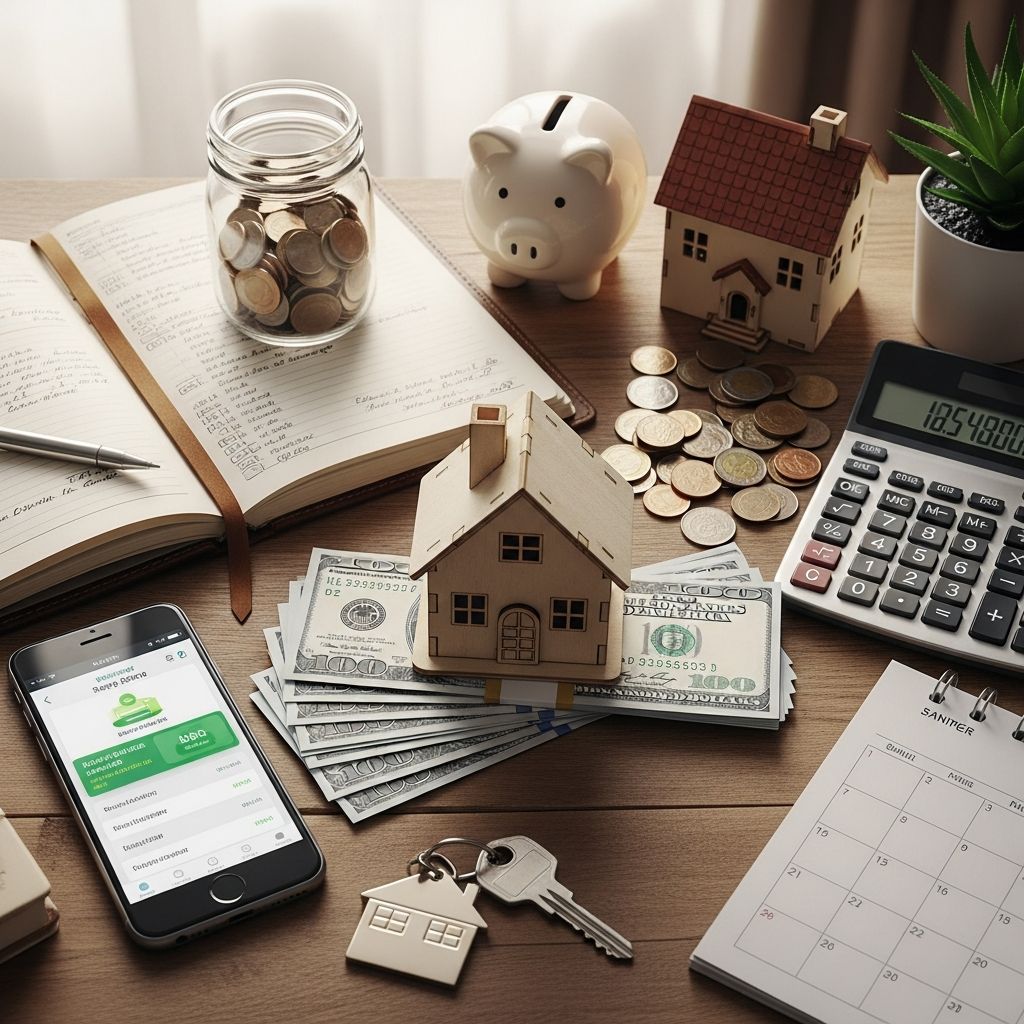
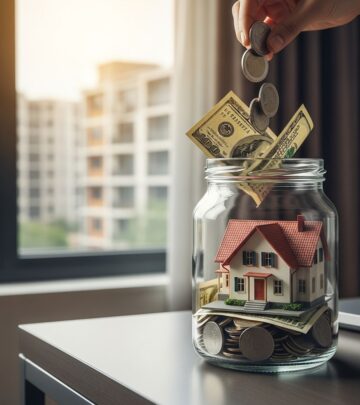
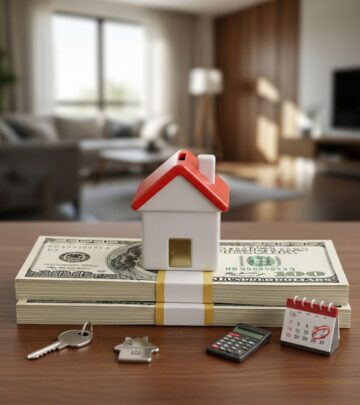
Buying a house is a major milestone, but saving for the down payment can feel overwhelming when rent eats up a big chunk of your income. With disciplined planning, you can build the funds needed for a down payment—typically 3% to 20% of the home price—while covering essentials. This guide outlines actionable steps to create a savings plan, cut unnecessary spending, boost your earnings, and position yourself for mortgage success.
Understand How Much You Need to Save
The first step is calculating your target. A conventional loan often requires 20% down to avoid private mortgage insurance (PMI), but FHA loans allow as little as 3.5% for qualified buyers. For a $300,000 home, that’s $6,000 to $60,000 plus closing costs (2-5% of the price) and reserves for maintenance.
- Down payment: Aim for 20% ($60,000 on $300K) to minimize long-term costs.
- Closing costs: Budget $6,000-$15,000 for fees, appraisals, and title insurance.
- Reserves: Lenders want 2-6 months of mortgage payments in savings post-closing.
- Moving and repairs: Add $5,000-$10,000 for initial setup.
Use online calculators from credible sources like the Consumer Financial Protection Bureau to personalize your goal based on local home prices and your finances.
Create a Realistic Budget
A budget is your roadmap. Track income and expenses for one month to spot leaks, then allocate 20-50% of take-home pay to savings. The 50/30/20 rule—50% needs, 30% wants, 20% savings/debt—works well for renters eyeing homeownership.
| Category | Percentage | Example ($4,000 Monthly Income) |
|---|---|---|
| Needs (rent, utilities, groceries) | 50% | $2,000 |
| Wants (dining out, entertainment) | 30% | $1,200 |
| Savings/Debt | 20% | $800 |
Apps like Mint or YNAB categorize spending and alert overspending. Review weekly and adjust—redirect entertainment cuts directly to a high-yield savings account earning 4-5% APY.
Cut Expenses Ruthlessly
Trimming fat accelerates savings. Focus on high-impact areas without sacrificing quality of life.
- Housing: Negotiate rent or get roommates to save $200-500/month.
- Transportation: Carpool, use public transit, or bike to cut gas/insurance by 20%.
- Groceries: Meal prep, buy generics, and use apps like Ibotta for rebates—save $100-200/month.
- Subscriptions: Audit streaming services, gym memberships; cancel unused ones for $50-100/month.
- Spending freeze: Challenge yourself to 30 days without non-essentials, potentially saving $500+ as one saver did by skipping dining out.
Automate transfers to savings on payday to make cuts painless.
Boost Your Income with Side Hustles
Savings alone isn’t enough; extra income supercharges your down payment fund. Aim for gigs fitting your skills and schedule.
- Online tutoring: Platforms like VIPKid or Tutor.com pay $15-30/hour teaching subjects you know.
- Gig economy: Drive for Uber, deliver via DoorDash—earn $500-1,000/month part-time.
- Freelance: Use Upwork for writing, graphic design; skilled workers average $20-50/hour.
- Sell stuff: Declutter via Facebook Marketplace or eBay for quick $200-1,000 cash.
- Passive income: Rent out a parking spot or storage space on Neighbor for steady $100/month.
Direct 100% of side hustle earnings to your house fund. Track with a separate account to watch progress grow.
Choose the Right Savings Account
Park funds in a high-yield savings account (HYSA) for 4-5% APY vs. 0.01% at big banks. FDIC-insured options like Ally or Marcus by Goldman Sachs compound interest daily, adding hundreds yearly on $20,000 balances.
- Benefits: Liquidity for emergencies, no risk to principal.
- Strategy: Ladder CDs for portions if rates stay high, but keep 3-6 months expenses liquid.
Avoid checking accounts or low-yield options—every percentage point matters over 2-5 years.
Build and Maintain Great Credit
A 680+ FICO score unlocks best rates, saving thousands in interest. Pay bills on time (35% of score), keep utilization under 30% (30%), and avoid new debt.
- Check credit weekly via AnnualCreditReport.com (free).
- Dispute errors promptly.
- Use secured cards if rebuilding.
Excellent credit could lower a $250,000 mortgage rate from 7% to 6%, saving $40,000 over 30 years per Freddie Mac data.
Get Pre-Approved for a Mortgage
Shop lenders early. Pre-approval shows sellers you’re serious and reveals your budget. Compare rates from banks, credit unions, and online lenders—differences of 0.25% save big.
- Documents needed: Pay stubs, tax returns, bank statements.
- Debt-to-income ratio: Keep under 43% for approval.
Lock in rates if they dip, but monitor for 45-60 days.
Explore Down Payment Assistance Programs
First-time buyers qualify for grants, forgivable loans from HUD, state housing agencies. Examples: FHA’s 3.5% down, VA zero-down for veterans.
- Check DownPaymentResource.com for local programs.
- Employer assistance: Some match contributions up to $10,000.
These can cover 3-5% down, making homeownership accessible sooner.
Time Your Purchase Wisely
Buy in winter or fixer-uppers for deals. Rising rates? Wait if possible, but inventory shortages favor acting now in hot markets.
Work with a realtor experienced in first-time buyers for negotiations.
Frequently Asked Questions (FAQs)
How long does it take to save for a house down payment?
With $500/month savings on a $20,000 goal, it’s 3-4 years. Aggressive saving ($1,500/month) cuts it to 14 months. Adjust based on income and cuts.
Can I save for a house while paying high rent?
Yes—budget ruthlessly, side hustle, and use HYSAs. Many renters save $10,000+ yearly by reallocating 20% of income.
What’s the minimum down payment?
3% for conventional, 3.5% FHA, 0% VA/USDA. Higher downs save on PMI and interest.
Should I buy now or wait for rates to drop?
Weigh rent hikes vs. mortgage stability. Pre-approve to test affordability; rates fluctuate but home prices rise 3-5% annually.
Are house hacking or roommates viable?
Absolutely—rent rooms post-purchase to cover mortgage, effectively living for free while building equity.
References
- Consumer Financial Protection Bureau: Home Purchase Calculator — CFPB (U.S. Government). 2024-01-15. https://www.consumerfinance.gov/owning-a-home/down-payment/
- Freddie Mac: Mortgage Rate Survey — Freddie Mac. 2025-12-01. https://www.freddiemac.com/pmms
- HUD: Down Payment Assistance Programs — U.S. Department of Housing and Urban Development. 2025-08-20. https://www.hud.gov/program_offices/comm_planning/homebuying
- Federal Reserve: Household Debt and Credit Report — Federal Reserve Bank of New York. 2025-11-15. https://www.newyorkfed.org/microeconomics/hhdc.html
- AnnualCreditReport.com Usage Guide — Consumer Financial Protection Bureau. 2024-05-10. https://www.annualcreditreport.com
Similar Articles








Read full bio of Sneha Tete