How To Save For A Chanel Handbag The Smart Way
Learn how to plan, save, and splurge on a Chanel handbag without derailing your long-term financial goals.
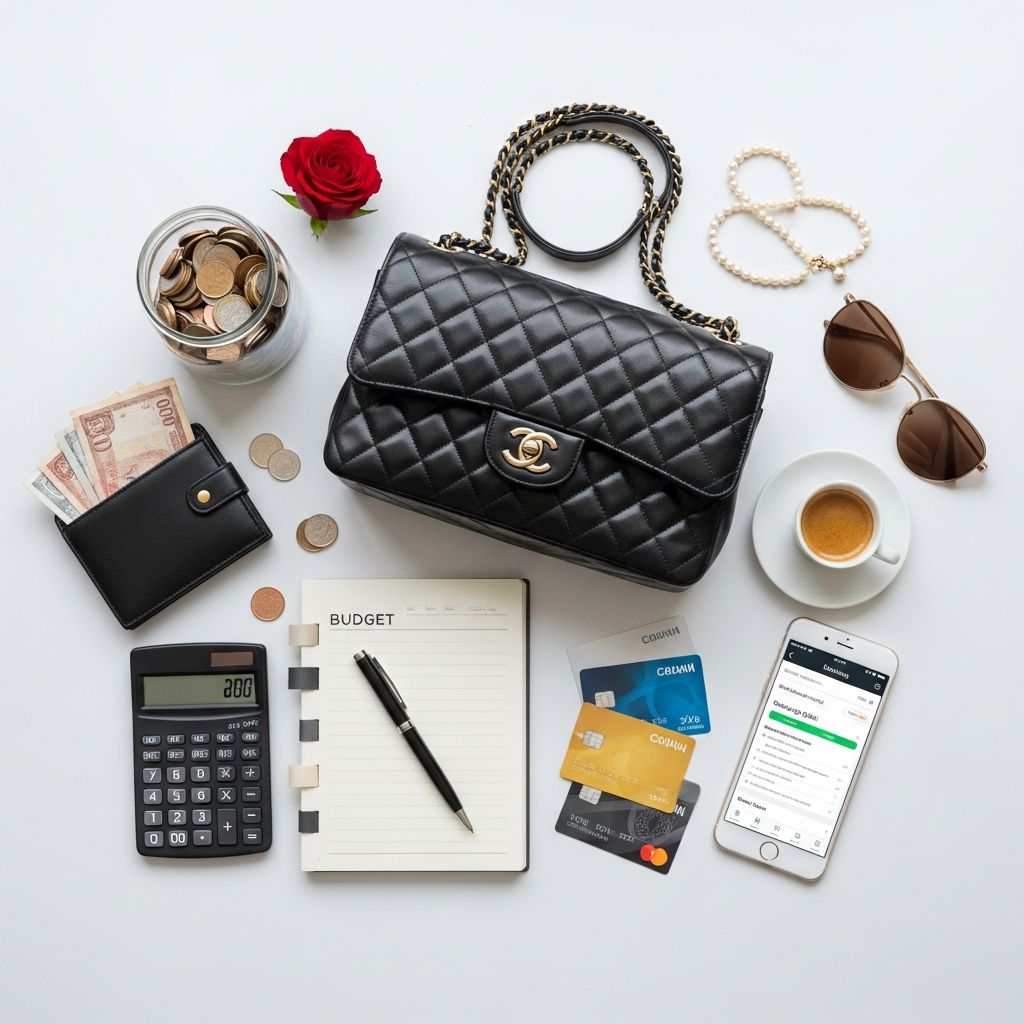
Owning a beautiful Chanel handbag is a dream for many. It is iconic, high quality, and often holds its value well over time. However, it is also a major purchase that requires thoughtful planning so you do not derail your financial future for the sake of a luxury item.
This guide walks you through how to decide whether a Chanel bag fits your life and your money, how to prioritize your financial goals first, and then how to create a realistic, guilt-free plan to save for your dream bag.
Is A Chanel Handbag Really Worth It For You?
Before you begin saving, it is essential to define what “worth it” means for you personally. A Chanel bag can be a wardrobe staple and a source of joy, but it is still a non-essential purchase.
Consider the following questions honestly:
- How often will you use it? If it will sit in your closet, the cost per wear will be extremely high.
- Does it align with your lifestyle? If you work in a very casual environment or rarely dress up, you might not get much use out of it.
- Can you fully enjoy it? If buying the bag leads to financial stress, you may not enjoy the purchase for long.
- Are you buying it for you or for others? Buying luxury solely to impress others can lead to overspending and regret.
Research shows that people often overestimate the long-term happiness they will gain from material purchases, especially when they are tied to status rather than personal meaning. That is why clarity on your motivation is so important.
Understand The True Cost Of A Chanel Handbag
Luxury handbags like Chanel have increased in price significantly over the last decade. Analyses of designer price changes show that some classic models have seen large, regular price hikes over time. This means two things: a bag is expensive today, and it is likely to be more expensive later.
When you assess the cost, factor in:
- Base retail price in your country’s currency.
- Sales tax or VAT depending on where you shop.
- Potential travel costs if you are planning to buy abroad to save via VAT refunds.
- Care and maintenance like cleaner, leather care, or repairs.
| Item | Amount |
|---|---|
| Sticker (retail) price | $9,000 |
| Sales tax (8%) | $720 |
| Estimated maintenance over first 3 years | $150 |
| Approximate total out-of-pocket cost | $9,870 |
This table is only an example, but it illustrates how the final amount you need to save is often higher than the price tag alone.
Put Your Core Financial Goals First
Before you focus on a luxury purchase, your essential financial foundations should be in place. Consumer finance experts and regulators consistently recommend building an emergency fund, paying high-interest debt, and contributing toward long-term goals before lifestyle splurges.
Make sure you have:
- Emergency savings of at least 3–6 months of necessary expenses in a liquid, easily accessible account.
- High-interest debt (such as credit cards) aggressively being paid down or already cleared.
- Retirement contributions started, especially if your employer offers a match.
- Regular savings habits in place for other medium-term goals like a home down payment, education, or business investment.
Think of your Chanel handbag as a luxury goal, not a core financial goal. You work on it after the basics are covered and in a way that does not slow them down too much.
Decide Your Timeline And Savings Target
Once your financial basics are in good shape, the next step is to define your exact savings target and timeline. This gives you a clear monthly amount to set aside.
Step 1: Choose Your Target Bag And Price
Identify the specific bag you want and note its current price from an official or reputable store. If you are considering pre-owned, research typical recent resale prices for that model in good condition.
Then:
- Add estimated tax or VAT.
- Add a cushion (for example 5–10%) to account for potential price increases or currency fluctuations.
Step 2: Pick A Realistic Timeframe
Your timeframe should be ambitious but achievable. For a several-thousand-dollar purchase, common timeframes might be 12, 18, or 24 months, depending on your income and other goals.
Step 3: Calculate Your Monthly Saving Need
Use a simple formula:
required monthly savings = total cost / number of months
For example:
- Total cost: $9,870
- Timeframe: 18 months
- Required monthly savings: $9,870 / 18 ≈ $548.33
If that monthly amount is too high, lengthen your timeframe or reduce the total cost by choosing a different model or pre-owned option.
Create A Dedicated “Chanel Handbag” Savings Plan
Once you know your target amount and monthly contribution, build a plan around a dedicated savings stream. Behavioral research finds that mentally and physically separating savings for different purposes can help people stay on track and avoid dipping into funds impulsively.
Open A Separate Savings Account
Consider opening a specific savings account titled something like “Chanel Handbag Fund”. Aim for an account that:
- Is separate from your emergency fund and bill-paying accounts.
- Has no or low fees.
- Offers a competitive interest rate to help your savings grow.
Automate Your Contributions
Set up automatic transfers for the amount you calculated each month (or each paycheck). Automation makes it easier to stick to your plan because you are not relying on willpower every month.
Use Windfalls Strategically
Whenever you receive unexpected money—such as tax refunds, work bonuses, cash gifts, or side-hustle income—consider directing a portion toward your handbag fund. You might choose a split such as:
- 50% to long-term wealth goals (retirement, investments).
- 25% to your handbag fund.
- 25% to other fun or short-term goals.
Trim Your Budget Without Feeling Deprived
Many people can find the money for a luxury purchase by re-directing existing spending rather than increasing income. The key is to cut expenses that matter the least to you and keep the ones that truly bring value.
Audit Your Current Spending
Go through your last 2–3 months of bank and card statements and highlight:
- Subscriptions you do not use or barely use.
- Meals out that were forgettable or purely convenience-based.
- Impulse online orders that did not add much joy.
- Duplicate or overlapping services.
Every unnecessary expense you cut is money you can add to your handbag savings. Even small amounts add up over time when saved consistently.
Practice High-Low Spending
Adopt a high-low philosophy in your wardrobe and lifestyle. This means:
- Spending more, intentionally, on a few key items you truly love (like your Chanel bag).
- Choosing lower-cost options for everyday or less important items (clothing basics, casual accessories, etc.).
By mixing high and low, you maintain a stylish wardrobe while freeing up cash to save for your luxury piece.
Implement Boundaries For Small Splurges
If you tend to impulse-buy makeup, clothing, or accessories, introduce rules such as:
- Waiting 24–48 hours before non-essential purchases.
- Limiting clothing or beauty purchases to a fixed amount per month.
- Keeping a wish list and revisiting it monthly to see what you still genuinely want.
Each time you say no to a small splurge, transfer that amount directly into your handbag fund. Over time, these intentional choices can build a significant portion of your goal.
Boost Your Income To Reach Your Goal Faster
In addition to trimming expenses, increasing your income can accelerate your savings. Many people fund luxury goals entirely with side-hustle earnings so that their main salary covers core financial needs.
Explore Side Hustles
Consider:
- Freelancing or consulting using your professional skills.
- Part-time jobs with flexible hours.
- Online services such as tutoring, virtual assistance, or content creation.
- Seasonal work during busy periods of the year.
Government and academic surveys consistently show that a notable share of adults engage in side work to improve their financial situation, highlighting how common and practical this strategy is.
Sell Items You No Longer Use
Look around your home for items that are in good condition but underused, such as:
- Clothing, shoes, and accessories.
- Electronics and gadgets.
- Furniture or decor in storage.
List them on reputable resale platforms or consignment shops. Dedicate every dollar you earn from selling these items to your Chanel fund. This approach also declutters your home and can help you appreciate your luxury purchase more.
Consider Pre-Owned And Alternative Options
Buying pre-owned can significantly reduce the price you pay for a Chanel bag, while still allowing you to enjoy the design. It can also be more sustainable, since it extends the life of an existing piece.
Benefits Of Buying Pre-Owned
- Lower price compared to new retail.
- Access to discontinued styles that are no longer available in boutiques.
- Potential for better cost-per-wear if you buy a classic style in good condition.
What To Check When Buying Pre-Owned
- Authenticate the bag through trusted experts or services.
- Ask for detailed photos of wear, corners, hardware, and interior.
- Review the seller’s reputation, return policy, and guarantees.
Alternative Ways To Enjoy Luxury
If buying a bag is not the right move for you now, you can still enjoy luxury by:
- Renting designer handbags for special occasions.
- Buying smaller leather goods or accessories that cost less but still feel special.
- Investing in high-quality non-designer pieces that offer similar craftsmanship at lower prices.
Be Honest About The “Investment” Question
Luxury brands sometimes highlight how their handbags can retain or even increase in value over time, especially for iconic models that see regular price increases. However, it is important to distinguish between a financial investment and a wardrobe investment.
Key points to remember:
- Resale value is not guaranteed. It depends on condition, style, market demand, and authenticity documentation.
- To preserve value, you may use the bag less. Keeping it in pristine condition can reduce enjoyment.
- Transaction costs such as consignment fees or platform commissions reduce any profit you might make.
Think of your Chanel handbag primarily as a luxury purchase you love, not as your main investment strategy. For building long-term wealth, diversified financial assets like retirement accounts and broad market index funds are typically more appropriate and better-regulated vehicles.
Enjoy Your Purchase Without Guilt
When you follow a plan, your handbag becomes a symbol of not only style but also discipline and intention. To enjoy it fully:
- Remind yourself that you funded it responsibly, after taking care of your core financial priorities.
- Use it regularly so that the cost per wear goes down and the joy per wear goes up.
- Store and care for it properly so it lasts for many years.
If your goals or priorities change before you reach your target, give yourself permission to reassign the saved money to whatever matters most at that time. Financial empowerment includes the freedom to change your mind.
Frequently Asked Questions (FAQs)
Q: How much should I have saved before I start a Chanel handbag fund?
A: Ideally, have an emergency fund (typically 3–6 months of expenses), be actively paying down high-interest debt, and contribute at least something to long-term goals like retirement before you focus on a luxury purchase.
Q: Is it a bad idea to use a credit card to buy a Chanel bag?
A: Using a credit card can be reasonable for protection or rewards, but only if you can pay the balance in full by the due date. Carrying a balance at high interest rates makes the bag dramatically more expensive over time and can undermine your financial stability.
Q: How long should it take to save for a Chanel handbag?
A: The ideal timeline depends on your income, expenses, and other goals. Many people choose a 12–24 month window so that the monthly savings amount is manageable and does not significantly disrupt other priorities. If you need to compromise your essential goals to hit your timeline, it is better to extend the timeframe.
Q: Is buying pre-owned Chanel safe?
A: It can be, if you buy from reputable resellers, insist on authenticity checks, and review photos and descriptions carefully. Look for clear return policies and strong seller histories to reduce your risk.
Q: What if I regret buying the bag?
A: If you bought a classic style in good condition, you may be able to resell it and recover a portion of your money, especially if the brand has raised prices since you purchased. However, there is no guarantee. If you think regret is likely, consider postponing the purchase or opting for a smaller luxury item first.
References
- Buying Your First Chanel Bag — The Stripe. 2019-01-10. https://thestripe.com/buying-your-first-chanel-bag/
- Leaf Van Boven & Thomas Gilovich, “To Do or to Have? That Is the Question” — Journal of Personality and Social Psychology. 2003-08-01. https://doi.org/10.1037/0022-3514.85.6.1193
- Prices of luxury handbags have outpaced inflation — Financial Times. 2021-11-21. https://www.ft.com/content/7a9a23bf-4a35-4ddf-9004-5b84b0a1b1a5
- Building Emergency Savings — Consumer Financial Protection Bureau (CFPB). 2022-04-20. https://www.consumerfinance.gov/consumer-tools/educator-tools/resources-for-older-adults/prepare-for-retirement/building-emergency-savings/
- Mental Accounting Matters — Richard H. Thaler, Journal of Behavioral Decision Making. 1999-09-01. https://doi.org/10.1002/(SICI)1099-0771(199909)12:3%3C183::AID-BDM318%3E3.0.CO;2-F
- Contingent Worker Supplement — U.S. Bureau of Labor Statistics. 2018-06-07. https://www.bls.gov/news.release/conemp.nr0.htm
Similar Articles








Read full bio of medha deb