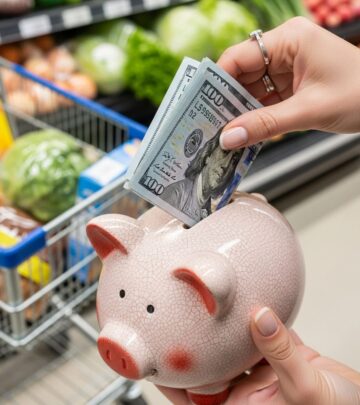
How To Save At Farmers Markets: 9 Smart Ways
Discover proven strategies to slash your grocery bill while enjoying fresh, local produce from farmers markets.
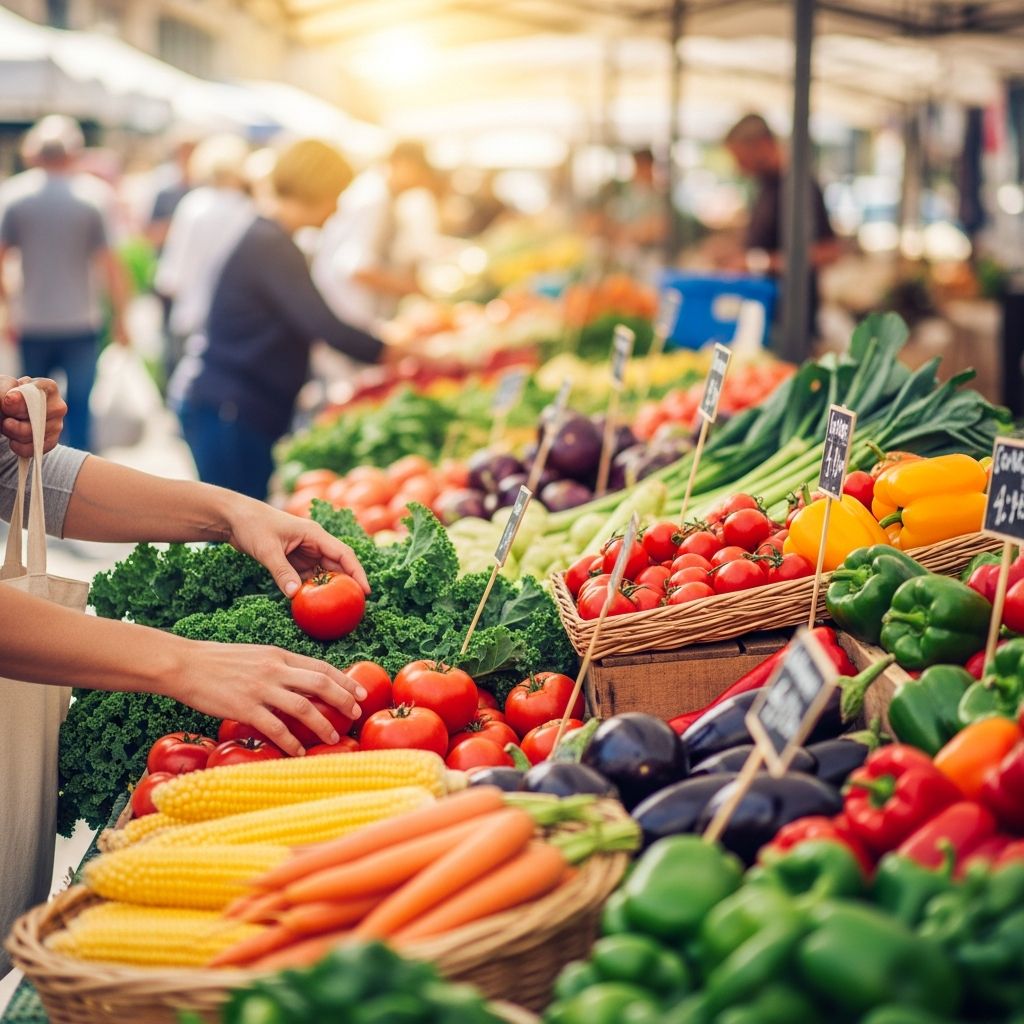
Farmers markets offer fresh, local produce that tastes superior to supermarket options, but they can seem pricey at first glance. With the right strategies, you can dramatically reduce your food bill while supporting local growers and enjoying peak-season flavors. This guide covers
9 proven ways
to save money at farmers markets, drawing from expert advice and real shopper experiences. Whether you’re a beginner or seasoned bargain hunter, these tips will help you shop smarter.1. Ditch Your List
Arriving with a rigid grocery list sets you up for disappointment and overspending. Farmers markets fluctuate weekly based on harvests, weather, and vendor availability. Instead, embrace flexibility: stroll the entire market first to see what’s abundant and priced low. This approach lets you snag deals on unexpected gems like overflowing bins of berries or root veggies.
Expert tip: ‘Having a shopping list can prevent you from considering produce that is on sale or has a lower price,’ notes nutrition expert Sharon Palmer. By going list-free, you’ll discover new items that fit your budget and inspire creative meals.
2. Shop What’s In Season
Seasonal produce is the cornerstone of farmers market savings. Items at their peak are plentiful, reducing prices as multiple vendors compete. Out-of-season fruits flown from afar cost more and lack flavor—stick to local bounty for the best value and nutrition.
For example, summer strawberries or fall apples are cheapest mid-season when supply floods the market. Use free apps like Locavore to check what’s ripe now and which markets stock it. ‘Agricultural products are more expensive early or late in the season,’ explains EatLocalGrown.com. Peak timing means bigger savings.
- Spring: Asparagus, greens, radishes
- Summer: Tomatoes, zucchini, berries
- Fall: Pumpkins, squash, apples
- Winter: Root veggies, citrus (in mild climates)
3. Choose Seconds
Not every veggie needs Instagram perfection. ‘Seconds’ are cosmetically imperfect produce—slightly bruised apples or misshapen carrots—that farmers won’t sell to restaurants but eat themselves. These taste identical to premiums but cost 30-50% less.
Ask vendors directly: ‘Do you have any seconds today?’ You’ll often score bins at deep discounts. This ‘ugly produce’ trend saves money and reduces food waste, as perfectly edible food gets repurposed into soups, sauces, or smoothies.
4. Buy in Bulk
Larger quantities mean lower per-pound prices, and vendors love clearing stock quickly. Bulk buys are perfect for families or those with freezer space. Meats, berries, or greens freeze beautifully—invest in a vacuum sealer and chest freezer from sites like Craigslist for long-term savings.
‘Buying more often means paying less per pound,’ reports The Penny Hoarder. Vendors may throw in extras for big orders, building loyalty for future deals. Split hauls with neighbors to share costs and variety.
5. Carry Cash, Especially Quarters
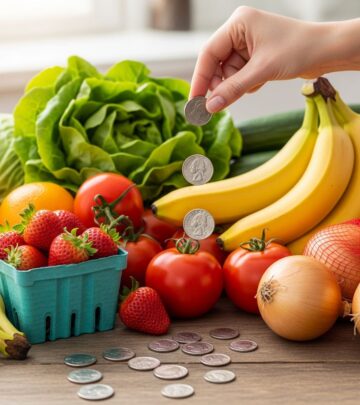
Cash reigns supreme at markets, avoiding card fees that inflate prices. Small bills and quarters are gold: farmers run short on change, so bringing rolls can unlock freebies like ‘a tomato or beans just for using your quarters’.
Near-exact payments often trigger discounts, keeping you on budget. Digital payments are rare—cash builds rapport and opens negotiation doors.
6. Compare Prices Before Buying
Prices vary stall-to-stall for the same item—one bunch of carrots might cost twice as much just steps away. Do a full market lap first, noting best deals. Over time, you’ll learn which vendors specialize (e.g., cheapest greens or fruits).
| Item | Stall A Price | Stall B Price | Best Buy |
|---|---|---|---|
| Carrots (1 lb) | $3 | $1.50 | Stall B |
| Tomatoes (1 lb) | $4 | $2.50 | Stall B |
| Apples (bag) | $5 | $6 | Stall A |
7. Go Regardless of the Weather
Rain, heat, or cold thins crowds, prompting discounts to avoid hauling unsold goods home. ‘You can usually get great deals when the weather is bad,’ says ValPak.com. Fewer shoppers mean time to chat with farmers, fostering relationships for ongoing perks.
Markets run rain or shine—dress appropriately and reap the rewards.
8. Shop Late
The final 30 minutes are prime for bargains. Vendors slash prices rather than transport leftovers. Selection slims, but deals abound: round down to the nearest dollar or snag free items with multiples.
Strategy: ‘I see you have food left—what can you give me for $20?’ This empowers farmers while ensuring quality picks. Be consistent and buy generously to build mutual benefits.
9. Consider Joining a CSA
Community Supported Agriculture (CSA) programs let you prepay for weekly produce boxes from local farms. It’s like a subscription for farm-fresh shares—often cheaper than markets with less waste.
Boxes brim with seasonal surprises, encouraging variety. Find CSAs via LocalHarvest.org. Combine with markets for the best of both worlds.
Bonus Tips for Maximum Savings
- Look for Bundle Deals: Mixed boxes clear inventory at steep discounts—great for experimenting.
- Avoid Pre-Packaged: Loose bins are cheaper; inspect for freshness.
- Haggle Politely: Offer fair prices on near-close items.
- Build Relationships: Regulars get first dibs on bulk or seconds.
Frequently Asked Questions (FAQs)
Q: Are farmers markets always cheaper than grocery stores?
A: Not always item-for-item, but seasonal peaks and strategies like bulk buying make them far more affordable overall, especially for fresh, local quality.
Q: What’s the best time to arrive for deals?
Q: Early for prime selection, late for discounts, or bad weather anytime for steals.
Q: Can I use cards or apps at markets?
A: Cash is best; some accept cards, but fees may apply. Apps like Locavore help plan.
Q: How do I store bulk buys?
A: Freeze, can, or ferment extras. Vacuum sealers preserve meats and veggies longest.
Q: Is CSA worth it for beginners?
A: Yes, for consistent savings and education on seasonal eating—start with a trial share.
References
- How to Shop at Farmers Markets and Cut Your Food Budget — The Penny Hoarder. 2023-06-15. https://www.thepennyhoarder.com/save-money/eat-local-and-save-shopping-at-farmers-markets/
- How Savvy Shoppers Cut Costs At Farmers Markets — The Penny Hoarder. 2024-02-10. https://www.thepennyhoarder.com/save-money/how-savvy-shoppers-cut-costs-at-farmers-markets/
- How to Save Money on Produce With These Simple Tips — The Penny Hoarder. 2024-05-20. https://www.thepennyhoarder.com/save-money/how-to-save-money-on-produce/
- How to Be Budget-Friendly at the Farmers Market — Sharon Palmer, RDN. 2023-08-01. https://sharonpalmer.com/how-to-be-budget-friendly-at-the-farmers-market-10-cheap-farmers-market-recipes/
Similar Articles








Read full bio of Sneha Tete