How To Save $10,000 In A Year In 6 Practical Steps
A clear, step-by-step savings roadmap to help you put away $10,000 in 12 months without feeling completely deprived.
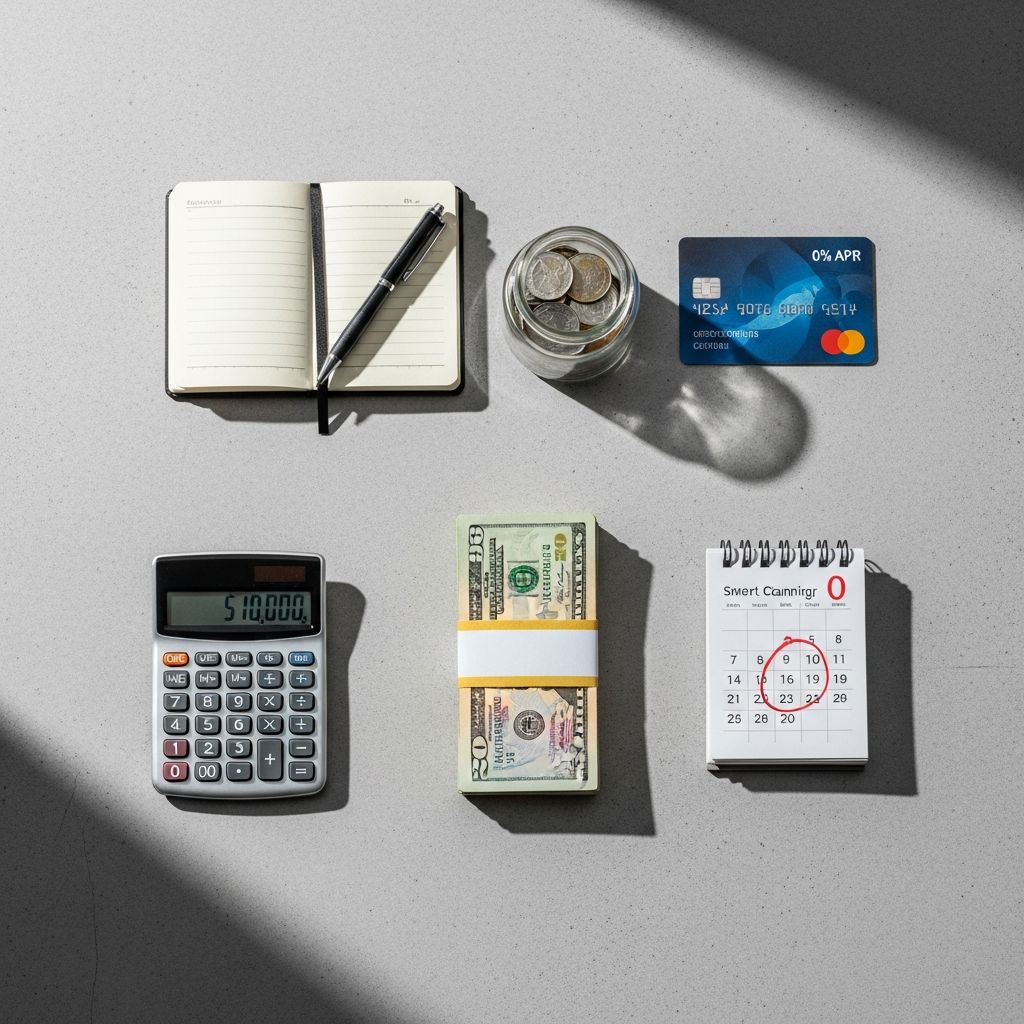
Saving $10,000 in a year can feel huge, but it is completely achievable with a clear plan, consistent action, and a realistic timeline. Instead of waiting for “someday,” you can map out exactly how much to save, where to find the money, and how to stay committed.
Whether you want a solid emergency fund, a down payment, or a big head start on financial independence, this guide walks you through six practical steps inspired by the Clever Girl Finance approach to saving money.
Why Saving $10,000 Matters
Before diving into the how, it helps to understand why $10,000 is such a powerful milestone.
- Stronger safety net: Many experts suggest keeping 3–6 months of essential expenses in an emergency fund to protect against job loss, medical bills, or urgent repairs.
- Less stress and more options: Having several thousand dollars in savings reduces money anxiety and gives you more flexibility when making career, family, or life decisions.
- A confidence boost: Saving your first big amount proves to you that your actions can change your financial future, which makes the next goal easier.
Now let’s break down the exact steps to save $10,000 in one year.
Step 1: Break Down Your $10,000 Savings Goal
Start by turning a big, intimidating dollar amount into manageable pieces. When you divide $10,000 across the year, you get a clear monthly, weekly, or even daily target to work toward.
How Much To Save: Monthly, Weekly, Daily
Here is what saving $10,000 looks like over different time frames:
| Timeframe | Monthly Target | Biweekly Target (every 2 weeks) | Weekly Target | Approx. Daily Target |
|---|---|---|---|---|
| 12 months | $834 | $417 | $193 | $28 |
| 18 months | $556 | $278 | $129 | $19 |
| 24 months | $417 | $209 | $97 | $14 |
If the 12-month target feels too tight, stretch your timeline to 18 or 24 months. A longer horizon can be the difference between quitting and following through.
Match Your Savings To Your Pay Schedule
Align your savings target with how often you get paid:
- If you are paid monthly, set up an automatic transfer for your monthly goal right after payday.
- If you are paid every two weeks, use the biweekly number as your transfer amount.
- If your income is irregular, choose a minimum weekly or monthly baseline and send extra to savings whenever you earn more than expected.
The key is to treat your savings amount like a non-negotiable bill instead of an afterthought.
Step 2: Get Clear On Your Current Numbers
Saving $10,000 starts with knowing where your money is going right now. You cannot decide what to cut or change until you have a clear picture of your income and expenses.
Audit Your Money
Spend an hour or two gathering the facts:
- Log in to all your financial accounts (banking, credit cards, loans, digital wallets).
- Write down your total monthly income (after tax).
- List your fixed expenses (rent, utilities, insurance, debt payments).
- Estimate your variable expenses (groceries, gas, eating out, shopping, subscriptions).
- Note your current savings and any investments.
Think of this as your financial baseline, not a judgment. Once you know your baseline, it is much easier to see where your $10,000 in savings can come from.
Create A Simple Savings-Focused Budget
Next, build a budget that makes space for your $10,000 goal. A common structure is the 50/30/20 approach: 50% needs, 30% wants, 20% savings and debt payoff. You may temporarily adjust this so more goes to savings while you are in “intense focus” mode.
When designing your budget:
- Separate needs (housing, food, minimum debt payments) from wants (takeout, streaming, impulse shopping).
- Set your savings amount first, then fit everything else around it.
- Track your spending weekly so you can course-correct quickly if you overspend in one category.
Step 3: Cut Expenses Intentionally
There is a limit to how much you can cut, but most people can find at least a few hundred dollars a month by trimming in the right places. Even small changes add up to thousands over a year.
Find & Fix “Money Leaks”
Look for recurring expenses that do not truly add value to your life:
- Cancel or downgrade unused subscriptions (apps, streaming, boxes).
- Negotiate lower rates on your phone, internet, or insurance by asking for current promotions or switching providers.
- Review your bank and credit card fees and move to lower-fee accounts if necessary.
- Set a cap for categories that tend to creep (e.g., set a firm monthly limit for coffee or rideshares).
Reduce Food & Lifestyle Spending
Food and everyday lifestyle choices are often the easiest levers to pull without drastically changing your life.
- Plan your meals and shop with a list to cut down on impulse buys at the grocery store.
- Batch-cook or prep simple meals so you are less tempted to order takeout on busy nights.
- Bring coffee, snacks, and lunch from home several days a week.
- Explore low-cost or free entertainment like library events, picnics, hiking, or community activities.
Even saving $10–$15 a day on food and extras can fully fund your daily savings target from the table above.
Try A No-Spend Or Low-Spend Challenge
A focused challenge can accelerate your progress and reset your habits:
- Pick a timeframe (7, 14, or 30 days).
- Define your rules (e.g., essentials only: rent, utilities, groceries, gas).
- Plan ahead so you are not forced into last-minute spending (meal prep, borrow instead of buy, use what you already own).
- At the end, transfer every dollar you did not spend into your savings account.
Many people are surprised by how much they can save in just one focused month.
Step 4: Earn More To Reach $10,000 Faster
You can only cut so much from your budget, but your earning potential has no hard ceiling. Increasing your income—even temporarily—can make saving $10,000 much easier.
Boost Income At Your Main Job
- Ask for a raise based on your contributions, backed by results or data (projects completed, revenue generated, tasks you have taken on).
- Volunteer for overtime or extra shifts if your job allows it.
- Seek internal promotions or higher-paying roles that match your skills.
Preparing a short list of your accomplishments and market salary data before negotiating can increase your chances of success.
Start A Side Hustle
Side income does not have to be permanent, but even a short burst of extra earnings can move you quickly toward your $10,000 goal.
- Offer services you are already skilled at, such as tutoring, freelance writing, graphic design, or virtual assistance.
- Monetize hobbies like photography, crafting, or baking.
- Take on flexible work like ride-hailing, grocery delivery, or pet sitting.
- Sell unused items in your home, from clothing and electronics to furniture.
Every extra $100–$300 per month from side work can close the gap if your regular budget is tight.
Automate All Extra Cash To Savings
To avoid lifestyle creep, decide in advance that all extra income—bonuses, tax refunds, gifts, overtime, side hustle money—will go straight to your $10,000 savings goal. Automate transfers when possible so you are not tempted to spend it.
Step 5: Automate, Protect, And Grow Your Savings
Once you begin setting aside money, you need the right systems and accounts to protect it and help it grow a little over time.
Use A Dedicated High-Yield Savings Account
Instead of keeping your $10,000 in your everyday checking account, consider a separate high-yield savings account. These accounts typically pay higher interest than regular savings accounts and are often insured by the FDIC or NCUA up to legal limits.
Benefits of a separate savings account include:
- Visual separation from your spending money, which reduces the urge to dip into it.
- Automatic interest growth, even if modest.
- Easy access in a real emergency, without being so accessible that you casually spend it.
Automate Your Transfers
Set up automatic transfers from your main account to your savings account:
- Time transfers to match payday so the money is saved before you see it.
- Use your monthly or biweekly target from Step 1 as your default transfer.
- When your income changes, adjust your automatic amount rather than stopping it altogether.
Automation makes saving feel almost effortless because you are not constantly relying on willpower.
Protect Your Savings From Yourself
To keep your $10,000 from slowly leaking back into your everyday spending:
- Turn off debit card access on your savings account, if your bank allows it.
- Remove your savings account from payment apps and online checkouts.
- Create a simple rule for yourself: only withdraw for true emergencies or big pre-planned goals.
Step 6: Stay Motivated And Track Your Progress
The mechanics of saving are simple; staying consistent is the real challenge. Keeping your motivation high makes it easier to say “no” to short-term temptations.
Define Your “Why”
Get specific about the purpose of your $10,000 so it feels meaningful:
- Emergency fund so you never have to rely on high-interest debt again.
- Starter fund for a home down payment.
- Cushion to change careers, start a business, or go back to school.
- Peace of mind and more freedom in your day-to-day life.
Write your “why” somewhere you will see it daily—on your phone lock screen, in your planner, or on a sticky note near your desk.
Track Your Wins Visually
Use simple visual tools to stay excited about your progress:
- Color in a savings tracker with 100 boxes, each worth $100, as you save.
- Set small milestones (e.g., first $1,000, $2,500, $5,000) and celebrate each one with a low-cost reward.
- Review your balances weekly so you can see how your efforts are paying off.
Build Support And Accountability
You do not have to do this alone. Accountability can significantly improve your chances of sticking with money goals.
- Share your $10,000 goal with a trusted friend or partner.
- Join a free money community, forum, or challenge where others are working on similar goals.
- Schedule a monthly “money date” with yourself to review your budget, adjust as needed, and reset your focus.
Sample 12-Month $10,000 Savings Plan
Here is a simple example of how a person could reach $10,000 in one year by combining cuts and extra income.
| Strategy | Monthly Amount | 12-Month Total |
|---|---|---|
| Cut dining out & takeout | $150 | $1,800 |
| Cancel subscriptions & negotiate bills | $100 | $1,200 |
| Side hustle (5–8 hrs/week) | $300 | $3,600 |
| Overtime or extra shifts | $200 | $2,400 |
| Tax refund & one-time income | ~$100 (averaged) | $1,000 |
| Total Saved | $850 / month (avg) | $10,000 |
Your exact mix will look different, but this shows how combining several strategies can get you to your target.
Frequently Asked Questions (FAQs)
Q: What if I cannot save $834 every month?
A: You have options. Extend your timeline to 18 or 24 months, increase your income through side work, or aim for a smaller initial goal—like $3,000 or $5,000—and build from there. Progress is more important than perfection.
Q: Should I pay off debt or save $10,000 first?
A: Many experts suggest building at least a small emergency fund (for example, $500–$1,000) before aggressively paying off high-interest debt, so you do not need to rely on credit when emergencies come up. After that, you can split extra money between debt payoff and your larger savings goal based on interest rates and your comfort level.
Q: Where is the best place to keep my $10,000?
A: For short-term goals or emergency funds, a separate high-yield savings account is often recommended because it keeps your money safe, earns some interest, and remains accessible when you truly need it. Investments like stocks are usually better for longer-term goals because their value can fluctuate in the short term.
Q: How do I stay on track when I feel discouraged?
A: Focus on small, consistent actions—like saving $10–$20 at a time, planning your meals, or saying no to one purchase each day. Celebrate every milestone, remind yourself why you started, and lean on accountability partners or communities when your motivation dips.
Q: Can I still enjoy my life while saving $10,000?
A: Yes. The goal is not to eliminate all fun, but to spend more intentionally. Include low-cost or free activities in your routine, keep one or two affordable splurges in your budget, and remember that this intense saving phase is temporary and tied to a clear, meaningful goal.
References
- Emergency Savings — Consumer Financial Protection Bureau. 2024-02-15. https://www.consumerfinance.gov/consumer-tools/emergency-savings/
- Building an Emergency Fund — Federal Deposit Insurance Corporation (FDIC). 2023-08-10. https://www.fdic.gov/resources/consumers/money-smart/adding-it-up/lesson-5.html
- Budgeting — MyMoney.gov, U.S. Department of the Treasury. 2023-06-01. https://www.mymoney.gov/category/budgeting
- 50/30/20 Rule: A Simple Budget Framework — Consumer Financial Protection Bureau. 2024-01-05. https://www.consumerfinance.gov/about-us/blog/50-20-30-rule/
- Cutting Expenses — USA.gov, Manage Debt and Bills. 2024-03-20. https://www.usa.gov/debt
- Recreation on a Budget — Extension Foundation / Cooperative Extension. 2023-09-12. https://extension.org/family-and-consumer-sciences/personal-finance/
- Negotiating Your Salary — U.S. Bureau of Labor Statistics, Career Outlook. 2023-07-01. https://www.bls.gov/careeroutlook/2017/article/negotiating-your-salary.htm
- Savings Accounts — Board of Governors of the Federal Reserve System. 2023-11-09. https://www.federalreserve.gov/consumerscommunities/overview.htm
- The Role of Social Support in Financial Behavior Change — Journal of Consumer Affairs. 2021-10-01. https://doi.org/10.1111/joca.12396
Similar Articles








Read full bio of Sneha Tete