How To Run Your First 5K: Step-By-Step 8-Week Plan
Complete beginner's guide to training safely, choosing gear, and crossing the finish line of your first 5K race with confidence.

Running your first 5K is an achievable and rewarding goal for beginners, marking the start of a lifelong fitness journey. A 5K race covers 3.1 miles and offers numerous health benefits, including improved cardiovascular health from as little as 5-10 minutes of daily running. This guide provides a step-by-step approach to prepare safely, covering gear selection, training, nutrition, injury prevention, and race day execution.
Why Run a 5K?
A 5K is the perfect entry point for novice runners because it’s short enough to complete without extensive prior experience yet challenging enough to build confidence and endurance. Unlike longer races like marathons, a 5K allows you to focus on enjoyment rather than endurance extremes. Research shows that even brief running sessions—around 5-10 minutes at a moderate pace—can extend life expectancy by years, making it an efficient way to boost fitness. Completing one fosters positive associations with running, encouraging consistency. Many 5K events are fun, community-oriented affairs with themes, music, and post-race celebrations, turning exercise into a social highlight.
Invest in Good Running Shoes
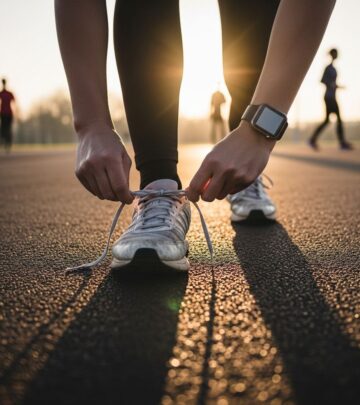
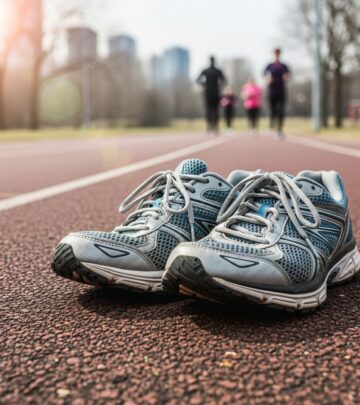
Your running shoes are the most critical purchase for injury prevention and comfort. Poorly fitted shoes can lead to blisters, shin splints, or stress fractures. Visit a specialty running store for a gait analysis, where experts observe your stride to recommend shoes matching your foot type—neutral, stability, or motion control. Consider your running surface: road shoes for pavement, trail shoes for off-road events. Replace shoes every 300-500 miles to maintain cushioning. Budget $100-150 for quality beginner models from reputable brands. Proper socks, moisture-wicking and seamless, complement this investment to avoid hotspots.
Choose the Right Running Clothes
Opt for synthetic, moisture-wicking fabrics over cotton, which retains sweat and causes chafing. Key pieces include a supportive sports bra for women, breathable shorts or tights, and a lightweight shirt. Layer for weather: base layer, insulating mid-layer, and wind-resistant outer layer. Reflective gear or lights are essential for early morning or evening runs. Splurge on high-quality tights or shorts for durability, but basic tees suffice initially. Test outfits on long runs to ensure no rubbing. Accessories like hats, gloves, and sunglasses protect against elements.
Follow a Training Schedule
A structured 8-week plan builds from short distances to race-ready fitness, incorporating rest to prevent burnout. Train 3-4 days weekly, mixing run-walk intervals for beginners. This couch-to-5K approach gradually increases running time while reducing walking, improving endurance safely. Track progress with apps like Couch to 5K, which offers guided audio sessions for 30 minutes, three times a week over 9 weeks.
Here’s an adapted 8-week beginner training plan based on proven programs:
- Week 1 (Total: 2 miles): Mon/Tue: 0.5 miles; Wed/Thu: 0.5 miles; Fri: Rest; Sat: 1 mile; Sun: Fun recovery (e.g., walk or stretch).
- Week 2 (Total: 3.75 miles): Mon/Tue: 1.25 miles; Wed/Thu: 1 mile; Fri: Rest; Sat: 1.5 miles; Sun: Recovery.
- Week 3 (Total: 5.25 miles): Mon/Tue: 1.75 miles; Wed/Thu: 1.5 miles; Fri: Rest; Sat: 2 miles; Sun: Recovery.
- Week 4 (Total: 6.5 miles): Mon/Tue: 2.25 miles; Wed/Thu: 2 miles; Fri: Rest; Sat: 2.25 miles; Sun: Recovery.
- Week 5 (Total: 6.75 miles): Mon/Tue: 2.25 miles; Wed/Thu: 2 miles; Fri: Rest; Sat: 2.5 miles; Sun: Recovery.
- Week 6 (Total: 7.25 miles): Mon/Tue: 2.5 miles; Wed/Thu: 2.25 miles; Fri: Rest; Sat: 2.75 miles; Sun: Recovery.
- Week 7 (Total: 8.25 miles): Mon/Tue: 2.75 miles; Wed/Thu: 2.5 miles; Fri: Rest; Sat: 3 miles; Sun: Recovery.
- Week 8 (Race Week): Taper with light runs; Rest 1-2 days before race day.
Warm up with 5-10 minutes of walking and dynamic stretches; cool down similarly. Cross-train with cycling or swimming on rest days for variety.
Track Your Progress
Monitoring improvements keeps motivation high. Use a journal or app to log distance, time, pace, and how you feel. Measure resting heart rate weekly—decreases indicate better fitness. Note body measurements like waist or thighs for non-scale victories. Weekly photos or ‘before’ videos document changes. Set mini-goals, like running without stopping for 1 mile. Apps integrate GPS for accurate tracking and share achievements with friends.
Eat Right for Energy
Fuel with balanced meals: complex carbs (oats, sweet potatoes), lean proteins (chicken, eggs), and healthy fats (avocados, nuts). Pre-run: light snack like banana with peanut butter 1-2 hours before. Post-run: protein-carb combo within 30 minutes, e.g., yogurt with fruit. Hydrate steadily—aim for half your body weight in ounces daily, more if training in heat. Avoid heavy meals race morning; stick to familiar foods. Whole foods outperform sugary gels for short races like 5K.
Prevent Injuries
Injuries sideline beginners, so prioritize prevention. Follow the 10% rule: increase weekly mileage by no more than 10%. Include strength training 2x weekly: squats, lunges, planks, calf raises for core and leg stability. Foam roll and stretch post-run to aid recovery. Listen to your body—pain (not soreness) means stop and rest or consult a doctor. Proper form: land mid-foot, upright posture, relaxed shoulders. Ice sore areas and elevate.
Race Day Tips
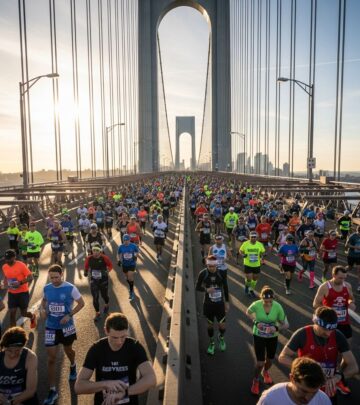
Prepare logistics: study the course map for hills and aid stations. Arrive early, warm up with a jog and strides. Line up behind pace groups matching your goal (aim to finish, not PR). Pace evenly—start conservative to avoid early burnout. Use run-walk if needed. Post-race: walk, hydrate, refuel, and celebrate. Wear race bib pinned securely; carry ID and phone.
Frequently Asked Questions (FAQs)
Q: How long does it take to train for a 5K?
A: 6-9 weeks with 3 sessions per week is ideal for beginners, building gradually to avoid injury.
Q: Do I need special running shoes?
A: Yes, fitted running shoes prevent injuries; get a professional gait analysis.
Q: What should I eat before the race?
A: Familiar carbs like toast or banana 1-2 hours prior; hydrate but don’t overdo.
Q: Can walk-run intervals work?
A: Absolutely—many programs use them to build endurance and reduce fatigue.
Q: How do I stay motivated?
A: Track progress, run with a buddy or playlist, and reward non-food achievements.
Conclusion: Your First Finish Line Awaits
With dedication, your first 5K becomes a milestone of resilience. Consistency trumps intensity—stick to the plan, celebrate progress, and enjoy the runner’s high. Join a local race to experience the camaraderie. You’ve got this!
References
- 5K Training Plan for Beginner Runners — Foodsmart. 2023. https://foodsmart.com/blog/5k-training-plan-beginner-runners
- Couch to 5K Training Plans — New Balance. 2024. https://www.newbalance.co.uk/running-advice/training/beginners-guides/5K-training-plan/
- Learn Something New With These 9 Cheap Apps — Wise Bread. 2015-01-12. https://www.wisebread.com/learn-something-new-with-these-9-cheap-apps
Similar Articles








Read full bio of medha deb