How to Run a Credit Check on a Prospective Tenant
Complete guide to running tenant credit checks: Steps, legal requirements, and best practices.

Running a credit check on a prospective tenant is one of the most important steps in the rental application process. A tenant’s credit history provides valuable insight into their financial responsibility and reliability as a renter. By examining their credit report, you can assess whether they’re likely to pay rent on time, understand their debt obligations, and identify any potential red flags that might indicate payment difficulties. This comprehensive guide walks you through the entire process of running a credit check, from obtaining consent to interpreting the results.
Why Run a Credit Check on Tenants?
As a landlord or property manager, running credit checks on prospective tenants serves several critical purposes. First, it helps you verify that applicants can afford to pay rent consistently. A tenant’s credit history reveals their payment patterns, outstanding debts, and financial obligations, allowing you to determine whether their income is sufficient to cover rent without financial strain.
Second, credit checks protect your investment property. Tenants with poor credit histories may be more likely to fall behind on rent, resulting in costly eviction processes and lost income. By screening applicants upfront, you can avoid problematic tenants and reduce vacancy periods caused by non-payment issues.
Third, credit checks provide legal protection. Should you need to pursue eviction proceedings, you’ll have documented evidence that you conducted due diligence in selecting your tenant. This demonstrates that you followed proper screening procedures and made an informed decision based on available information.
What Information Does a Tenant Credit Check Reveal?
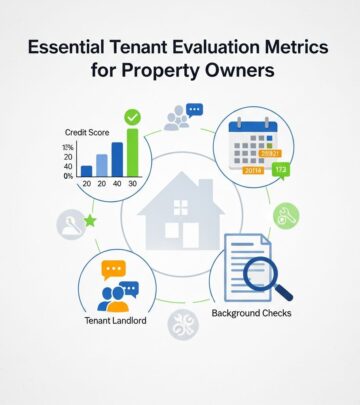
A comprehensive tenant credit check provides several key pieces of information about a prospective renter’s financial history and reliability:
- Credit Score: A numerical representation of the applicant’s creditworthiness based on their credit history.
- Payment History: A detailed record of how the applicant has paid their bills, loans, and credit cards over time.
- Outstanding Debts: Current outstanding balances on credit cards, personal loans, auto loans, and other credit accounts.
- Collections Accounts: Any accounts that have been sent to collection agencies due to non-payment.
- Public Records: County Court Judgements (CCJs), bankruptcies, and other legal financial matters.
- Address History: A record of the applicant’s previous residences, which helps verify their identity and identify inconsistencies.
- Linked Addresses: Other properties or individuals associated with the applicant’s addresses.
Understanding Soft Searches vs. Hard Searches
When running tenant credit checks, it’s important to understand the difference between soft and hard searches. Most tenant screening services use soft searches, which provide valuable financial insights without negatively impacting the applicant’s credit score. Soft searches are designed specifically for tenant verification purposes and don’t count against the applicant’s credit rating.
Hard searches, by contrast, are typically used when someone applies for credit and do reduce a person’s credit score. As a landlord, you should always request soft searches through reputable tenant referencing agencies to ensure you’re not inadvertently damaging the credit profile of legitimate applicants.
Legal Requirements and Obtaining Consent
Before running any credit check on a prospective tenant, you must obtain their explicit written consent. This is a legal requirement under the General Data Protection Regulation (GDPR) and credit reporting laws. Running a credit check without permission is unlawful and could expose you to significant legal liability.
In practice, most tenant referencing services and letting agents build consent requirements into their application process. Applicants typically sign a consent form or complete a tick-box declaration confirming they understand what information will be accessed and why. Make sure this consent is documented and retained for your records, as it protects both you and the tenant.
Step-by-Step Process: How to Run a Credit Check
Step 1: Gather Required Information
Before initiating a credit check, collect the necessary information from the prospective tenant. You’ll need their full legal name, date of birth, current address, and previous residential addresses. Credit reference agencies typically require at least two to three previous addresses to ensure accuracy and identify any inconsistencies in the applicant’s history. Additionally, request government-issued identification such as a passport or driving licence to verify their identity and confirm they are who they claim to be.
Step 2: Obtain Written Consent
Provide the tenant with a consent form explaining that you intend to run a credit check. Ensure they understand what information will be accessed, how it will be used, and how long it will be retained. Keep a copy of the signed consent form with your records. This documentation is essential if any disputes arise regarding the screening process.
Step 3: Choose a Credit Reference Agency
In the United States, the three major credit bureaus are Equifax, Experian, and TransUnion. Each maintains credit files and provides reports to authorized users such as landlords and property managers. In the United Kingdom, the same three agencies operate and provide tenant credit reports. Research which agencies offer tenant-specific services and consider using a professional tenant referencing service that has established relationships with these agencies.
Many landlords opt to use specialized tenant screening services rather than contacting credit agencies directly. These services streamline the process, handle consent requirements, and provide comprehensive reports that include not just credit information but also background checks, employment verification, and income assessment.
Step 4: Submit the Application
Submit the tenant’s information to your chosen credit reference agency or tenant screening service. Most services offer online portals where you can enter applicant details or send them a link to complete the application themselves. Processing times vary depending on the service provider and data availability, but many modern services can deliver results within 24 hours or even minutes.
Step 5: Receive and Review the Credit Report
Once the credit report is generated, carefully review all the information provided. Look for the following key indicators:
- Credit Score: Understand the scoring range used by the agency and where your applicant falls.
- Payment History: Identify late payments, missed payments, or consistent on-time payment records.
- Outstanding Debts: Calculate the total debt-to-income ratio to assess whether the applicant can afford rent.
- Collections and Judgements: Note any accounts in collections or court judgements, which indicate serious financial difficulties.
- Address Inconsistencies: Verify that the address history matches what the applicant provided.
Step 6: Compare Multiple Applicants
If you have multiple applicants for the same property, use the credit reports to compare their financial profiles. Create a ranking system that considers credit scores, debt levels, payment history, and other relevant factors. This systematic approach helps you make objective decisions and provides defensible documentation if your selection is ever questioned.
Step 7: Make Your Decision
Based on the credit report and other screening information, determine whether to approve, deny, or request additional information from the applicant. Document your decision and the reasons behind it. If you deny the application, provide the applicant with the required disclosures and information about how they can dispute inaccuracies on their credit report.
What to Look For in a Credit Report
Payment History
Review the applicant’s track record of paying credit cards, loans, and utility bills. Consistent on-time payments indicate financial responsibility, while frequent late payments or missed payments suggest the applicant may struggle to pay rent reliably. A few late payments years ago are less concerning than recent payment problems, as they may indicate temporary hardship that has since been resolved.
Outstanding Debts
Calculate the total amount of outstanding debt and compare it to the applicant’s income. If debt levels are very high relative to income, the applicant may prioritize debt payments over rent, increasing the risk of rental arrears. A general guideline is that housing costs should not exceed 30 percent of gross income, and total debt obligations should not exceed 43 percent of income.
Collections and Public Records
Any accounts sent to collection agencies or public records such as court judgements, bankruptcies, or tax liens indicate serious financial problems. While older collections may be less concerning than recent ones, they still represent a risk factor that should be considered carefully.
Account Age and Credit Mix
Longer credit history generally indicates more stability, though applicants new to credit should not be automatically disqualified. A mix of credit types (credit cards, loans, mortgages) suggests the applicant can manage different forms of credit responsibly.
Establishing Credit Check Standards
Develop clear, objective criteria for evaluating credit checks before you begin the screening process. This helps ensure consistency and protects you from potential discrimination claims. Your standards might include:
- Minimum credit score requirements
- Maximum debt-to-income ratio thresholds
- Time period for considering past delinquencies
- Guidelines for evaluating collections or judgements
- Standards for recent employment gaps or address changes
Apply these criteria consistently to all applicants to maintain fairness and document your decision-making process thoroughly.
Cost Considerations and Legal Restrictions
The cost of running a credit check varies depending on the service provider and the type of report requested. Some services charge per report, while others offer monthly or annual subscriptions. In many jurisdictions, landlords are prohibited from passing the cost of credit checks to tenants. Before charging applicants a fee, verify your local regulations to ensure compliance.
Even in areas where tenant fees are permitted, many landlords choose to cover these costs as a business expense. This approach may attract more applicants and demonstrates that you’re a professional, legitimate landlord.
Beyond Credit Checks: Comprehensive Tenant Screening
While credit checks are essential, they should be part of a comprehensive screening process. Consider supplementing credit reports with:
- Background Checks: Verify criminal history and identify any potential safety concerns.
- Employment Verification: Confirm current employment and income claims.
- Eviction History: Determine whether the applicant has been evicted previously.
- Rental References: Contact previous landlords to verify payment history and tenant behavior.
- Income Verification: Request recent pay stubs, tax returns, or bank statements to confirm financial stability.
Red Flags and How to Handle Them
Certain findings in a credit report should raise concerns and warrant further investigation. Multiple recent late payments suggest current financial difficulties. High outstanding debt relative to income indicates the applicant may struggle to afford rent. Recent collections or judgements represent serious credit problems. Unexplained gaps in employment history or frequent address changes may indicate instability.
When you identify red flags, don’t automatically reject the applicant. Instead, consider requesting additional documentation or an explanation for the concerning items. Some applicants may have legitimate reasons for credit problems, such as medical emergencies or temporary job loss. Use your judgment and all available information to make a fair assessment.
Compliance and Fair Housing Considerations
When using credit checks for tenant screening, ensure your process complies with fair housing laws. You cannot use credit information to discriminate based on protected characteristics such as race, color, national origin, religion, sex, familial status, or disability. Apply your credit criteria consistently to all applicants regardless of these protected characteristics.
If an applicant disputes information in their credit report, provide them with the necessary disclosures and information about how they can obtain a free copy of their report to review for accuracy. Some credit reporting errors can be corrected through dispute processes with the credit bureaus.
Frequently Asked Questions
Q: Can I run a credit check without the tenant’s permission?
A: No. You must obtain the tenant’s explicit written consent before running a credit check. This is required by GDPR and credit reporting laws. Running a check without permission is unlawful and could expose you to legal liability.
Q: Does a soft search affect the tenant’s credit score?
A: No. Soft searches used for tenant screening do not affect the applicant’s credit score. Only hard inquiries, which occur when someone applies for credit, impact credit scores.
Q: How long does it take to get a credit report?
A: Processing times vary by service provider. Some services deliver results within minutes, while others may take several hours or days depending on data availability and the level of verification required.
Q: Can I reject a tenant based solely on their credit score?
A: You can use credit information as part of your screening criteria, but avoid making decisions based on credit score alone. Consider the entire credit report, employment history, and other factors. Apply your criteria consistently to all applicants.
Q: Who should pay for the credit check?
A: In many jurisdictions, landlords are prohibited from charging tenants for credit checks. Even where allowed, many landlords choose to cover this cost as a business expense. Check your local regulations before charging applicants.
Q: What if the tenant has no credit history?
A: Applicants with no credit history cannot be denied solely for that reason. Request alternative documentation such as bank statements, references from previous landlords, or proof of consistent bill payments through utility companies.
Q: How far back should I consider credit problems?
A: Recent problems are more concerning than older issues. Generally, consider the past 3-5 years, but be willing to review individual circumstances. A single late payment five years ago is less concerning than multiple recent delinquencies.
References
- How to do a Credit Check on a Tenant: Agent Guide — Goodlord. 2025. https://blog.goodlord.co/how-to-do-a-credit-check-on-a-tenant
- Tenant Credit Checks, a Complete Guide for Landlords — Capitalise. 2025. https://capitalise.com/gb/insights/business-credit-scores/tenant-credit-check
- How to Perform & Understand Tenant Credit Checks — Minut. 2025. https://www.minut.com/blog/tenant-credit-check
- Credit Checks for Renting — Equifax UK. 2025. https://www.equifax.co.uk/resources/loans-and-credit/credit-checks-for-renting.html
- Tenant Screening Services: Tenant Credit Check — Experian. 2025. https://www.experian.com/rental-property-solutions/tenant-screening
- Free Online Tenant Screening — Zillow Rental Manager. 2025. https://www.zillow.com/rental-manager/tenant-screening/
Similar Articles








Read full bio of medha deb