How To Rollover A 401(k): 6-Step Direct Rollover Guide
Comprehensive guide to seamlessly transferring your 401(k) funds without tax penalties or disruptions to retirement savings.
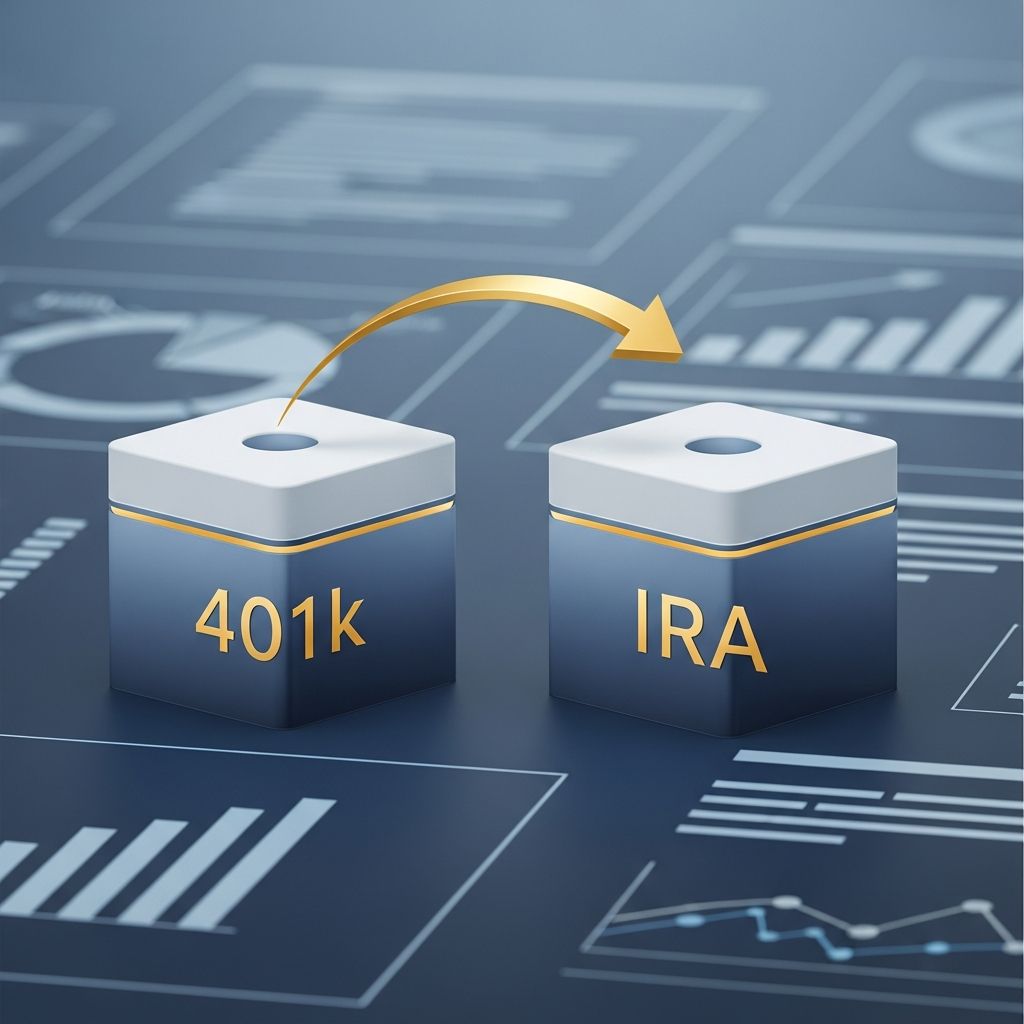
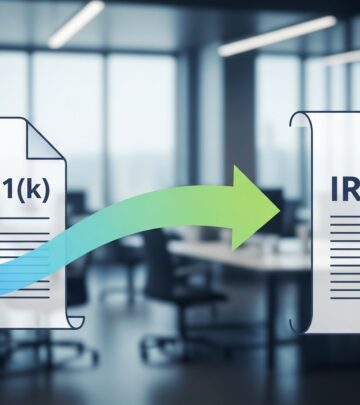
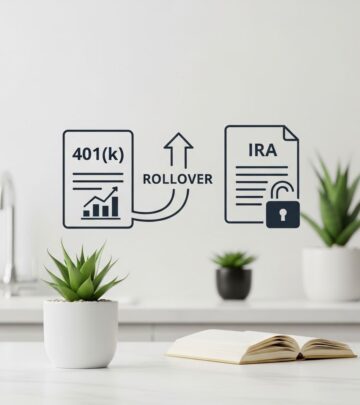
A 401(k) rollover allows you to transfer funds from an old employer-sponsored retirement plan to a new 401(k), IRA, or other eligible account while preserving tax-deferred growth. This process is essential when changing jobs to avoid taxes, penalties, and lost investment opportunities.
What is a 401(k) Rollover?
A 401(k) rollover moves retirement savings from one qualified plan to another without triggering immediate taxes or penalties if done correctly. It maintains the tax-advantaged status of your contributions and earnings, enabling continued compound growth. Common triggers include job changes, retirement, or plan termination. According to IRS rules, rollovers are permitted for eligible distributions from 401(k)s, 403(b)s, or similar plans to IRAs or new employer plans.
Key benefits include consolidated accounts for easier management, access to broader investment options in IRAs, and potential fee reductions. However, mishandling can result in 20% mandatory withholding and 10% early withdrawal penalties for those under 59½.
Why Rollover Your 401(k)?
Leaving funds in a former employer’s plan risks limited investment choices, higher fees, or forced cash-outs for small balances under $7,000. Rolling over consolidates savings, unlocks low-cost index funds via IRAs, and avoids required minimum distributions (RMDs) starting at age 73 (or 75 for those born 1960 or later) if kept in old plans.
- Job Changes: Prevents fragmentation across multiple employer plans.
- Retirement: Simplifies portfolio management and access to IRA features like Roth conversions.
- Investment Control: IRAs offer thousands of options vs. limited 401(k) menus.
- Fee Savings: Many IRAs have expense ratios under 0.1%.
Auto-portability services may automatically roll small balances to new plans, but manual control ensures optimal placement.
401(k) Rollover Options
You have four primary paths for old 401(k) funds:
| Option | Pros | Cons |
|---|---|---|
| Leave in Old Plan | No immediate action; familiar investments | Limited loans/withdrawals; RMDs at 73; fees |
| Rollover to New 401(k) | Consolidated; potential matches | Restricted options; plan rules apply |
| Rollover to IRA | Broad investments; lower fees; flexibility | No loans; creditor protections vary |
| Cash Out | Immediate access | Taxes + 10% penalty; lost growth |
IRAs are popular for superior diversification and no job-tied restrictions. For appreciated company stock, consider Net Unrealized Appreciation (NUA) strategies before rolling over.
Direct Rollover vs. Indirect Rollover
Direct Rollover: Funds transfer directly between custodians—no taxes withheld, no possession by you. Safest method; plan administrator issues check payable to new institution ‘for benefit of [your name]’. Ideal for all scenarios.
Indirect Rollover: Check made to you; 20% federal tax withheld (recoverable via tax return if rolled over timely). Must deposit full amount (including withheld portion) into new account within 60 days. Only one IRA rollover per 12 months; high risk of penalties if delayed. State taxes may apply additionally.
- Use direct to eliminate withholding hassles.
- Indirect only if unavoidable; replace withheld taxes from other funds.
Step-by-Step Guide: How to Rollover a 401(k)
Follow these steps for a smooth direct rollover:
- Open New Account: Choose IRA (Traditional for pre-tax, Roth for after-tax) or confirm new 401(k) acceptance. Providers like Vanguard offer rollover IRAs.
- Gather Info: New account number, institution name/address, your details.
- Contact Old Plan: Request direct rollover form; provide new account details. May need letter of acceptance from new provider.
- Submit Forms: Specify direct transfer; verify check payable correctly.
- Monitor Progress: Track via both custodians; deposit any check within 60 days if indirect.
- Invest Funds: Rolled assets arrive in cash/settlement fund—select investments promptly to avoid missed growth.
Timeline: 2-4 weeks typical; up to 30+ days with checks/mail.
Rolling Over to an IRA
IRAs excel for rollovers: no contribution limits post-rollover, vast fund selections, and beneficiary flexibility. Pre-tax 401(k) to Traditional IRA; Roth 401(k) to Roth IRA. Use separate IRAs for mixed assets. Providers guide online processes; Guideline transfers in 7 business days internally. External IRAs: Provide receiving details for outbound check.
Compare fees: Review prospectuses; low-cost index funds recommended.
Rolling Over to a New 401(k)
Possible if new plan accepts; direct rollover from old administrator. Gather acceptance letter; some plans exclude certain assets. Retains tax deferral but limits options vs. IRA.
Tax Implications and Reporting
Direct rollovers: No taxes; reported on 1099-R (code G) and 5498. Indirect: Withholding on 1099-R; full deposit avoids penalty. RMDs apply post-73. Roth conversions taxable but enable tax-free growth. Consult tax advisor for NUA or large balances.
Common Mistakes to Avoid
- Missing 60-day window on indirects.
- Not replacing 20% withholding.
- Violating one-per-year IRA rule.
- Leaving funds uninvested.
- Ignoring fees or investment quality.
Verify eligibility: Active contribution plans may block.
How Long Does a 401(k) Rollover Take?
Direct: 7-30+ days. Internal transfers fastest (e.g., 7 days); checks add mail time. Track diligently.
401(k) Rollover Rules and Limits
IRS allows unlimited direct rollovers; indirects limited to one IRA per year. No dollar limits. Eligible if separated from service, age 59½+, or plan allows.
What Happens If You Don’t Rollover?
Small balances (<$7,000) may be force-cashed (taxable) or auto-rolled. Larger: Stagnate with fees/RMDs.
Special Considerations
- Loans: Outstanding 401(k) loans become taxable distributions.
- Company Stock: NUA tax strategy.
- Self-Employed: Roll to SEP IRA.
Frequently Asked Questions (FAQs)
Can I rollover a 401(k) to a Roth IRA?
Yes, but pre-tax amounts are taxable as income upon conversion.
How much tax is withheld on indirect rollover?
20% federal mandatory; states vary.
Can I rollover while still employed?
Typically no, unless age 59½+ or plan permits.
Do I get a tax form for rollovers?
Yes, 1099-R and 5498 annually.
Is there a fee for 401(k) rollovers?
Often none, but check providers; outgoing plans may charge.
References
- 401(k) Rollover | How it Works | Guide for Employers — ADP. 2024. https://www.adp.com/resources/articles-and-insights/articles/4/401k-rollover.aspx
- How to roll over your 401k to a Vanguard IRA — Vanguard. 2025. https://investor.vanguard.com/investor-resources-education/education/how-to-roll-over-401k
- How to rollover your Guideline 401(k) into an IRA — Guideline. 2024. https://help.guideline.com/en/articles/8582730-how-to-rollover-your-guideline-401-k-into-an-ira
- How do I rollover a retirement account? — Principal Financial. 2025. https://www.principal.com/individuals/learn/how-do-i-rollover-a-retirement-account
- Rollovers of retirement plan and IRA distributions — Internal Revenue Service (IRS.gov). 2025-01-10. https://www.irs.gov/retirement-plans/plan-participant-employee/rollovers-of-retirement-plan-and-ira-distributions
- What to do with an old 401(k) — Fidelity Investments. 2025. https://www.fidelity.com/viewpoints/retirement/what-to-do-with-an-old-401k
Similar Articles








Read full bio of Sneha Tete