How to Return Items Through Your Credit Card If the Store Refuses
Discover how credit card return protection can save you money when retailers reject your returns, with step-by-step guidance and key tips.

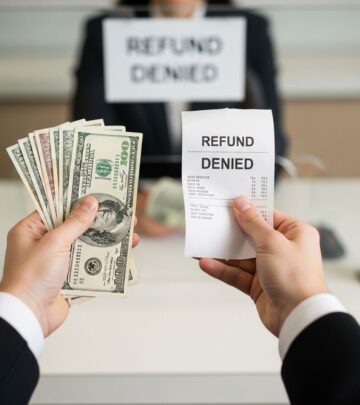
One of the greatest conveniences of modern shopping is the ability to return purchases for a refund, thanks to retailer return policies that give buyers peace of mind. However, what happens when the store refuses your return due to missed deadlines, policy restrictions, or other issues? This is where your credit card’s
return protection
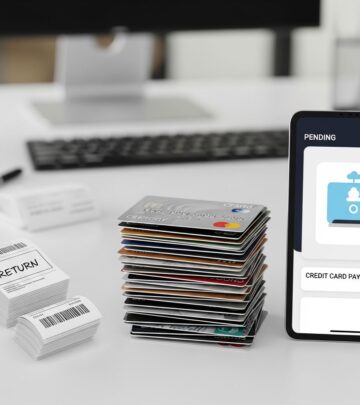
benefits come into play, acting as a powerful backup to recover your money even when the retailer won’t cooperate.Credit card issuers like Visa, Mastercard, American Express, and Discover often provide return protection (also called return assistance or guarantee) on eligible cards, reimbursing you for items the merchant rejects. These perks are not a replacement for store policies but a secondary safety net, designed for situations where you’ve already attempted a return and been denied.
Understanding Credit Card Return Protection
**Return protection** covers the purchase price of eligible items (up to specified limits) if the retailer won’t accept your return within the policy’s timeframe, typically 60-90 days from purchase. To qualify, the purchase must be made entirely with the eligible credit card, and you must first attempt to return the item to the store, obtaining written denial if possible.
According to the Consumer Financial Protection Bureau (CFPB), if a seller refuses to resolve the issue, contact your card issuer to dispute the charge, which may result in a reversal known as a
chargeback
. Chargebacks are distinct from return protection: the former addresses billing disputes like non-delivery or defective items, while return protection specifically handles merchant refusals for otherwise eligible returns.- Purchase requirement: Paid 100% with the card (no partial payments or debit).
- Initial store attempt: Document your return effort with receipts, denial letters, or photos.
- Condition: Item must be in “like-new” or good working condition; damaged goods may qualify under separate coverage like purchase protection.
These benefits enhance consumer rights, especially amid varying state return laws. For instance, without a posted policy, Maryland retailers must accept returns within a reasonable time, while California requires conspicuous posting of unique policy terms.
How Return Protection Works: Step-by-Step Process
Navigating return protection requires prompt action and documentation. Here’s a detailed guide based on common issuer policies:
- Attempt store return first: Within the retailer’s window (e.g., 30-90 days), present the item with receipt. If denied, request a written statement explaining the refusal.
- Check your card benefits: Log into your account or call the number on the back of your card to confirm return protection coverage, limits, and claims process. Popular cards like Chase Sapphire Preferred or Amex Gold often include it.
- File the claim timely: Contact the issuer within 60-90 days of purchase or denial. You’ll typically have 30 more days to submit full documentation.
- Gather documents: Include purchase receipt, card statement, store denial (if available), item photos, and original packaging.
- Ship the item if required: Many programs require mailing the item to the benefits administrator (e.g., Eclaimity or Card Benefit Services) at your expense, insured and tracked.
- Await reimbursement: Approval usually takes 30-60 days; funds are credited to your card.
The FTC advises checking receipts and seller websites for policies upfront and persisting politely with managers if initial reps deny returns. For partial payments or services, additional rules apply: you may withhold remaining payments if the purchase exceeds $50, was made in your state or within 100 miles of home, and you’ve tried resolving with the seller.
| Step | Timeline | Required Documents |
|---|---|---|
| Store Return Attempt | Within store policy (e.g., 30 days) | Receipt, item |
| Contact Issuer | 60-90 days from purchase | Denial proof |
| Submit Claim | 30 days after contact | Receipt, statement, photos |
| Ship Item | As instructed | Tracking, insurance |
This table summarizes the process for quick reference.
Key Limitations and Exclusions
While valuable, return protection has strict fine print. Shipping/handling fees are rarely refunded, and you bear mailing costs to the administrator. Items must be undamaged; for defects, use purchase protection instead.
Common exclusions across issuers include:
- Ticketed events (concerts, travel)
- Jewelry, watches, gems
- Perishables: food, plants, flowers, animals
- Digital goods: software, games (once opened)
- Custom or personalized items
- Vehicle parts, tires
- Overseas purchases (U.S. cards only)
- Antiques, collectibles, used items
Limits vary: per item $250-$1,000; annual $1,000-$10,000. Always review your Guide to Benefits. State laws add layers; Florida mandates posting “no refunds” policies conspicuously, or customers get 7-day refunds.
Return Protection vs. Chargebacks: Key Differences
Don’t confuse return protection with chargebacks. Use return protection for policy refusals on functional items; chargebacks for non-delivery, defects, or billing errors within 60 days of statement.
| Feature | Return Protection | Chargeback |
|---|---|---|
| Purpose | Store refuses eligible return | Non-receipt, defective, error |
| Timeline | 60-90 days purchase | 60 days statement |
| Item Return? | Often yes, to issuer | No, keep/dispose |
| Exclusions | Many categories | Fewer, but fraud-proof req. |
Chargebacks succeeded in cases like store closures where items weren’t delivered.
State Return Laws: Enhancing Your Rights
U.S. return laws vary, bolstering card protections. No federal mandate exists, but states regulate postings and defaults.
- California: Post unique policies; must specify refund/credit/exchange terms, conditions.
- Florida: “No refunds” must be posted; else, 7-day full refunds.
- Hawaii: Post policy; unposted defaults to 60-day refunds. Credit valid 2 years.
- Maryland: Post policy; unposted allows reasonable-time returns. Defective items: repair/replace/refund.
These laws ensure transparency, aligning with FTC advice to check policies promptly.
Credit Cards with Strong Return Protection
Not all cards offer it; premium ones do:
- Chase Sapphire Reserve: $10,000 annual.
- Amex Platinum: Up to $300/item, $1,000/year.
- Visa Signature Infinite: Varies by bank.
- Bank of America Premium Rewards: $500/item.
Verify via issuer sites; benefits evolve.
Real-World Examples and Tips
A reader reversed charges when a store closed post-purchase. Tips: Photograph everything, keep records 2 years, escalate to CFPB if denied.
Proactive steps: Use cards for big buys, buy return shipping insurance, know state laws.
Frequently Asked Questions (FAQs)
Can I use return protection without trying the store first?
No, you must attempt and be denied by the retailer first.
What if the item is damaged?
Use purchase/damage protection instead; return protection requires like-new condition.
How long do I have to file?
Typically 60-90 days from purchase; check your policy.
Does it cover online shipping fees?
Usually no; only item cost.
What about buy-now-pay-later?
Different rules; not credit card chargebacks.
Final Tips for Success
Always use credit cards for protection-eligible purchases, document meticulously, and act fast. Combine with state laws for strongest leverage. This strategy has helped countless shoppers recover funds from stubborn retailers.
References
- How to Return Items Through Your Credit Card If the Store Refuses — Wise Bread. 2015 (evergreen consumer guide, policy basics unchanged). https://www.wisebread.com/how-to-return-items-through-your-credit-card-if-the-store-refuses
- Return and Refund Laws in the U.S. — TermsFeed. 2023-10-12. https://www.termsfeed.com/blog/return-refund-laws-usa/
- How can I get a refund on a product or service I purchased with my credit card? — Consumer Financial Protection Bureau (CFPB). 2024-06-15. https://www.consumerfinance.gov/ask-cfpb/how-can-i-get-a-refund-on-a-product-or-service-i-purchased-with-my-credit-card-en-1969/
- Solving Problems With a Business: Returns, Refunds, and Other Resolutions — Federal Trade Commission (FTC). 2023-08-22. https://consumer.ftc.gov/articles/solving-problems-business-returns-refunds-and-other-resolutions
Similar Articles








Read full bio of medha deb