How to Report a Landlord to the Health Department
Complete guide to reporting unsafe rental conditions to health authorities.

Living in a rental property should not compromise your health and safety. Unfortunately, some landlords neglect their responsibilities to maintain habitable living conditions, leaving tenants exposed to hazardous environments. When communication and informal resolution attempts fail, reporting your landlord to the health department becomes a necessary step to protect yourself and enforce your rights as a tenant. This comprehensive guide walks you through the process of reporting housing violations and understanding the regulatory framework that protects renters.
Understanding Your Rights as a Tenant
Before taking action to report your landlord, it is crucial to understand the legal framework governing landlord-tenant relationships. Most states, including Iowa, have established tenant protection laws that outline the responsibilities of property owners regarding habitability, maintenance, and safety standards. These laws typically require landlords to maintain rental units in a condition that meets basic health and safety requirements, including adequate heat, hot water, functioning plumbing, and protection from pests and structural hazards.
The Universal Landlord and Tenant Act provides specific guidelines for both landlord and tenant responsibilities in rental housing matters. Familiarizing yourself with these laws empowers you to identify legitimate violations and understand when reporting becomes appropriate. Your state’s legal aid organization can provide detailed information about tenant rights and the specific protections available in your jurisdiction.
Identifying Health and Safety Violations
Not every maintenance issue warrants a health department report. Understanding the difference between minor repairs and serious health hazards helps you determine the appropriate course of action. Health department violations typically involve conditions that directly threaten occupant health and safety.
Common health violations include:
- Lack of adequate heat during winter months
- Absence of hot water for bathing and cleaning
- Non-functional plumbing systems
- Severe mold or moisture problems
- Pest infestations including rodents and insects
- Lead paint hazards, particularly in older buildings
- Structural damage affecting stability or weather protection
- Lack of proper ventilation and air quality issues
- Unsafe electrical systems or exposed wiring
- Inadequate sanitation facilities
These violations pose immediate or long-term health risks to residents and typically fall under the jurisdiction of health departments and housing inspection agencies.
Documenting the Problem
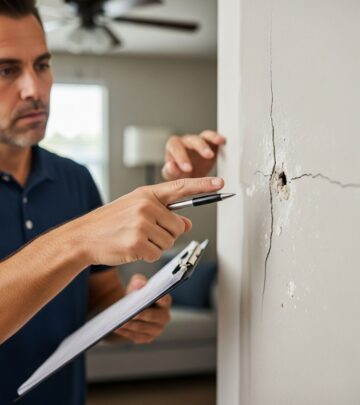
Thorough documentation is essential when reporting housing violations to authorities. Your detailed records provide evidence that substantiates your complaint and helps inspectors understand the severity of the situation. Begin by taking photographs and videos of all problem areas, ensuring images clearly show the violation with context. Date-stamp all media files and organize them chronologically.
Create a written log documenting when you first noticed the problem, how it affects your daily life, and any communications you have had with your landlord about the issue. Include specific dates, times, and descriptions of conversations, including who you spoke with and what was discussed. Keep copies of any written communication from your landlord, maintenance requests you submitted, and responses received.
If the violation is causing health problems, maintain medical records or notes documenting symptoms or illnesses related to the housing condition. For instance, if mold is causing respiratory issues, keep records of doctor visits and prescribed treatments. This health documentation strengthens your case and demonstrates the tangible impact of the violation.
Taking Initial Steps Before Reporting
Most regulatory agencies expect tenants to first attempt to resolve issues directly with their landlord. Before filing an official complaint with the health department, provide your landlord with written notice of the problem. This written notice should clearly describe the specific violations, explain why they pose health or safety risks, and request a timeline for repairs.
The notice must be delivered to your landlord in writing, either by certified mail, regular mail with tracking, or hand delivery with a signed acknowledgment. Keep copies of all correspondence for your records. Allow your landlord a reasonable timeframe to address the issue—typically seven to fourteen days, depending on the severity and your state’s requirements. For essential services like heat or hot water, more immediate action may be necessary.
If your landlord fails to respond or take action after receiving written notice, you have established a clear record of their non-compliance. This documentation strengthens your position when filing a formal complaint with authorities.
Locating Your Local Health Department
The specific agency responsible for housing code enforcement varies by location. In many communities, the health department oversees housing inspections and health code violations. However, some jurisdictions have dedicated housing inspection services or departments of building safety that handle these matters.
To find the appropriate agency in your area, start by contacting your city or county government office. Most municipalities maintain websites with contact information for various departments. Search for terms like “housing inspection,” “health department,” “code enforcement,” or “rental housing complaints.” Your state’s attorney general office or housing authority can also direct you to the correct agency if you are uncertain.
For rental properties that receive federal funding or are managed through HUD programs, you can report violations directly to the U.S. Department of Housing and Urban Development’s Multifamily Housing Complaint Line. This option provides recourse for serious violations in federally-assisted housing.
Filing Your Complaint
Most health departments accept complaints through multiple channels, including phone, online forms, email, and in-person visits. When filing your complaint, provide detailed information about the violation, including:
- The specific address of the rental property
- Your contact information and role as tenant
- Detailed description of the health or safety violations
- Date violations were first observed
- Documentation and evidence attached to your complaint
- Your landlord’s contact information
- Names of other affected tenants, if applicable
- Timeline of previous communication with your landlord
Be specific and factual in your description. Use concrete examples and measurements when possible. Attach photographs, videos, medical records, and copies of your written communications to your landlord. The more comprehensive your complaint, the better equipped inspectors are to investigate thoroughly.
Many agencies maintain complainant confidentiality as required by state law. This protection means your landlord may not learn your identity, though they will be informed that a violation was reported. Confidentiality protections help prevent retaliatory action against tenants who report legitimate violations.
What Happens After You File
Once your complaint is filed, the health department typically schedules an inspection of the property within a specified timeframe. The urgency of inspection scheduling depends on the severity of the violation. Serious health hazards may warrant immediate inspection, while less critical issues might be scheduled within several weeks.
During the inspection, a qualified inspector will examine the property and document any violations found. The inspector verifies whether the conditions meet code requirements and pose genuine health risks. The inspection report becomes the official record of violations and guides enforcement action.
If violations are confirmed, the health department issues orders requiring the landlord to make corrections within a specified timeframe. The severity of violations determines the urgency of required repairs. Critical health hazards might require immediate correction, while less severe issues allow additional time for remediation.
If your landlord fails to comply with correction orders, the health department can impose fines, pursue legal action, or in extreme cases, declare the unit unfit for habitation. In situations where units are deemed uninhabitable, tenants may have rights to break their lease or receive rent reductions without penalty.
Additional Resources and Support
You do not have to navigate this process alone. Several resources can provide guidance and support throughout the complaint process. Legal aid organizations offer free or low-cost assistance to tenants who cannot afford private attorneys. These organizations can help interpret lease agreements, understand tenant rights, and advise on complaint procedures.
Your state’s tenant rights handbook provides detailed information about housing standards and complaint procedures specific to your jurisdiction. Many states distribute these handbooks through their housing agencies or attorney general offices. Some municipalities also publish local housing codes and tenant guides available online or through city offices.
Tenant unions and housing advocacy organizations often maintain resources and support networks for renters facing housing issues. These groups can connect you with others experiencing similar problems, provide moral support, and sometimes assist with complaint documentation and filing.
Understanding Your Protections Against Retaliation
Tenant protection laws in most states prohibit landlords from retaliating against tenants for reporting housing violations. Retaliation includes actions such as raising rent, reducing services, threatening eviction, or otherwise punishing tenants for exercising their legal rights.
If your landlord attempts retaliation after you file a complaint, document these actions carefully. Report retaliation to your housing authority or tenant rights organization. Many jurisdictions provide additional legal remedies for retaliatory conduct, including the ability to break your lease without penalty or seek damages from your landlord.
When to Escalate Your Complaint
If the health department fails to investigate your complaint or take action against confirmed violations, you have options to escalate the matter. Contact your city council representative or county supervisor to express concerns about enforcement gaps. Request a meeting with the health department director to discuss the status of your complaint.
You can also file complaints with your state’s attorney general office, particularly if you believe the health department is failing to enforce housing codes. Additionally, consider consulting with a tenant rights attorney who can advise on legal action against your landlord, including lawsuits for breach of the warranty of habitability.
Frequently Asked Questions
Q: How long does it typically take for a health department to inspect a property after I file a complaint?
A: Timeline varies by jurisdiction and violation severity. Emergency violations may be inspected within 24-48 hours, while standard complaints might be scheduled within 2-4 weeks. Contact your local health department for specific timeframes.
Q: Can my landlord find out who reported them?
A: Most jurisdictions maintain complainant confidentiality by law. Your landlord will be notified of violations but typically not informed of your identity as the complainant.
Q: What should I do if my landlord retaliates after I file a complaint?
A: Document all retaliatory actions with dates and details. Report retaliation to your housing authority or tenant rights organization. Most states provide legal remedies and protections against landlord retaliation.
Q: Do I need a lawyer to report my landlord to the health department?
A: No, you can file complaints directly without legal representation. However, legal aid organizations can provide guidance and support if you need assistance.
Q: What happens if the health department finds no violations?
A: If inspectors determine conditions meet code standards, no violations are cited. You can request a detailed inspection report explaining their findings and may consult a lawyer about other legal remedies.
Q: Can I report multiple violations in one complaint?
A: Yes, you can include all observed violations in a single complaint. List each issue separately with specific details and supporting documentation.
Conclusion
Reporting a landlord to the health department is an important mechanism for protecting your rights and ensuring safe living conditions. By understanding the complaint process, thoroughly documenting violations, and utilizing available resources, you can effectively advocate for necessary repairs and maintenance. While the process requires effort and persistence, the outcome—a habitable rental unit free from health hazards—makes it worthwhile. Remember that tenant protection laws exist specifically to empower you in situations where landlords fail to meet their legal obligations. Do not hesitate to use these tools to ensure your rental home meets basic health and safety standards.
References
- Resolving Landlord & Tenant Issues — Story County, Iowa. Accessed November 2025. https://www.storycountyiowa.gov/208/Landlord-Tenant-Issues
- How Do I Get My Landlord to Make Repairs? — Iowa Legal Aid. Accessed November 2025. https://iowalegalaid.org/resource/how-do-i-get-my-landlord-to-make-repairs/
- How to file a complaint against a landlord — USAGov. Updated November 17, 2025. https://www.usa.gov/tenant-rights
- File a Complaint — Iowa Department of Inspections and Appeals. Accessed November 2025. https://dial.iowa.gov/i-need/complaints
- Housing Inspection Services — Iowa City, IA. Accessed November 2025. https://www.icgov.org/residents/renting-in-iowa-city/landlord-complaints
Similar Articles








Read full bio of Sneha Tete