How To Reduce Food Waste: 16 Smart, Easy Tips
Discover 16 practical strategies to cut food waste, save on groceries, and make every meal count without sacrificing nutrition or flavor.
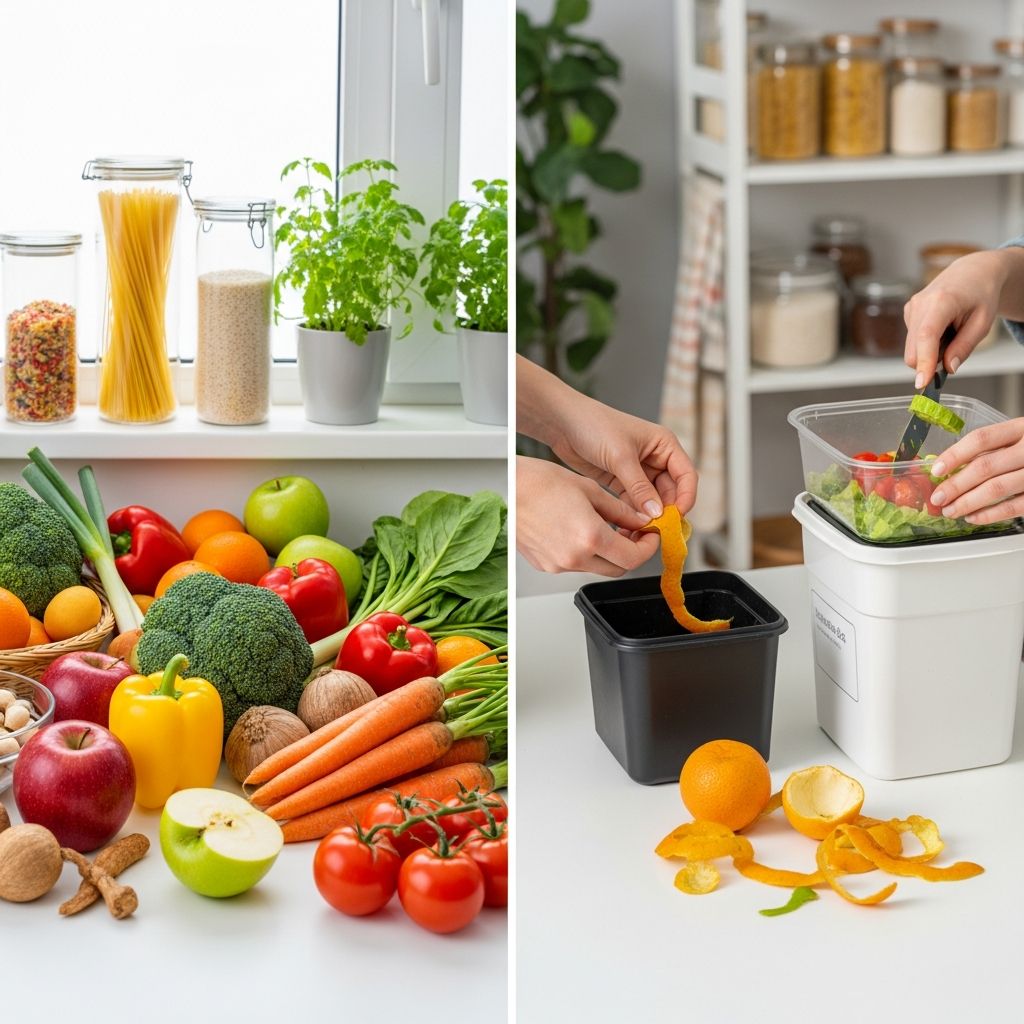
Food waste is a massive issue affecting households and the environment. In the U.S., an estimated 30% to 40% of the food supply is wasted annually, costing families hundreds of dollars yearly and contributing to greenhouse gas emissions. By implementing simple habits like planning purchases and proper storage, you can stretch your grocery budget further while reducing landfill contributions. This guide shares 16 actionable tips to help you minimize waste, save money, and eat smarter.
1. Make a Grocery List and Stick to It
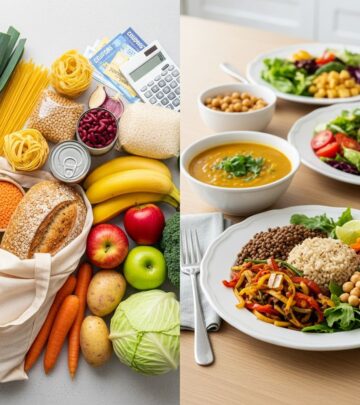
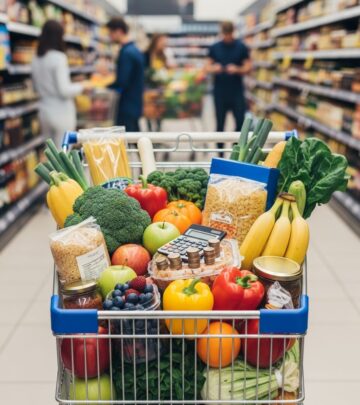
Impulse buys are a primary cause of food waste. Create a weekly meal plan based on your schedule and inventory what you already have. Write a precise grocery list and adhere to it during shopping to avoid overbuying perishables like fresh herbs or vegetables that spoil quickly.
Pro tip: Think ‘double duty’ for ingredients. If a recipe calls for cilantro, plan two meals using it to ensure the entire bunch gets used before wilting.
2. Buy Frozen Instead of Fresh
Fresh produce looks appealing but often spoils before use. Opt for frozen fruits and vegetables, which retain nutrients and last indefinitely in the freezer. They’re typically cheaper per serving and ready to cook without thawing waste.
For example, frozen berries work perfectly in smoothies, and frozen spinach is ideal for soups, eliminating the rush to consume before spoilage.
3. Plan for Surprises
Unexpected events like work lunches or social outings derail meal plans, leaving ingredients unused. Build flexibility into your schedule by including at least one frozen meal or pantry staple day each week. This allows you to shift fresh items without tossing them.
4. Buy Ugly Produce
Imperfect fruits and vegetables—those with bruises, odd shapes, or blemishes—are often discarded despite being perfectly edible. Purchasing ‘ugly produce’ from grocery stores, farmers markets, or subscription boxes like Imperfect Foods or Hungry Harvest saves up to 30-50% on prices while diverting waste from landfills.
Services deliver customized boxes starting at $11 for 7 pounds, including organic options. Customize with a ‘Never List’ to avoid unwanted items. Always cut away surface bruises; the rest is nutritious and flavorful.
| Box Type | Feeds | Price (Regular) | Price (Organic) |
|---|---|---|---|
| Mini Harvest | 1-2 people | $15 | $28 |
| Full Harvest | 2-3 people | $25 | $34 |
| Super Harvest | 4-7 people | $33 | $42 |
Local CSAs or farmers markets offer similar deals on seasonal imperfect items.
5. Use Your Freezer
The freezer is your best ally against waste. Almost anything can be frozen: meats, bread, milk, shredded cheese, herbs in olive oil, and even raw eggs (crack into ice cube trays). Portion items before freezing to thaw only what you need, extending usability for months.
- Meats: Vacuum-seal in portions.
- Bread: Slice and freeze in bags.
- Produce: Blanch veggies first for best texture.
6. Shop Smart for Proteins
Buy family packs of meat and ask butchers to re-portion for free freezing. Ethnic markets often have lower prices on proteins, seafood, and spices, reducing costs and waste through bulk buys.
7. Clean Your Fridge and Organize Your Pantry
A cluttered fridge hides expired items, leading to mold and forgotten food. Weekly deep cleans reveal what you have, inspiring use. Use clear bins for produce and label shelves. In the pantry, FIFO (first in, first out) rotation prevents buried cans and duplicates.
Store roots like carrots in crisper bags to maintain humidity.
8. Try Composting
Even with best efforts, some scraps remain. Compost coffee grounds, veggie peels, and eggshells instead of trashing them. Home bins or community programs turn waste into nutrient-rich soil for gardens, closing the loop sustainably.
9. Learn to Preserve or Can Foods
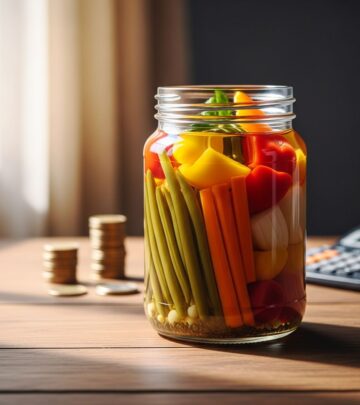
Preserving extends shelf life dramatically. Pickle cucumbers, can tomatoes, or make jams with a basic kit. These traditional methods, used for centuries, require upfront effort but save money long-term by transforming excess into shelf-stable goods.
10. Donate Extra Food
Unwanted but unopened items belong at food banks or with neighbors. Check local rules—most accept canned goods and dry staples. Apps like Too Good To Go connect you with surplus from stores at discounts.
11. Eat What You Have
Challenge yourself with ‘pantry meals’: Invent recipes from lingering items nearing expiration. Apps like SuperCook suggest ideas based on ingredients, turning potential waste into creative dinners.
12. Buy Pre-Bagged Produce
Bags of apples, potatoes, or onions cost less per unit and often include smaller or imperfect pieces. They’re convenient and reduce selection waste.
13. Host a Potluck
Clear out odd ingredients by hosting friends. Assign dishes based on themes, using up half-bunches of herbs or experimental buys. It’s social, fun, and slashes individual waste.
14. Shop at Farmers Markets or CSAs
Direct from growers, these offer fresh, affordable produce with less middleman waste. CSAs provide weekly shares; markets let you pick imperfect gems cheaply.
15. Store Properly
Proper storage is key: Bananas away from other fruit to slow ethylene ripening; herbs in water like flowers; greens wrapped in damp towels.
16. Track Your Waste
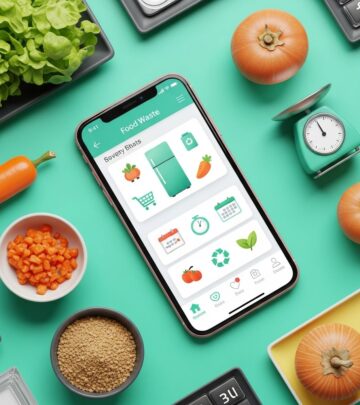
Log tossed food for a week to identify patterns. Adjust habits accordingly—often, it’s dairy or greens. Tools like fridge cameras or apps gamify reduction.
The Lesson: Waste Not, Want Not
Reducing food waste saves an average household $1,500 yearly while cutting emissions equivalent to 42 million cars. Start small: Pick 3 tips this week. Over time, mindful buying, storing, and cooking create a ripple effect of savings and sustainability.
Frequently Asked Questions (FAQs)
What causes most household food waste?
Overbuying, poor planning, and improper storage lead to spoilage, especially of produce which accounts for 40% of waste.
Is ugly produce safe to eat?
Yes, blemishes are cosmetic. Cut away bruises; nutrition remains intact.
How long can I freeze food?
Meats up to 12 months, veggies 8-12 months, bread 3 months. Label with dates.
Can I compost meat or dairy?
No, stick to plant scraps to avoid pests. Check local guidelines.
What’s the easiest way to start?
Make a grocery list and clean your fridge weekly for immediate impact.
References
- How to Reduce Food Waste: 16 Smart and Easy Tips — The Penny Hoarder. 2023. https://www.thepennyhoarder.com/save-money/how-to-reduce-food-waste/
- Save Money On Food By Buying Ugly Produce — The Penny Hoarder. 2023. https://www.thepennyhoarder.com/save-money/ugly-produce/
- 17 Unusual Grocery Hacks That Can Save Families Money — News4JAX. 2026-01-12. https://www.news4jax.com/news/local/2026/01/12/17-unusual-grocery-hacks-that-can-save-families-money/
- How to Save Money by Minimizing Your Food Waste — The Penny Hoarder. 2025-12-19. https://www.thepennyhoarder.com/save-money/find-throwing-away-food-5-strategies-minimizing-food-waste/
- How to Save at Farmers Markets — The Penny Hoarder. 2023. https://www.aol.com/save-farmers-markets-penny-hoarder-160041240.html
- The Food You Toss Costs You Plenty — WSLS. 2025-10-21. https://www.wsls.com/health/2025/10/21/the-food-you-toss-costs-you-plenty-and-emits-tons-of-pollution-weve-got-tips-on-how-to-cut-down/
Similar Articles








Read full bio of medha deb