How to Recycle Your Clothes, Shoes, Electronics, and More
Comprehensive guide to responsibly recycling clothes, shoes, electronics, appliances, and household items to reduce waste and protect the environment.
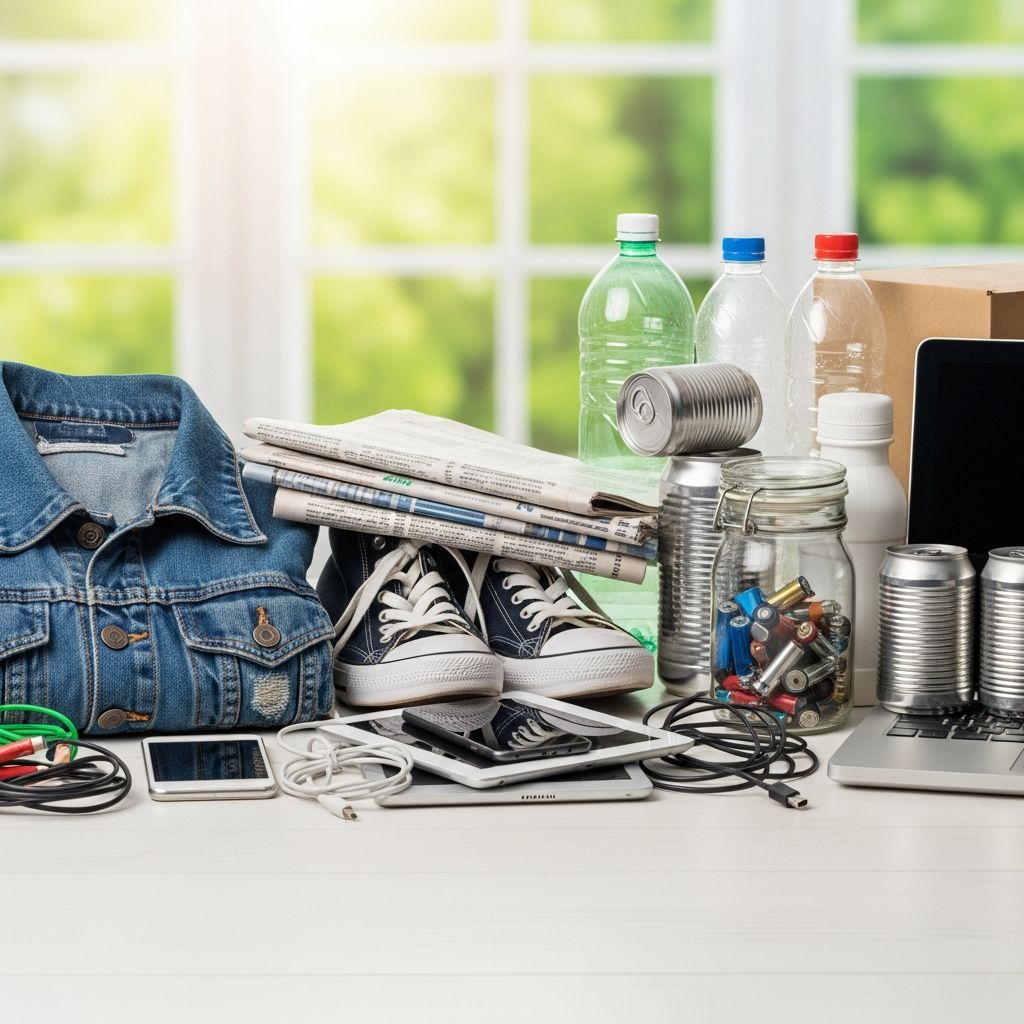
Recycling household items prevents waste from entering landfills, conserves resources, and supports a circular economy. This guide covers practical methods for clothes, shoes, electronics, and other common items, drawing from established programs and local resources.
Recycling Clothes
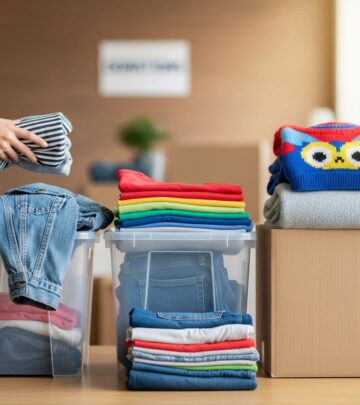
Old clothes often pile up in closets, but numerous options exist beyond the trash bin. Donate gently used garments to thrift stores like Goodwill or Salvation Army, where they can be resold to fund community programs. For worn-out fabrics unsuitable for donation, textile recycling programs break them down into fibers for new materials.
- Check local charities for clothing drives; many accept items in good condition year-round.
- Use services like The Bra Recyclers for specialty items such as bras, diverting them from landfills.
- Swap clothes with friends or participate in community clothing swaps to extend item lifespans.
Textile waste constitutes a significant portion of municipal solid waste; recycling reduces this impact while saving energy compared to producing new fabrics.
Recycling Shoes
Shoes, especially athletic ones, wear out quickly but have recyclable components like rubber soles and foam midsoles. Nike’s Reuse-A-Shoe program accepts any brand of worn-out athletic shoes at Nike or Converse stores, grinding them into material for sports surfaces.
- Drop off at participating stores; no cost to consumers.
- For non-athletic shoes, donate usable pairs to shelters or repair and resell on platforms like local marketplaces.
- Runners replacing shoes annually can avoid closet clutter by recycling promptly.
Programs like these transform over 30 million pairs yearly, preventing landfill accumulation.
Recycling Electronics
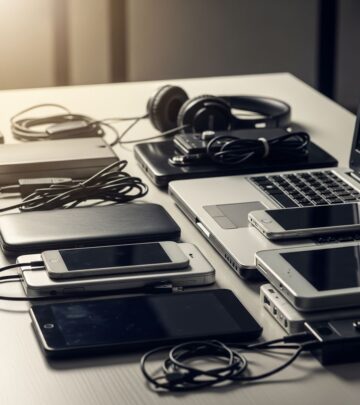
Electronics contain hazardous materials like lead and mercury, making proper disposal essential. Retailers like Best Buy offer free recycling for phones, computers, TVs, and cables, handling data destruction securely.
- Old cell phones: Recycle at Best Buy or donate working units to Cell Phones for Soldiers for military families.
- Cables and wires: Drop off tangled orphans at Best Buy to recover metals like copper.
- Small gadgets: Use earth911.com to locate e-waste centers nationwide.
Avoid stockpiling outdated devices; responsible recycling recovers valuable materials and prevents environmental contamination.
Recycling Small Appliances
Hair dryers, curling irons, toasters, and blenders accumulate in drawers. Brand-specific programs exist, such as Hamilton Beach accepting their products (shipping paid by owner), but most require local centers.
- Search earth911.com or recyclenation.com for nearby facilities accepting small appliances.
- Clean items before drop-off to facilitate processing.
- Donate functional appliances to habitat for humanity restores.
These items often contain recyclable plastics and metals, reducing the need for virgin materials.
Recycling Batteries
Batteries, both alkaline and rechargeable, harbor heavy metals like cadmium and nickel that leach into soil if landfilled. Dedicated programs ensure safe handling.
- Rechargeables (NiMH, Li-ion): Best Buy recycling kiosks.
- Alkaline batteries: Batteries Plus Bulbs or call2recycle.org locations.
- Never trash them; tape terminals on loose batteries to prevent shorts.
Over 500 million pounds of batteries are recycled annually through these channels, safeguarding water sources.
Recycling Light Bulbs
Compact fluorescent lamps (CFLs) contain small amounts of mercury, prohibiting regular trash disposal. LEDs are safer but recyclable.
- CFLs: Home Depot accepts them free at store entrances.
- LEDs: earth911.com for local options.
- Store broken bulbs in sealed bags and handle carefully to avoid mercury release.
Proper recycling captures mercury for safe reuse, preventing air and water pollution.
Recycling Manuals and Paperwork
Digital access has rendered physical owner’s manuals obsolete. Recycle them as paper unless rare.
- Search online for PDFs or troubleshooting guides.
- Shred sensitive documents before recycling.
This declutters space while supporting paper recovery, which saves trees and energy.
Other Household Items
Beyond core categories, items like car seats and miscellaneous appliances need attention.
| Item | Recycling Method | Notes |
|---|---|---|
| Car Seats | Dismantle and recycle parts; 11 states have centers | Cut straps to prevent reuse; trash foam padding. |
| Blenders/Mixers | Local centers via earth911.com | Hamilton Beach brand: mail-back. |
| Cosmetics | Recycle containers if empty. |
Earth911.com remains a vital tool for locating facilities for unique items.
Frequently Asked Questions (FAQs)
Where can I recycle old running shoes?
Nike’s Reuse-A-Shoe program at Nike/Converse stores accepts any brand athletic shoes for free recycling into playground surfaces.
Is it safe to throw away batteries?
No, due to toxic metals; use Best Buy for rechargeables and call2recycle.org for alkalines.
How do I recycle CFL light bulbs?
Take to Home Depot; they contain mercury and cannot go in trash.
What about old cables and chargers?
Best Buy recycles them for free, recovering valuable metals.
Can I donate broken clothes?
Only gently used items; damaged textiles go to recycling programs like those for rags or insulation.
Benefits of Recycling
Recycling these items conserves energy—recycled aluminum saves 95% energy versus new production—and reduces landfill methane emissions. Programs like those at Best Buy and Nike process millions of pounds annually, fostering sustainability.
Start by sorting one category, like electronics, then expand. Use apps and sites for locations to make it effortless.
References
- You Need to Get Rid of These 16 Household Items — Pronto! — Wise Bread. 2010-approx (authoritative for programs). https://www.wisebread.com/you-need-to-get-rid-of-these-16-household-items-pronto
- 10 Things in Your Basement You Should Throw Out Today — Wise Bread. 2010-approx (practical recycling advice). https://www.wisebread.com/10-things-in-your-basement-you-should-throw-out-today
- How to Recycle your Clothes, Shoes, Electronics, and More — Wise Bread. N/A (core topic source). https://www.wisebread.com/how-to-recycle-your-clothes-shoes-electronics-and-more
- Earth911 Recycling Search — Earth911 (official recycler directory, .org primary). https://earth911.com
- Call2Recycle Battery Program — Call2Recycle (official standards body). https://www.call2recycle.org
Similar Articles








Read full bio of medha deb