How To Read A Check: Complete Guide To Key Components
Master check reading: Learn every component and secure your finances today.
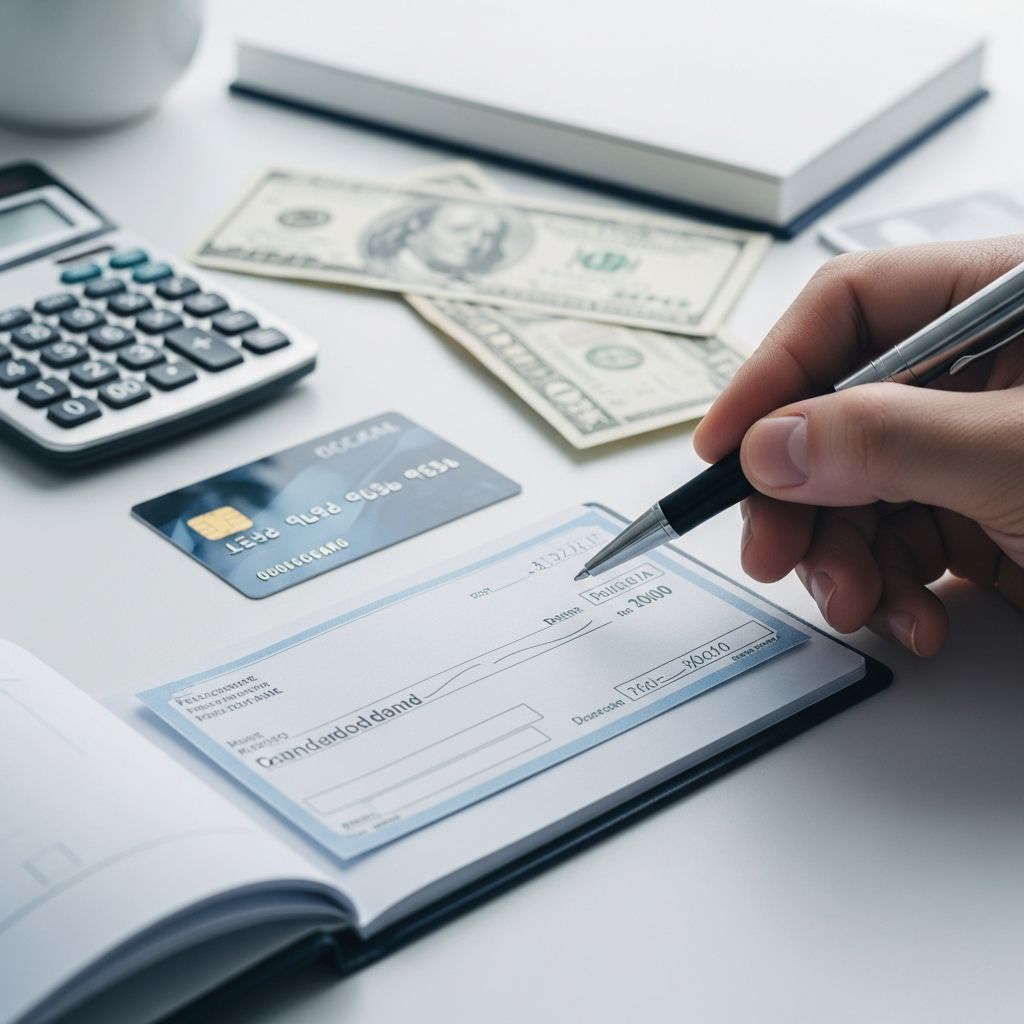
In today’s increasingly digital world, paper checks may seem like relics of the past. However, checks remain an important financial tool for many people and businesses. Whether you’re depositing a check, writing one, or simply trying to understand what all those numbers and lines mean, knowing how to read a check is an essential financial skill. Understanding the various components of a check can help you avoid fraud, catch errors before they become problems, and streamline your financial management process.
Your Personal Information
When you receive a check book from your bank, the checks are pre-printed with your personal information in the upper left corner. This section typically includes your name, address, and phone number. This information identifies you as the account holder and check writer. The personal information serves as a quick reference for anyone receiving the check, allowing them to contact you if there are any questions or issues regarding the check. It’s important to ensure this information is accurate and up-to-date with your bank, as it appears on every check you write.
The Check Number
Located in the upper right corner of the check, and also repeated at the bottom of the check, the check number is a unique identifier for each individual check in your checkbook. Check numbers typically range from three to six digits long and are printed in ascending order. When you write a check, you should record the check number in your check register along with the amount and payee information.
The check number serves several important purposes. First, it helps you keep track of which checks you’ve written and provides a record for reconciliation purposes. Second, if your checkbook is ever stolen or lost, you can report the specific check numbers to your bank so they can monitor for fraudulent activity. Third, check numbers make it easy to organize your payments and cross-reference them with your bank statements. Recording check information immediately after writing a check helps you maintain an accurate account balance and prevents accidental overdrafts.
The Date Line
The date line is where you indicate when the check is being written. This field appears near the top right of the check and requires you to write the current date. However, it’s important to understand that you have the option to post-date a check, meaning you can write a future date on the check with the intention of delaying when it’s cashed.
Many people post-date checks when they anticipate that funds won’t be available in their account until a future date. However, it’s crucial to understand that post-dating does not legally prevent a bank from cashing the check before that date. Most financial institutions will process and cash a check as soon as it’s received and signed by the issuer, regardless of the date written on the check. Therefore, you should never write a post-dated check unless you’re absolutely certain your account will have sufficient funds by the date the check might be presented.
The Payee Name
The payee line is where you write the name of the person or business who will receive the payment. This line typically begins with “Pay to the order of” and is one of the most critical parts of the check. The payee name must match the name on the account where the funds will be deposited, or the receiving bank may refuse to process the check.
When writing the payee name, be as specific as possible. If you’re making a check payable to multiple people, you need to use the correct conjunction. If the payee line reads “John and Jane Smith,” both individuals must endorse the check for it to be valid. However, if it reads “John or Jane Smith,” then either one of them can endorse and deposit the check. This distinction is important for ensuring the check can be processed correctly.
The Payment Amount Box
The payment amount box is located on the right side of the check and is where you write the monetary value in numerical form. This box typically has a dollar sign printed next to it, and you should write the amount using numerals. For example, you would write “$150.75” or “$50.00.” Be sure to include both dollars and cents, even if the amount is a whole dollar figure.
The numerical amount must be clear and legible to avoid processing errors. Some people use decimal points and commas, while others prefer to simply write the numbers. The key is to ensure there’s no ambiguity about the amount being paid. If the numbers are unclear or smudged, the bank may contact you for clarification or may refuse to process the check.
The Payment Amount in Words
Below the payee line, there’s a long line where you must write out the payment amount in words. For example, if the numerical amount is $225.75, you would write “Two hundred twenty-five dollars and 75/100” on this line. This redundancy serves an important purpose: if there’s a discrepancy between the numerical amount and the written amount, banks typically honor the amount written in words.
When writing the amount in words, start at the beginning of the line and use clear, legible handwriting. Some people draw a line or use a series of dashes from the end of the written amount to the end of the line to prevent anyone from adding additional words or numbers. This is a common fraud prevention technique. Always ensure that the amount written in words matches the numerical amount. If they don’t match, correct the discrepancy before signing the check, as banks may refuse to process checks with conflicting amounts.
The Memo Line
The memo line is an optional field on a check where you can write a brief note about the purpose of the payment. This line typically appears in the lower left portion of the check and might say “Memo” or “For.” Common memo entries include account numbers for utility bills, invoice numbers, or brief descriptions like “Rent” or “Medical Services.”
While the memo line is optional, using it can be incredibly helpful for your record-keeping and reconciliation purposes. The memo information appears on your bank statement, making it easy to identify what each payment was for. This is particularly useful when you’re reconciling your accounts or trying to match checks to specific bills or invoices. Additionally, if there’s ever a dispute about a payment, the memo line provides documentation of your intent.
The Signature Line
A check is not valid unless it’s signed by the account holder or authorized signer. The signature line appears in the lower right portion of the check and requires your actual signature—not printed or typed text. Your signature authorizes the bank to withdraw funds from your account and transfer them to the payee.
Your signature on a check is a legal authorization, so it’s important to sign checks carefully and only when you’re confident about all the details. Never sign a blank check, and never sign a check if you’re unsure about any of the information. If you notice an error after signing, you should void the check and write a new one rather than making alterations to a signed check.
The Bank Name and Routing Number
At the bottom of every check is a series of machine-printed numbers called the MICR line (Magnetic Ink Character Recognition). The first nine digits on the left side of this line constitute your bank’s routing number, which is a unique code that identifies the financial institution where your account is held. Each bank has its own routing number, and these numbers always start with either a 0, 1, 2, or 3.
The routing number serves as an address within the banking system, allowing other banks to identify where your account is located. When you deposit a check or set up electronic transfers, the receiving bank uses your routing number to request funds from the correct financial institution. You’ll need your routing number for various financial transactions, including setting up direct deposits, electronic bill payments, automatic fund transfers, and digital payments. If the MICR line is damaged or unreadable, banks can use the fractional bank number (typically printed in the upper right corner) as a backup method to identify the correct routing information.
The Account Number
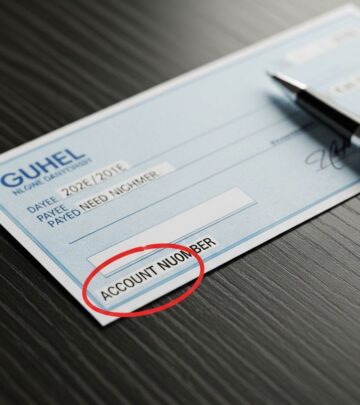
Immediately following the routing number on the MICR line is your account number, which is a unique identifier for your specific checking account. Account numbers typically range from 9 to 12 digits in length. While the routing number identifies your bank, the account number identifies which account within that bank should be debited when the check is presented for payment.
Your account number is essential for the bank to know exactly which account to withdraw funds from. Some checks may have additional numbers before or after the account number, which represent internal bank processing codes or identifiers for specific branch locations. Just like your routing number, you’ll need your account number for setting up electronic transactions, direct deposits, and digital banking services. If you don’t have a check available, you can find your account number on your bank statements or by logging into your online banking account.
The Fractional Bank Number
Located in the upper right corner of your check, the fractional bank number is a three-part number that looks like a fraction (for example, 50-7044/2219). This number corresponds to the same routing information contained in the MICR line at the bottom of the check. Specifically, the fractional bank number is used to identify the original bank that issued the check.
The fractional bank number was originally used before the MICR line was introduced, and it served as a backup method for banks to identify the correct routing information. Today, the fractional bank number is not used as frequently since the same information is contained in both the MICR line and the routing number. However, it’s still printed on checks and can be useful if the MICR line is damaged or illegible. Understanding this component can help you troubleshoot issues if a check won’t scan or process correctly.
Understanding the Complete Check Layout
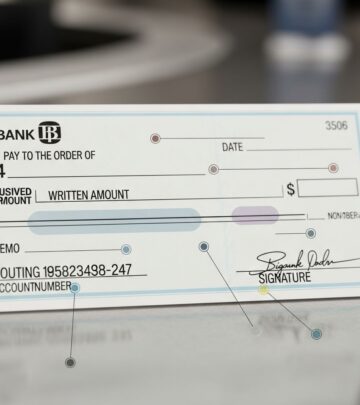
To fully understand how to read a check, it’s helpful to visualize where all these components appear on a standard check format. The upper left contains your personal information, the upper right displays the check number and date, the middle section includes the payee information and payment amounts, and the bottom contains the critical banking information needed for processing.
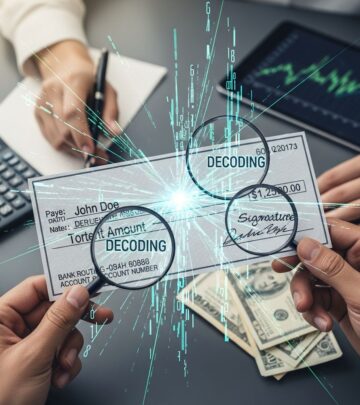
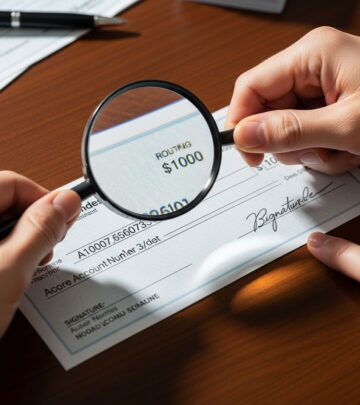
When you receive a check to deposit, examine all these elements carefully. Verify that the payee name matches your business or name, confirm the payment amounts (both numerical and written), check the date to ensure it’s not post-dated, and examine the signature to ensure it appears legitimate. Any discrepancies or concerns should be addressed before depositing the check.
Security Features and Fraud Prevention
Modern checks include several security features designed to prevent fraud and forgery. These may include security ink that contains special compounds, microprinting that’s difficult to replicate, watermarks visible when held up to light, and UV overprinting that’s only visible under ultraviolet light. Some checks also feature secure seals or special paper that shows evidence of tampering if alterations are attempted.
When examining a check, look for these security features as indicators of legitimacy. Be suspicious of checks that appear to have been altered or don’t display expected security features. If you’re unsure about a check’s authenticity, contact your bank before depositing it.
Frequently Asked Questions
Q: What should I do if I make a mistake while writing a check?
A: If you make an error on a check, you should void it by writing “VOID” clearly across the front of the check. Never cross out errors or use correction fluid, as this raises security concerns. Write a new check with the correct information and keep the voided check for your records.
Q: Can I deposit a check using only a photo or image?
A: Yes, most banks now offer mobile check deposit, which allows you to photograph the front and back of a check using your smartphone. However, the image quality must be clear enough for the bank’s scanning technology to read all information accurately, especially the MICR line.
Q: What’s the difference between a cashier’s check and a personal check?
A: A cashier’s check is issued and guaranteed by a bank, making it more secure than a personal check. With a personal check, you’re responsible for ensuring funds are available. Cashier’s checks are often preferred for large transactions because they’re less risky for the recipient.
Q: How long does a check remain valid?
A: Generally, checks are valid for six months from the date written. However, this can vary by state and institution. After six months, a check is considered “stale-dated” and banks may refuse to cash it, though they may still process it at their discretion.
Q: Where can I find my routing and account numbers if I don’t have a check?
A: You can find your routing number and account number on your bank statements, through your bank’s online banking portal, by calling your bank, or by visiting a branch in person. Your bank’s website typically provides this information as well.
Q: Is it safe to provide my routing and account number to others?
A: Your routing and account numbers are relatively safe to share as they’re printed on every check you write. However, be cautious about sharing this information online or with unknown parties. Only provide these numbers to trusted entities for legitimate purposes like direct deposit or bill payments.
Q: What should I do if a check I wrote is lost or stolen?
A: Contact your bank immediately and report the specific check number. Request that the bank monitor your account for fraudulent activity. You may be able to stop payment on the check by placing a stop-payment order with your bank, though there may be a fee for this service.
References
- Understanding the Components of a Check — TechChecks. 2024. https://www.techchecks.net/resources/understanding-components-of-check
- How to Read a Check — PNC Insights. 2024. https://www.pnc.com/insights/personal-finance/spend/how-to-read-a-check.html
- How to Read a Check — Huntington Bank. 2024. https://www.huntington.com/learn/checking-basics/how-to-read-a-check
- Understanding the Parts of a Check — NerdWallet. 2024. https://www.nerdwallet.com/banking/learn/understanding-the-parts-of-a-check
- Breaking Down the Parts of a Check — Lake Forest Bank & Trust. 2023-03. https://www.lakeforestbank.com/articles/2023/03/breaking-down-the-parts-of-a-check.html
- U.S. Treasury Check Security Features — U.S. Department of the Treasury Fiscal Service. 2024. https://fiscal.treasury.gov/files/reference-guidance/gold-book/check-security-poster.pdf
Similar Articles








Read full bio of medha deb