How to Raise Backyard Chickens
Master the essentials of raising backyard chickens for fresh eggs, pest control, and sustainable living with this comprehensive beginner's guide.
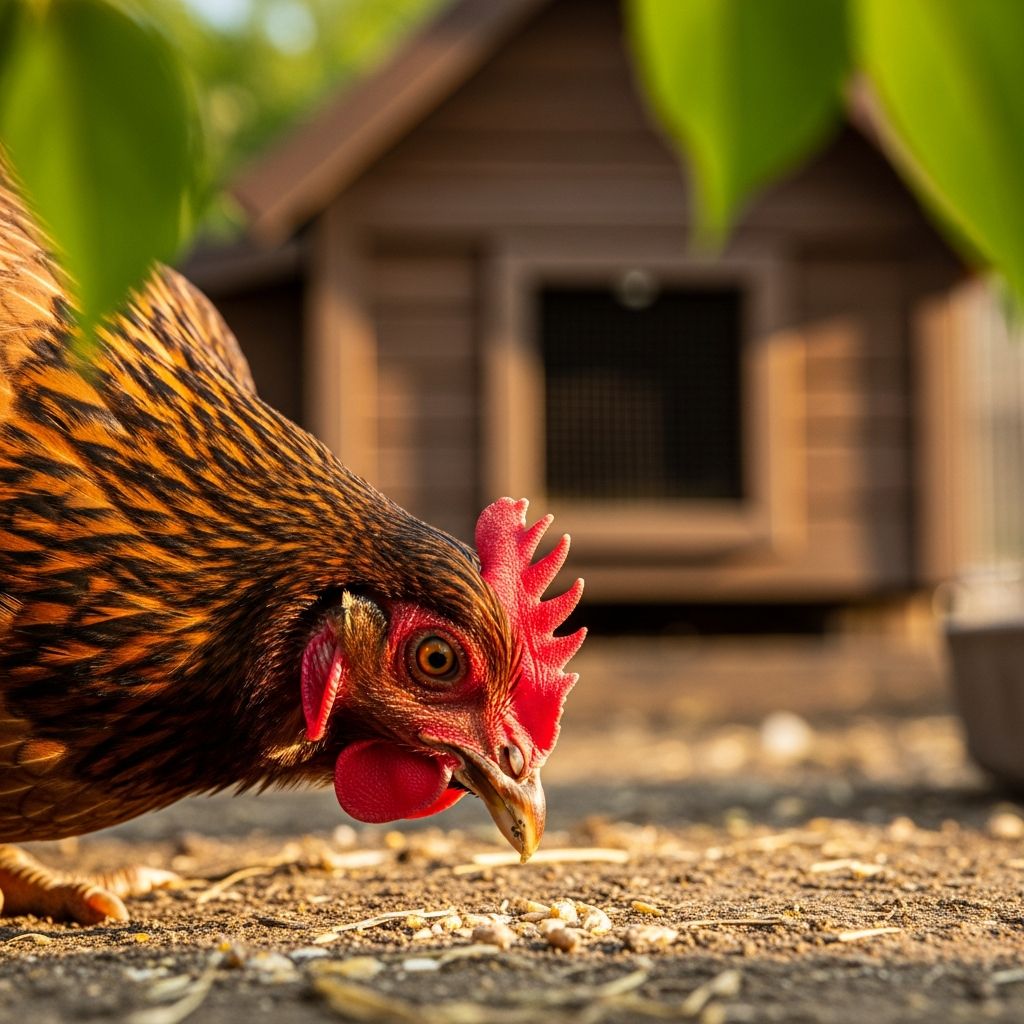
Raising backyard chickens offers fresh eggs, natural pest control, and composting benefits while promoting self-sufficiency. This guide covers everything from legal checks to daily care, drawing on proven practices for beginners.
Check Your Local Laws
Before starting, verify local ordinances on keeping chickens. Many urban and suburban areas permit small flocks but restrict roosters due to noise. Contact your city hall or homeowners association to confirm limits on flock size, typically 3-6 hens, and setback requirements from neighbors.
Decide How Many Chickens
Start with
3-6 hens
for beginners; chickens are social and thrive in small groups. Fewer birds simplify management, while more provide ample eggs. Consider space: aim for2-4 square feet per bird
in the coop to prevent pecking and stress.- 3 hens: Ideal for small yards, yielding 1-2 dozen eggs weekly.
- 6 hens: Better egg supply, but requires larger coop (e.g., 4×8 feet).
Choose Your Chickens
Select
egg-laying breeds
like Rhode Island Reds, Plymouth Rocks, or Leghorns for high production (250-300 eggs/year). Avoid roosters unless breeding. Buypullets
(16-20 weeks old) for immediate laying or chicks for rearing experience. Source from hatcheries or local farms for healthy stock.| Breed | Egg Production | Temperament | Size |
|---|---|---|---|
| Rhode Island Red | High (280/year) | Docile | Medium |
| Leghorn | Very High (300/year) | Active | Small |
| Plymouth Rock | Medium-High | Friendly | Large |
Provide Shelter
A secure
coop
protects from predators (hawks, foxes, raccoons) and weather. For chicks under 8 weeks, use abrooder
with heat lamp (95°F first week, reduce 5°F weekly). For adults (2+ months), build or buy a coop with3-4 sq ft/bird inside
, roosts (8-12 inches/bird), and nest boxes (1 per 4 hens).- Static Coop: Fixed, good for cold climates with deep litter for insulation.
- Mobile Coop: Movable for fresh foraging, prevents soil depletion.
Key features: predator-proof wire (1/2-inch hardware cloth), ventilation, sloped roof for rain runoff. Add run area (8-10 sq ft/bird) fenced with electric netting like Gallagher for safety.
Feed and Water
Provide
age-appropriate feed
: starter (0-8 weeks, 20% protein), grower (8-20 weeks), layer (16% protein post-lay). Supplement with kitchen scraps, greens, grit (sand/gravel for digestion), and oyster shells for calcium. Fresh water always; use nipple waterers to stay clean.- Free-range for insects, weeds: Boosts nutrition, reduces feed costs.
- Avoid: Toxic foods like avocado, chocolate, raw potato.
Daily: 1/4 lb feed/hen. Compost scraps turn manure into fertilizer.
Bedding and Cleaning
Use
deep litter method
: 6-12 inches pine shavings, straw, or leaves. Chickens scratch and compost droppings naturally, reducing odor. Turn weekly; refresh top layer. Clean nest boxes daily for hygiene. Dust bath area with diatomaceous earth controls mites.Predator Protection
Predators kill 80% of unprotected flocks. Secure coop: Lockable doors, buried apron wire (12 inches out/in), roof netting. Day: Supervised free-range or electric fencing. Night: All inside coop.
- Aerial: Hawks—cover run.
- Ground: Dogs, foxes—hardware cloth base.
Chicken Health
Healthy chickens are active, bright-eyed, with clean vents. Vaccinate chicks for Marek’s disease. Watch for mites (dust baths), coccidiosis (medicated feed first weeks). Isolate sick birds. Annual vet check optional for small flocks.
| Issue | Symptoms | Treatment |
|---|---|---|
| Mites/Lice | Feather loss, lethargy | Diatomaceous earth, permethrin |
| Coccidiosis | Bloody droppings | Medicated feed, electrolytes |
| Respiratory | Sneezing, bubbles | Isolate, antibiotics if bacterial |
Collecting Eggs
Hens lay 1/day in nest boxes. Collect twice daily to prevent broodiness/egg eating. Store at room temp (2-3 weeks) or fridge. Peak laying: 20-72 weeks, slows winter (add light 14 hours/day).
- Wash only if soiled; bloom protects naturally.
- Blue/green eggs from Araucanas.
Benefits of Backyard Chickens
Fresh Eggs: Nutritious, orange yolks from foraging.
Pest Control: Eat ticks, grubs.
Compost: Manure enriches soil.
Educational: Teaches kids sustainability.
Frequently Asked Questions (FAQs)
Q: How much space do chickens need?
A: 3-4 sq ft coop space + 8-10 sq ft run per bird to prevent stress and fighting.
Q: Do I need a rooster?
A: No, for eggs only. Roosters crow, fight, unnecessary unless hatching chicks.
Q: How to winterize the coop?
A: Deep litter for warmth, wind blocks, heated waterer. Hens tolerate cold if dry.
Q: Can chickens eat kitchen scraps?
A: Yes, veggies, grains, bread—but no salty/spicy/oniony foods. Limits: 10% diet.
Q: When do chicks start laying?
A: Pullets at 18-24 weeks; provide grower feed, 14-16 light hours.
Advanced Tips
Rotate pastures with mobile coops for parasite control. Breed for heritage traits. Sell excess eggs locally for income. Integrate with garden: Chickens till compost piles.
With proper setup, backyard chickens thrive for 5-8 years, providing years of benefits. Start small, observe, adjust for happy, productive flock.
References
- How to Raise Backyard Chickens — Art of Manliness. 2010-01-13. https://www.artofmanliness.com/skills/manly-know-how/how-to-raise-backyard-chickens/
- Beginner’s Guide to Backyard Chickens (And Happy Hens) — Lehman’s Blog. 2023-05-15. https://blog.lehmans.com/beginners-guide-to-backyard-chickens-and-happy-hens/
- Beginners Guide To Raising BACKYARD CHICKENS — Guildbrook Farm (YouTube). 2017-07-11. https://www.youtube.com/watch?v=RP4Eb_0hMOs
- Resilience: Raise Backyard Chickens — Weston A. Price Foundation. 2022-04-20. https://www.westonaprice.org/podcast/resilience-raise-backyard-chickens/
- Raising Chickens 101: Everything You Need to Know — Roots & Refuge. 2021-03-10. https://rootsandrefuge.com/raising-chickens-101-everything-you-need-to-know/
- How to Raise Backyard Chickens — Wise Bread. 2012-06-05. https://www.wisebread.com/how-to-raise-backyard-chickens
Similar Articles








Read full bio of medha deb