How to Protect Yourself from Gasoline Thieves
Discover proven strategies to safeguard your vehicle and fuel from thieves with practical tips for drivers, fleet owners, and station operators.
Gasoline theft has surged with rising fuel prices, targeting vehicles at gas stations, parking lots, and remote sites. Thieves employ methods like siphoning, pump fraud, and tampering with dispensers, costing individuals and businesses thousands annually. This comprehensive guide outlines practical defenses drawn from industry experts, empowering drivers, fleet managers, and station operators to secure their fuel supplies effectively.
Understanding Gasoline Theft Methods
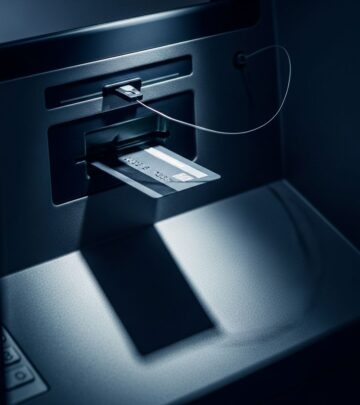
Gasoline thieves exploit vulnerabilities in vehicles and fueling infrastructure. Common tactics include siphoning fuel from tanks using hoses, drilling into fuel lines, manipulating gas pumps for free fuel, and using stolen fuel cards. At stations, criminals access dispenser cabinets to override controls or extract underground fuel. For personal vehicles, unattended cars in low-visibility areas are prime targets, especially overnight or in industrial zones. Recognizing these methods is the first step to prevention.
Secure Your Vehicle’s Fuel System
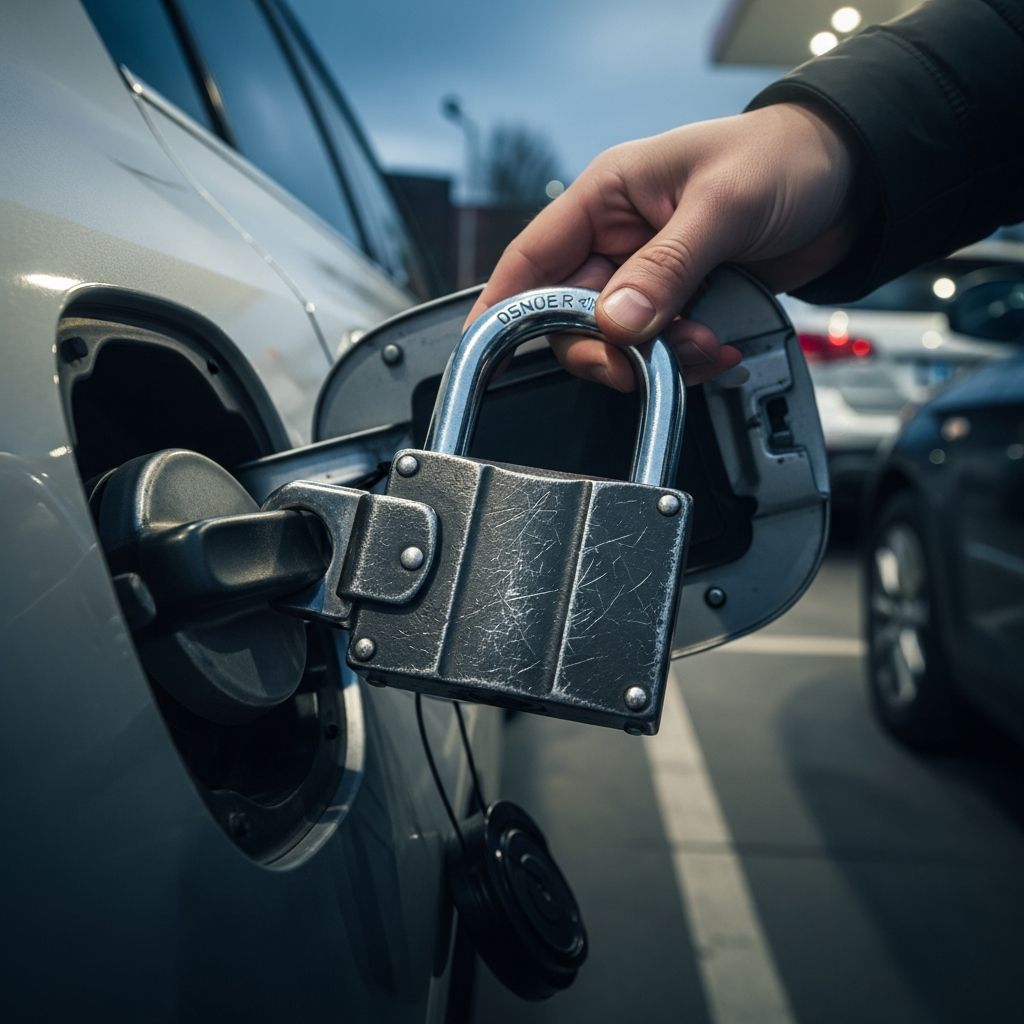
Fortify your car’s fuel access points to deter siphoning, the most prevalent theft method for individuals. Start with a locking gas cap or fuel door, which requires a key to open, adding a critical barrier. Anti-siphon valves are highly effective; these one-way devices allow fuel into the tank but block outflow via hoses, often featuring screens to prevent hose insertion.
- Locking Gas Cap: Inexpensive upgrade available at auto stores; ensures the tank filler neck remains inaccessible without the key.
- Anti-Siphon Valve: Installs in the fuel filler neck; fluids flow inward only, rendering traditional siphoning useless.
- Fuel Door Lock: Many modern vehicles have this; if absent, aftermarket kits provide keyed access.
These devices are simple to install and significantly reduce theft risk, as thieves prefer quick, low-effort targets.
Adopt Defensive Parking Habits
Parking strategy can make your vehicle an unappealing target. Position your car so the fuel tank faces a public street, busy walkway, or well-lit area with high foot traffic. This visibility discourages thieves who avoid witnesses.
| High-Risk Parking | Low-Risk Parking |
|---|---|
| Dark, isolated lots | Well-lit public streets |
| Consistent nightly spots | Varied, high-traffic areas |
| Fuel tank against walls | Tank facing open visibility |
Whenever possible, store vehicles in a private garage. Vary routines to avoid predictable patterns that thieves scout. For fleets, block tank access with barricades or position against secure walls.
Enhance Site and Station Security
For homes, businesses, or construction sites, perimeter defenses are essential. Erect tall fences with anti-climb designs, locked gates, and motion-sensor lights to illuminate potential theft spots. Electric fencing delivers non-lethal shocks and integrates with alarms for immediate deterrence.
- Secure fuel storage tanks and pumps with site-specific locks and serial-numbered security tape to detect tampering.
- Install visible CCTV cameras covering pumps, tanks, and parking; post signage and review footage daily.
- Light premises extensively, especially blind spots, fuel areas, and perimeters.
Gas stations should change manager PIN codes regularly, remove keypads when unattended, and use reinforced dispenser panels. Power off submerged turbine pumps during off-hours to prevent unauthorized dispensing.
Implement Surveillance and Monitoring
Active monitoring transforms passive security into proactive defense. Deploy video systems with remote access and motion alerts for real-time notifications. For stations, reconcile pump totals against station sales daily to spot discrepancies.
Alarms on fences, pumps, and tanks trigger sirens and alerts upon tampering. Unified systems from reputable providers integrate fencing, cameras, lights, and sensors for seamless operation. Fleet operators benefit from fuel card controls like SMS verification, hour limits, and spending audits to flag anomalies.
Educate and Train on Theft Prevention
Knowledge empowers prevention. Train drivers and employees on risks: safe parking, securing cards, spotting suspicious activity, and reporting anomalies. Establish fuel policies for businesses, including tracking and audits.
Regular site inspections reveal tampering signs like loose panels or stray wires. For fleets, audit statements for location mismatches or excess usage.
Advanced Technological Solutions
Leverage tech for layered protection. Fuel management systems automate monitoring and restrict access. Interactive video monitoring allows remote operators to intervene at stations. Anti-theft vehicle devices, combined with GPS tracking, enable rapid response.
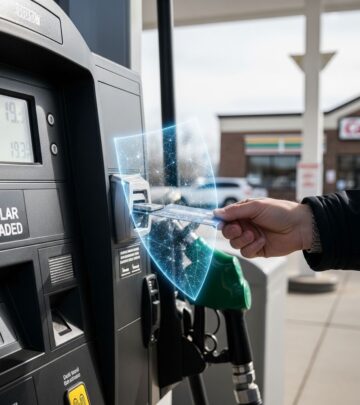
At pumps, disable hot-authorization on older POS systems and require POS integration for programming. These measures address both external thieves and internal fraud.
Frequently Asked Questions (FAQs)
What is the most effective way to prevent siphoning from my car?
Install an anti-siphon valve in the fuel filler neck, which blocks reverse flow and often includes a hose-deflecting screen.
Are locking gas caps worth the investment?
Yes, they provide a simple, low-cost first line of defense, forcing thieves to break or pick the lock, which takes time and risks detection.
How can gas stations detect pump tampering?
Use security tape, daily reconciliations of pump vs. station totals, and inspect for physical damage; change PIN codes periodically.
Does lighting really deter fuel thieves?
Absolutely; well-lit areas with motion sensors increase visibility, making thieves feel exposed and more likely to be identified.
What should fleets do about fuel card theft?
Implement SMS locks, purchase hour limits, driver education, and regular audits of transactions for suspicious patterns.
Conclusion: Layered Defense is Key
No single measure eliminates risk, but combining physical barriers, surveillance, education, and monitoring creates formidable protection. Implement these strategies to minimize losses, ensure peace of mind, and combat rising fuel theft effectively.
References
- 15 Ways to Prevent Gas Theft at Your Station — Gilbarco Veeder-Root. 2023-05-15. https://www.gilbarco.com/us/blog/15-ways-prevent-gas-theft-your-station
- How Can C-Stores Prevent and Respond to Fuel Theft? — U.S. Energy. 2024-02-20. https://www.us-energy.com/how-can-c-stores-prevent-and-respond-to-fuel-theft/
- How to Prevent Gas Theft: 7 Ways — AtoB. 2024-08-10. https://www.atob.com/blog/how-to-prevent-gas-theft-7-ways
- 5 Strategies to Protect Your Business from Fuel Theft — AMAROK. 2023-11-05. https://amarok.com/blog/5-ways-to-protect-yourself-from-fuel-theft/
- How to prevent gas theft from cars — Progressive Life Lanes. 2024-03-12. https://lifelanes.progressive.com/how-to-prevent-gas-theft/
Similar Articles








Read full bio of Sneha Tete