How to Protect Yourself From Credit Card Theft
Essential strategies to safeguard your credit cards from theft, fraud, and unauthorized use both online and offline.
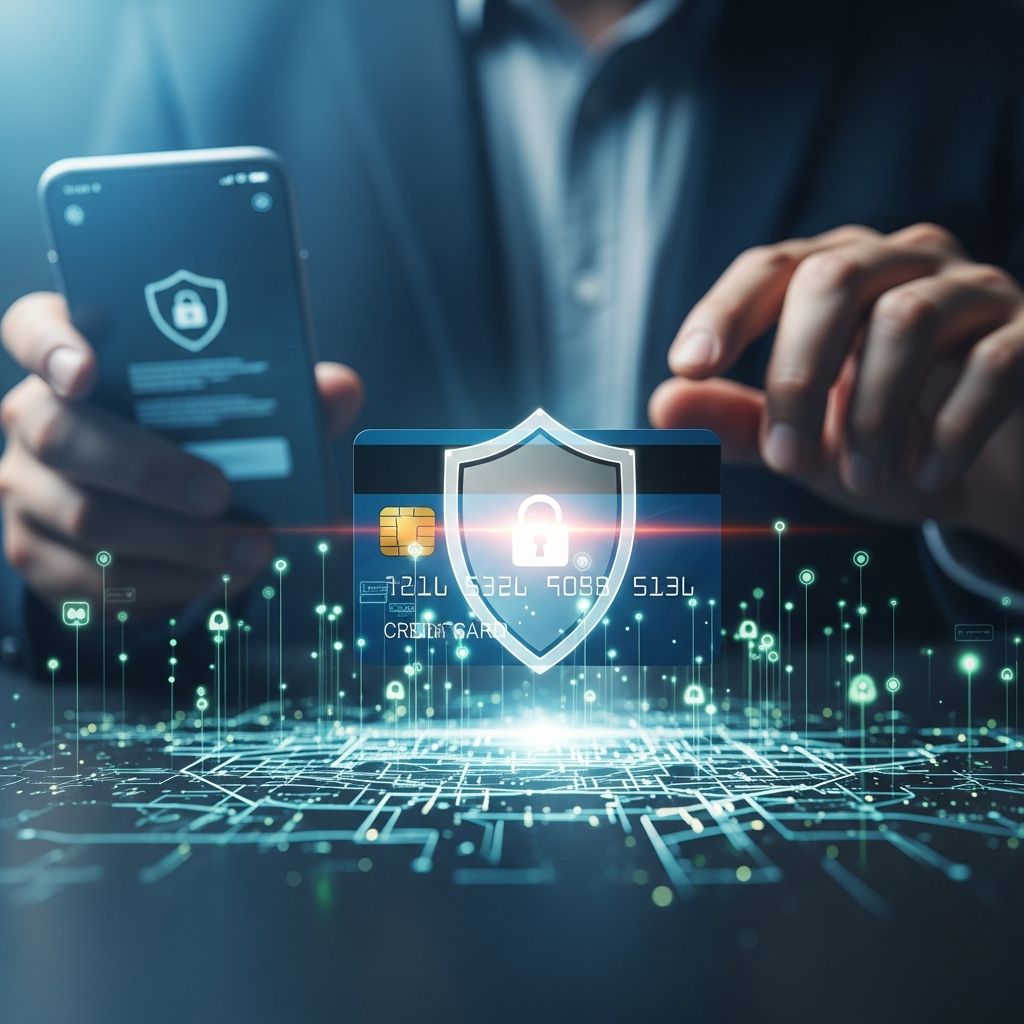
Credit card theft remains one of the most common financial crimes, with thieves employing sophisticated methods to steal card details both physically and digitally. In 2024 alone, the Federal Trade Commission reported over 1.1 million identity theft complaints, many involving credit card fraud. This article outlines comprehensive strategies to protect your cards, monitor for suspicious activity, and respond effectively if theft occurs. By implementing these measures, you can significantly reduce your risk and enjoy peace of mind.
Protecting Your Physical Credit Card
Physical theft of your credit or debit card is the most direct form of credit card theft. Thieves target wallets, purses, and unattended bags in public places. Preventing physical access to your card is the first line of defense.
- Minimize what you carry: Only carry one or two credit cards in your wallet, along with minimal cash. Leave additional cards in a secure location at home, such as a locked drawer or safe.
- Use RFID-blocking wallets: Modern credit cards often contain RFID chips that can be scanned remotely by thieves using portable readers. Invest in an RFID-blocking sleeve or wallet to prevent unauthorized scanning within a 10-15 foot radius.
- Never leave cards unattended: Avoid placing your wallet on restaurant tables, gym lockers, or shopping carts. Thieves frequently ‘bump’ into people to snatch unattended items.
- Secure your home: Store backup cards in a fireproof safe bolted to the floor. Use home security systems with cameras and alarms to deter burglars.
According to the U.S. Department of Justice, simple habits like these can prevent up to 80% of physical theft incidents.
Protecting Yourself from Skimming Devices
Skimmers are illegal devices attached to ATMs, gas pumps, and point-of-sale terminals to capture card data. They often pair with tiny cameras or keypad overlays to steal PINs.
- Inspect card readers: Tug on the card slot at ATMs and gas pumps. If it wiggles or feels loose, it may be a skimmer. Legitimate readers are flush and firmly attached.
- Use contactless payments: Tap-to-pay features on newer cards and phones generate dynamic codes that change per transaction, making stolen data useless.
- Prefer indoor ATMs: Bank-branch ATMs are less likely to be tampered with than outdoor ones. Opt for drive-thru if available.
- Cover the keypad: When entering your PIN, shield the keypad with your hand to block hidden cameras.
The FBI reports that skimming costs consumers $1 billion annually, but vigilance can neutralize this threat.
Online Protection: Guarding Against Digital Theft
Digital theft accounts for over 70% of credit card fraud today, primarily through phishing, malware, and data breaches. Securing your online habits is crucial.
- Shop only on HTTPS sites: Verify the padlock icon and ‘https://’ in the URL before entering card details. Avoid sites with spelling errors or unsolicited emails.
- Use virtual card numbers: Services like Privacy.com or bank-issued virtual cards generate single-use numbers for online purchases, protecting your real card.
- Enable two-factor authentication (2FA): Activate 2FA on all financial accounts. This requires a code sent to your phone or app in addition to your password.
- Avoid public Wi-Fi for transactions: Use a VPN or mobile hotspot for banking and shopping to encrypt your data.
- Install antivirus software: Use reputable tools like those from Norton or Malwarebytes to detect keyloggers and phishing attempts.
Cybersecurity firm Norton notes that phishing attacks rose 61% in 2024, underscoring the need for these precautions.
Monitoring Your Accounts Vigilantly
Regular monitoring catches fraud early, limiting damage. Under federal law, you’re liable for up to $50 if you report unauthorized charges within 60 days.
- Review statements daily: Use mobile apps from issuers like Chase or Capital One for real-time alerts on every transaction.
- Set up transaction alerts: Get texts or emails for purchases over $1, out-of-state activity, or international use.
- Check free credit reports weekly: Visit AnnualCreditReport.com for free weekly reports from Equifax, Experian, and TransUnion.
- Use credit monitoring services: Free tools like Credit Karma provide score tracking and fraud alerts.
| Method | Frequency | Cost | Best For |
|---|---|---|---|
| Bank Apps | Daily | Free | Real-time transaction alerts |
| Credit Reports | Weekly | Free | New accounts detection |
| Paid Monitors (e.g., myFICO) | Daily | $20-30/month | Score changes and deep scans |
Proactive monitoring saved users from millions in fraud, as noted in Wise Bread reader experiences.
Travel Smart: Notify and Secure While Away
Travel increases fraud risk due to location changes triggering alerts.
- Alert your issuer: Call before trips to whitelist destinations, avoiding frozen cards.
- Carry minimal cards: Use traveler’s checks or prepaid cards for small expenses.
- Separate storage: Keep one card in your hotel safe, another on your person.
What to Do If Your Card Is Stolen
Act fast: You’re not liable for unauthorized charges if reported promptly.
- Call the issuer immediately: U.S. numbers are on the back; have it memorized or saved.
- Lock the card via app: Most apps allow instant temporary locks.
- File a police report: Required for disputes over $50.
- Place fraud alert: Contact Equifax (1-888-836-6351) for 1-year protection across bureaus.
- Monitor all accounts: Change passwords and enable credit freezes.
The Fair Credit Billing Act caps liability at $50.
Advanced Protections: Freezes and Insurance
For ultimate security:
- Credit freeze: Free at all three bureaus; blocks new accounts.
- Identity theft insurance: Many cards include up to $1M coverage.
Frequently Asked Questions (FAQs)
Q: How quickly must I report a stolen card?
A: Immediately for zero liability; within 60 days max to limit to $50.
Q: Are debit cards as safe as credit cards?
A: No—funds are directly withdrawn. Use credit for protection.
Q: What if fraud is online only?
A: Same process: report, dispute charges, monitor credit.
Q: Can I prevent all theft?
A: No method is 100%, but layers reduce risk dramatically.
Conclusion: Empower Yourself Against Theft
By combining physical safeguards, digital hygiene, vigilant monitoring, and swift response, you can thwart most credit card theft attempts. Stay informed on evolving threats and review protections annually.
References
- Recent comments on Wise Bread — Wise Bread. 2009-10-01. https://www.wisebread.com/comments/moneycenter.yodlee.com?page=3448
- 7 Free and Low Cost Ways to Protect Your Credit — Wise Bread. 2023-05-15. https://www.wisebread.com/7-free-and-low-cost-ways-to-protect-your-credit
- How to Protect Yourself From Credit Card Theft — Wise Bread. 2009-09-20. https://www.wisebread.com/how-to-protect-yourself-from-credit-card-theft
- Credit Cards Topic Page — Wise Bread. 2024-01-10. https://www.wisebread.com/topic/personal-finance/credit-cards?page=7
- Consumer Sentinel Network Data Book — Federal Trade Commission (ftc.gov). 2024-02-01. https://www.ftc.gov/reports/consumer-sentinel-network-data-book-2024
Similar Articles








Read full bio of Sneha Tete