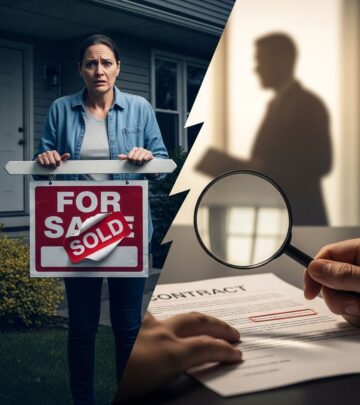
How to Protect Yourself from a Home Improvement Scam
Learn essential strategies to spot, avoid, and recover from home improvement scams that target homeowners seeking repairs.
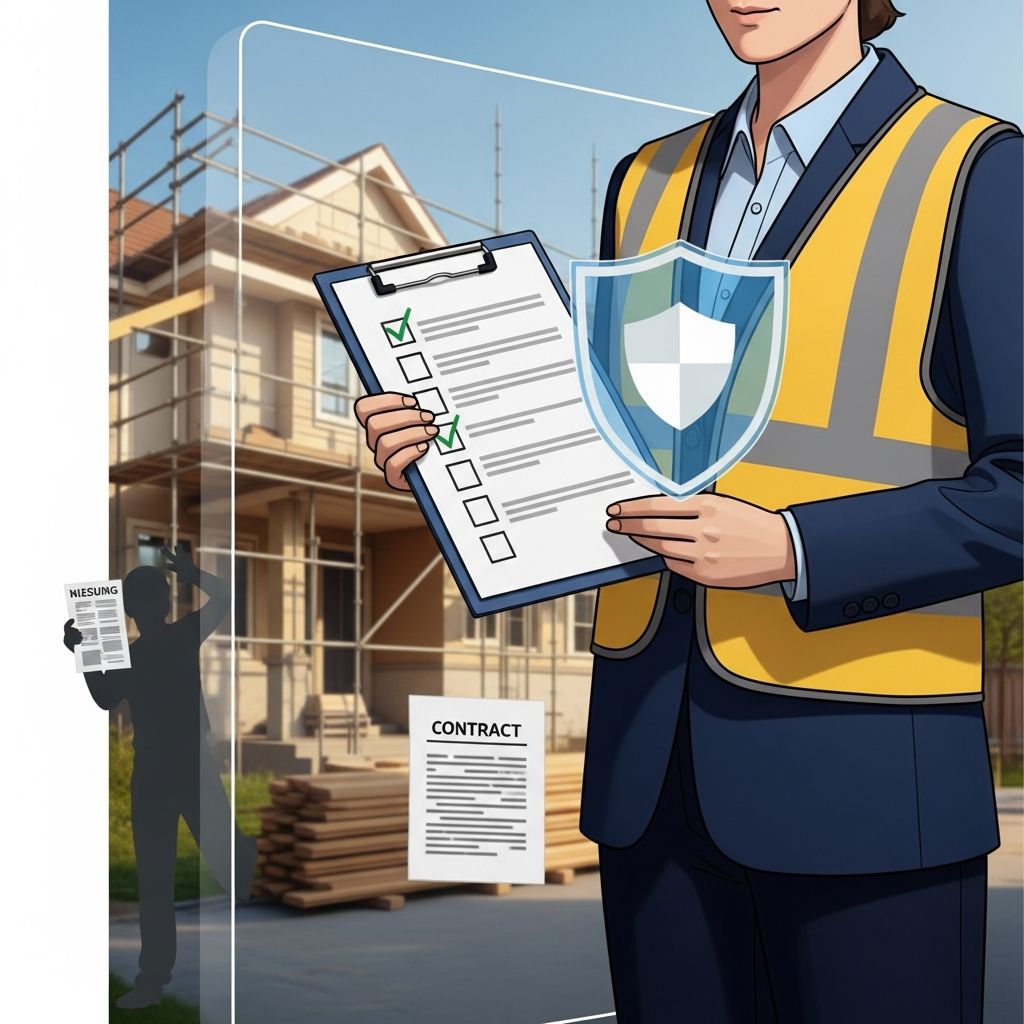
Home improvement scams are a pervasive threat to homeowners, often exploiting trust during vulnerable moments like storm damage or routine repairs. These frauds can cost victims thousands, leaving shoddy work or nothing at all. This guide outlines common tactics, warning signs, verification methods, contract best practices, and recovery steps to safeguard your finances and property.
Common Types of Home Improvement Scams
Scammers frequently pose as contractors, targeting neighborhoods after storms or during peak renovation seasons. Understanding their playbook is the first line of defense.
- Door-to-Door Scams: Fraudsters knock claiming leftover materials from nearby jobs, offering steep discounts or free work. They push for immediate signatures and full upfront payments, then vanish after collecting cash.
- High-Pressure Sales Tactics: Posing urgency with ‘limited-time deals’ or fabricated emergencies like ‘imminent roof collapse,’ they demand on-the-spot contracts hiding fees or undeliverable promises.
- “As Seen on TV” or Fake Endorsement Scams: Claiming celebrity or media backing for inferior products at inflated prices. Verification reveals no such endorsements, and quality disappoints.
- Insurance Fraud Scams: Promising to maximize insurance claims for unneeded work, committing fraud that risks fines and policy cancellation for homeowners.
- Upfront Payment Demands: Insisting on full or large deposits for ‘materials,’ only to disappear. Legitimate pros tie payments to milestones.
These scams thrive on emotion and haste, striking post-disaster when homeowners feel desperate.
Red Flags to Watch For
Spotting warning signs early prevents fallout. Be vigilant for these indicators during contractor interactions.
- No verifiable local address or only a cell number, lacking a fixed business presence.
- Demanding full payment upfront instead of phased deposits.
- Refusing detailed written estimates, avoiding accountability.
- Lacking proper licensing or insurance proof.
- Using high-pressure tactics like ‘sign now or lose the deal.’
Additional clues include vague online presences with patterned complaints or no in-person meetings. Always trust your instincts—if it feels off, walk away.
Verify Contractor Credentials Before Hiring
Due diligence separates pros from predators. Follow these steps to confirm legitimacy.
| Verification Step | How to Do It | Why It Matters |
|---|---|---|
| Check State Licensing | Use state contractor boards or NCSL database | Ensures qualifications and protects from unlicensed work |
| Request Insurance Proof | Demand Certificate of Insurance for liability and workers’ comp | Shields you from injury or damage liabilities |
| Review BBB Profile | Examine ratings and complaints | Reveals reliability and dispute history |
| Confirm Business Registration | Search state Secretary of State records | Verifies legal operation status |
| Get References | Contact recent clients | Provides real-world feedback |
Never hire on the spot. Multiple bids from verified sources ensure fair pricing and quality.
Essential Elements of a Home Repair Contract
A ironclad contract is your shield. Demand these components in writing.
- Detailed Scope of Work: Exhaustive description of tasks, no ambiguities.
- Materials Specs and Costs: Brands, types, quantities, and prices listed explicitly.
- Timeline and Payment Schedule: Start/end dates with payments linked to milestones, not upfront full sums.
- Warranty Details: Coverage scope, duration, and claim process.
- Change Order Process: Formal approval for any alterations.
- Lien Waivers: Contractor agrees no liens post-payment.
- Cancellation Policy: Clear terms for backing out.
Avoid verbal agreements or cash payments. Review thoroughly before signing.
What to Do If You’ve Been Scammed
Act swiftly to minimize damage. Document everything: contracts, payments, communications, photos.
- Contact Your Bank/Credit Card: Dispute charges immediately for potential reversals.
- File Police Report: Creates official record aiding further actions.
- Report to State AG/Consumer Affairs: Triggers investigations and guidance.
- Notify BBB: Builds public record, may mediate.
- Inform Insurance Provider: Seeks advice on impacts to claims.
Consult professionals; insurers like Hippo note they don’t provide legal advice but urge authority contact. Persistence recovers funds in many cases.
Prevention Checklist
Arm yourself with this routine to stay scam-proof.
- Get multiple written bids.
- Verify licenses/insurance/references.
- Never pay full upfront.
- Read contracts fully.
- Report suspicious activity.
- Research reviews across platforms.
Post-disaster, wait for official inspections before repairs.
Frequently Asked Questions (FAQs)
Q: Can I trust door-to-door contractors?
A: No—always verify credentials independently. They often use urgency to bypass checks.
Q: What if a contractor demands cash?
A: Decline; it enables untraceable fraud. Use checks or cards for records.
Q: How do I check insurance?
A: Request a Certificate of Insurance naming you as certificate holder.
Q: Is it okay to sign quickly for a ‘deal’?
A: Never; pressure indicates scams. Take time for due diligence.
Q: What about insurance-covered repairs?
A: Verify coverage directly with your insurer first to avoid fraud.
By mastering these strategies, homeowners reclaim control. Vigilance turns potential victims into informed decision-makers, preserving homes and savings.
References
- Confronting Home Repair Scams: Experts Weigh In on How To… — Hippo Insurance Services. 2023-10-15. https://www.hippo.com/blog/home-repair-scams
- Home Improvement Scams and How to Protect Yourself — Directions Credit Union. 2025-04-17. https://directionscu.org/2025/04/17/home-improvement-scams-and-how-to-protect-yourself/
- Home Improvement Scams: Tools to Reduce Your Risk — USAging. 2024-01-01. https://www.usaging.org/Files/N4a-HI-Scams-brochure-access.pdf
- The Scam Survival Guide: How to Spot Trouble and What to Do… — TrustDale. 2024-05-20. https://trustdale.com/blog/the-scam-survival-guide-how-to-spot-trouble-and-what-to-do-about-it
- Tips to Avoid Home Improvement Scams — APCI Federal Credit Union. 2024-03-10. https://www.apcifcu.org/blog/tips-to-avoid-home-improvement-scams
- Expert advice for preventing home improvement fraud — Floods.org. 2023-11-05. https://www.floods.org/news-views/expert-advice-for-preventing-home-improvement-fraud/
Similar Articles








Read full bio of medha deb