How To Clean 14 Kitchen Tools And Appliances Naturally
Discover effective natural cleaning methods for 14 essential kitchen tools and appliances to keep your space spotless without harsh chemicals.

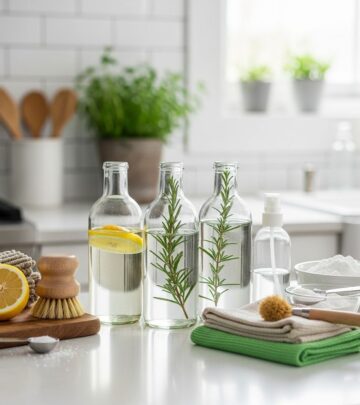
Keeping your kitchen clean is essential for hygiene, food safety, and extending the life of your tools and appliances. Harsh chemical cleaners can leave residues, harm your health, and damage surfaces. Instead, turn to
natural ingredients
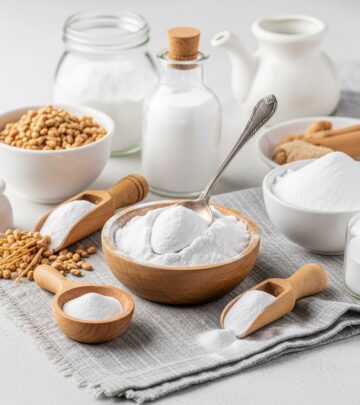
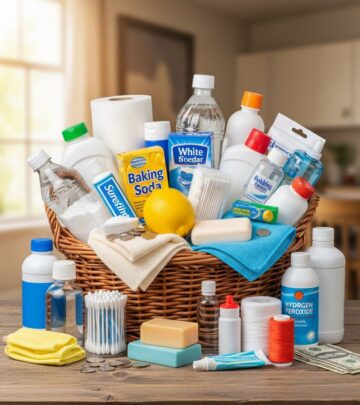
like white vinegar, baking soda, lemons, and salt. These pantry staples are affordable, effective, and environmentally friendly. This guide covers 14 common kitchen items with step-by-step methods to achieve professional results at home.Why go natural? Vinegar’s acidity dissolves mineral deposits and kills bacteria, while baking soda’s abrasiveness tackles grime without scratching. Lemons provide citric acid and fresh scent, and salt acts as a gentle scrub. These methods reduce waste, save money, and avoid toxic fumes.
1. Cutting Boards
Wooden or plastic cutting boards harbor bacteria in grooves.
Natural clean:
Sprinkle coarse salt over the board, then rub with half a lemon’s cut side for 5 minutes. The salt scrubs, lemon disinfects. Rinse with hot soapy water and air dry upright. For deep clean, soak in a 1:1 vinegar-water solution overnight. Repeat weekly to prevent odors and cracks.- Avoid soaking wood long-term to prevent warping.
- Sanitize after raw meat: Spray with undiluted vinegar.
This method removes stains from fruits and kills 99% of bacteria naturally.
2. Cast Iron Skillets
Cast iron requires care to maintain seasoning.
Natural clean:
Wipe hot pan with paper towel after use. For stuck food, cover with coarse salt and scrub with a chainmail scrubber or crumpled foil. Rinse with hot water—no soap. Dry immediately over low heat, then rub with thin oil layer. Store in dry place.- Never use dishwasher; it strips seasoning.
- Rusty? Scrub rust with salt-lemon paste, re-season in oven at 450°F for 1 hour.
Proper care prevents rust and ensures non-stick surface lasts decades.
3. Stainless Steel Sinks
Water spots and fingerprints plague stainless sinks.
Natural clean:
Mix baking soda with dish soap into paste. Apply, scrub with soft sponge in circular motions. Rinse, then shine with vinegar-damp cloth. For hard water stains, soak paper towels in vinegar, lay over stains for 15 minutes, wipe away.- Prevent streaks: Dry after each use.
- Polish with olive oil for extra shine.
This restores luster without scratches.
4. Microwaves
Food splatters build up inside microwaves.
Natural clean:
Fill microwave-safe bowl with 1 cup vinegar and 1 cup water. Microwave on high 5 minutes—steam loosens grime. Let sit 5 minutes, wipe with damp cloth. Lemon slices in water add fresh scent.- Clean turntable separately in dishwasher.
- Repeat monthly for odor control.
Steam method softens residue effortlessly.
5. Blenders
Blender blades trap sticky residues.
Natural clean:
Add hot water, 2 tbsp baking soda, 1/2 lemon juice. Blend 30 seconds. Rinse thoroughly. For base, wipe with vinegar-damp cloth. Disassemble and soak stubborn parts in vinegar.- Avoid dishwashers for rubber seals.
- Dry fully to prevent mold.
Self-cleaning saves disassembly time.
6. Coffee Makers
Mineral buildup affects coffee taste.
Natural clean:
Fill reservoir with equal vinegar-water. Run brew cycle, discard. Rinse with water cycles. Wipe exterior with baking soda paste.- Descale monthly if hard water.
- Use lemon juice alternative for scent.
Restores flow and flavor.
7. Ovens
Greasy oven interiors are tough.
Natural clean:
Spray vinegar inside (cold oven). Sprinkle baking soda, let sit overnight. Scrub with damp sponge. For door glass, vinegar-soaked towel for 30 minutes, then scrape.- Avoid self-clean if heavy buildup.
- Ventilate during process.
Baking soda neutralizes grease effectively.
8. Refrigerators
Spills and odors accumulate.
Natural clean:
Empty shelves, wipe with baking soda-vinegar solution. Place open baking soda box inside for odors. Clean coils with brush and vacuum for efficiency.- Check seals with dollar bill test.
- Charcoal briquettes absorb smells.
Prevents bacterial growth.
9. Dish Racks
Rust and grime form on dish racks.
Natural clean:
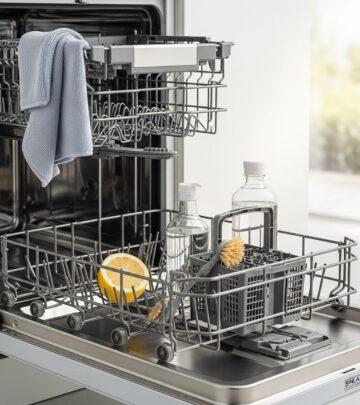
Soak in hot vinegar-water 1 hour. Scrub with baking soda. Dry completely, apply thin vegetable oil to prevent rust.- Remove trays for thorough clean.
- Air dry in sun for sterilization.
Extends rack life.
10. Garbage Disposals
Odors and clogs plague disposals.
Natural clean:
Freeze vinegar-lemon rinds ice cubes, grind to scrub and freshen. Pour baking soda followed by hot vinegar for fizzing clean. Run lemon peels weekly.- Never use chemical drain cleaners.
- Grind citrus monthly.
Deodorizes naturally.
11. Wooden Spoons
Stains embed in wood.
Natural clean:
Boil in water-vinegar solution 5 minutes. Scrub with salt. Air dry, rub with mineral oil monthly.- Rotate spoons to even wear.
- Avoid soaking prolonged.
Maintains wood integrity.
12. Knives
Dull blades from dishwasher.
Natural clean:
Hand wash immediately after use with hot soapy water. Dry fully. Hone regularly with steel or stone.- Store in block, not drawer.
- Lemon-salt paste for stains.
Preserves sharpness.
13. Toasters
Crumbs and burnt bits build up.
Natural clean:
Unplug, shake out crumbs. Wipe slots with vinegar-damp bread slice. Clean tray with baking soda paste.- Never submerge.
- Vacuum exterior gently.
Prevents fires.
14. Spice Jars
Oily residues clog grinders.
Natural clean:
Soak removable parts in vinegar. Scrub with rice or dry beans inside, shake vigorously. Wipe rims with lemon.- Label with dates.
- Store dry.
Keeps spices fresh.
General Kitchen Cleaning Tips
Incorporate these habits: Wipe counters after cooking, use microfiber cloths over paper towels, and create all-purpose spray (vinegar, water, essential oil). Deep clean weekly.
| Ingredient | Best Uses | Why It Works |
|---|---|---|
| Vinegar | Descaling, disinfecting | 5% acidity dissolves minerals, kills germs |
| Baking Soda | Scrubbing, deodorizing | Mild abrasive, neutralizes acids |
| Lemon | Stain removal, polishing | Citric acid cuts grease, antibacterial |
| Salt | Abrading tough spots | Coarse texture scrubs without damage |
Frequently Asked Questions (FAQs)
Q: Is vinegar safe on all kitchen surfaces?
A: Yes for most, but test on granite/marble as acidity may etch. Dilute for sensitive areas.
Q: How often should I deep clean appliances?
A: Monthly for microwaves/coffee makers, quarterly for ovens/fridges.
Q: Can I use these methods on non-stick pans?
A: Gently—skip abrasives like salt; use vinegar soak.
Q: Do natural cleaners kill all bacteria?
A: Vinegar eliminates 99% common germs; combine with hot water for best results.
Q: What’s the best way to store cleaning supplies?
A: In a caddy with vinegar, baking soda, spray bottles for convenience.
References
- Give Household Products New Use: Clever Cleaning Tips — Wise Bread. 2008-01-01. https://www.wisebread.com/give-household-products-new-use-clever-cleaning-tips-from-the-motherland
- Best Money Tips: How to Avoid the Worst Kitchen-Cleaning Mistakes — Wise Bread. 2020-01-01. https://www.wisebread.com/best-money-tips-how-to-avoid-the-worst-kitchen-cleaning-mistakes
- 10 Tricks to Keeping Your Kitchen Clean While You Cook — Wise Bread. 2010-01-01. https://www.wisebread.com/10-tricks-to-keeping-your-kitchen-clean-while-you-cook
- Get Your Home Cleaner Than a Pro Can and Save Big — Wise Bread. 2015-01-01. https://www.wisebread.com/get-your-home-cleaner-than-a-pro-can-and-save-big
Similar Articles








Read full bio of Sneha Tete