How to Prevent a Drunken Online Shopping Spree
Practical strategies to stop impulse buys while intoxicated and protect your wallet from alcohol-fueled spending regrets.
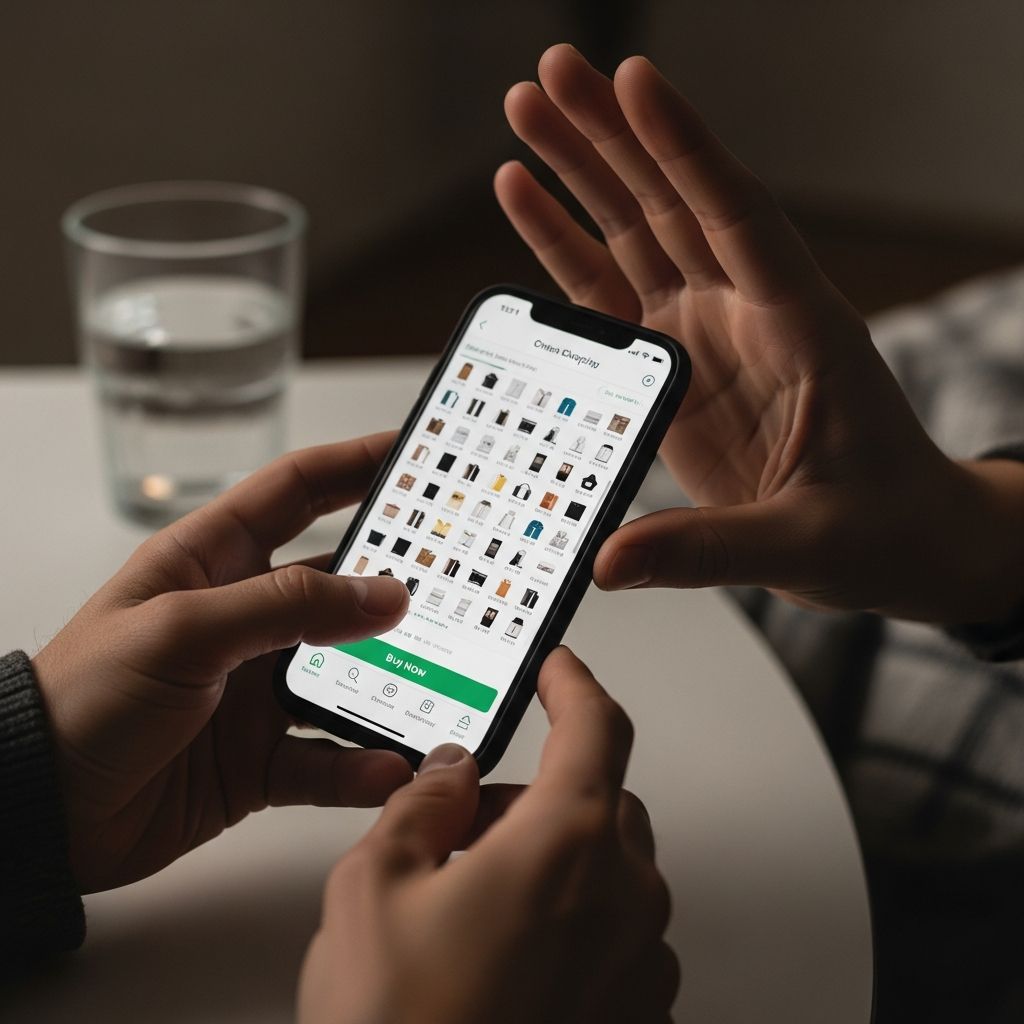
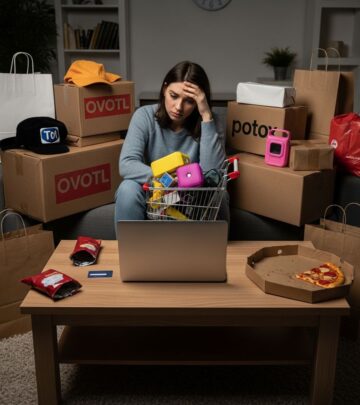
Online shopping has revolutionized convenience, but it also enables impulsive purchases, especially when combined with alcohol. A night of drinking can lead to regrettable buys like unnecessary gadgets or clothes, contributing to high return rates for retailers—often exceeding 30% for intoxicated transactions. Research shows hazardous alcohol patterns, impulsivity, and compulsive buying predict frequent drunk online shopping, amplifying financial and emotional stress. This article explores practical, research-backed strategies to curb this habit, mirroring proven personal finance advice while incorporating legal insights and behavioral science.
Understand the Risks of Drunk Shopping
Alcohol impairs judgment, lowering inhibitions and boosting impulsivity, which online platforms exploit with one-click buys and personalized recommendations. Studies confirm that moderate intoxication links to problematic shopping via hazardous drinking habits, while heavy intoxication adds compulsivity as a predictor. Legally, EU directives grant a 14-day cooling-off period for returns without justification, regardless of sobriety—though proving intoxication for immediate voids is challenging, especially for digital goods like streaming services. Offline, sellers can observe behavior; online, no sobriety checks are mandated, leaving consumers vulnerable.
Financially, these sprees drain budgets and increase debt. Emotionally, they stem from using shopping to alleviate negative moods during intoxication. Preventing them requires proactive barriers, mindset shifts, and tech tools.
Set App Limits and Time Restrictions
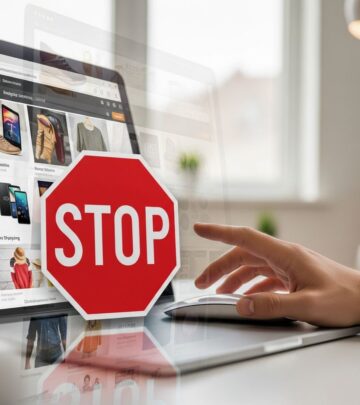
The easiest first step is restricting access to shopping apps during vulnerable hours. Use built-in phone features like Screen Time (iOS) or Digital Wellbeing (Android) to block apps like Amazon, eBay, or Shopify stores from 10 PM to 8 AM—prime drinking times.
- Schedule blocks: Set daily limits of 15 minutes for shopping apps, pausing after happy hour.
- Weekend lockdowns: Fully disable during nights out to avoid post-bar browsing.
- Guest mode: Log out and use guest profiles without saved payment info.
These mimic offline barriers, reducing temptation as effectively as deleting apps entirely.
Implement a Sobriety Check Before Checkout
Introduce friction with a sobriety test. Apps like ‘Drunk Mode’ or browser extensions prompt breathalyzer simulations or cognitive quizzes (e.g., solve puzzles or recite numbers backward) before finalizing purchases.
- Fail the test? Transaction delays 24 hours.
- Success? Proceed, building accountability.
While not legally required, platforms could infer intoxication from late-night patterns or erratic behavior via data analytics, freezing carts overnight. Individually, pair this with a ‘friend veto’—text a sober buddy for approval on big buys.
Remove Saved Payment Information
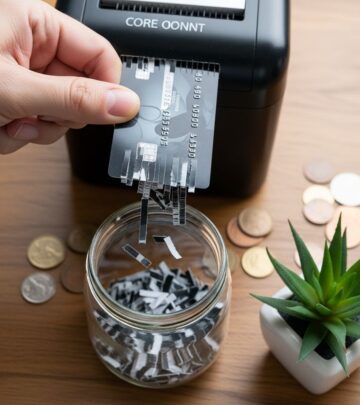
One-click purchasing fuels sprees by minimizing effort. Delete credit cards, PayPal, and Apple Pay from all accounts.
| Platform | Steps to Remove | Benefit |
|---|---|---|
| Amazon | Accounts & Lists > Payment options > Delete | Forces re-entry, often sobering the impulse |
| eBay | Account > Payments > Edit > Remove | Breaks checkout flow |
| General Sites | Wallet settings > Clear all | Requires manual input each time |
This creates a natural pause, leveraging the ‘cooling-off’ many abandon post-sobriety.
Use Cash-Only Budgeting for Fun Money
Allocate weekly ‘fun cash’—say, $50—in physical bills for non-essentials. No digital spending beyond this.
- Envelope system: Separate cash for entertainment; online buys only if withdrawn first.
- Prepaid cards: Load limited amounts for online use, discarding after depletion.
- Track weekly: Log spends to visualize alcohol-shopping links.
This caps losses, as cash depletion feels more tangible than abstract card swipes.
Create a 24-Hour Waiting Period Rule
Mandate a full day delay for non-essential purchases. Add items to cart or wishlist, then revisit sober.
Research supports this: Waiting periods combat impulsivity, especially when triggered by emotional states like boredom or stress during drinking. Tools like ‘Honey’ or ‘Capital One Shopping’ extensions can auto-remind after 24 hours.
- Email confirmation: Set rules to flag ‘review tomorrow’ on receipts.
- Calendar alerts: Schedule cart checks for morning.
Unsubscribe from Marketing Emails and Notifications
Retailers bombard with deals during evenings. Unsubscribe via site footers or tools like Unroll.Me.
- Turn off push notifications entirely.
- Use ad blockers like uBlock Origin for temptation-free browsing.
- Avoid social media shopping features (e.g., Instagram Shop).
This reduces cues that weaken self-control, per studies on hedonic online triggers.
Address Underlying Triggers and Habits
Drunk shopping often masks deeper issues like stress or loneliness. Identify patterns:
| Trigger | Alcohol Link | Alternative |
|---|---|---|
| Boredom post-drinks | Scrolls to shopping | Read a book or journal |
| Social media FOMO | Late-night deals | Mute accounts at 9 PM |
| Emotional low | Retail therapy | Call a friend or meditate |
Mindfulness practices build impulse resistance. For hazardous drinking, electronic screening tools (e-SBI) via apps identify risky patterns and suggest cutbacks.
Leverage Accountability and Support
Share goals with a trusted friend for check-ins. Apps like StickK let you bet money on sobriety from sprees.
- Family budget reviews weekly.
- Join forums like Reddit’s r/Frugal for tips.
- Seek professional help via SAMHSA’s 24/7 helpline for addiction overlaps.
Tech Solutions and Future Prevention
Emerging tech includes AI detecting intoxication from typing speed or session timing, prompting delays. Browser extensions like ‘Icebox’ lock tabs for days. Platforms may adopt voluntary sobriety nudges to cut returns.
Frequently Asked Questions (FAQs)
Q: Can I legally cancel a drunk online purchase immediately?
A: EU/Portuguese law offers 14 days for any reason, but immediate voids require proving noticeable intoxication—hard online. Use cooling-off for regrets.
Q: What if drunk shopping feels addictive?
A: It links to impulsivity and compulsivity; delete apps, set budgets, seek therapy. Track triggers like stress.
Q: How effective are app blockers?
A: Highly, as they replicate offline barriers, reducing access during impaired states.
Q: Should retailers check sobriety?
A: Not required, but possible via observation offline or data online; could lower 30%+ returns.
Q: What’s the best first step?
A: Remove saved payments and set nighttime app limits for instant impact.
References
- Online Shopping Under the Influence of Alcohol: The Legal Perspective — WhatNext.law. 2021-12-22. https://whatnext.law/en/2021/12/22/online-shopping-under-the-influence-of-alcohol-the-legal-perspective-en/
- Purchasing Under the Influence of Alcohol: The Impact of Hazardous Patterns — PMC (NCBI). 2024. https://pmc.ncbi.nlm.nih.gov/articles/PMC11894914/
- Online Shopping Addiction: Causes & 12 Key Tips to Stop — Allen Carr. Accessed 2026. https://www.allencarr.com/how-to-get-out-of-debt/online-shopping-addiction/
- Preventing Excessive Alcohol Use with Proven Strategies — CDC (Centers for Disease Control and Prevention). 2025-01-10. https://www.cdc.gov/alcohol/prevention/proven-strategies.html
- National Helpline for Mental Health, Drug, Alcohol Issues — SAMHSA (Substance Abuse and Mental Health Services Administration). Accessed 2026. https://www.samhsa.gov/find-help/helplines/national-helpline
Similar Articles








Read full bio of Sneha Tete